
Camaraderie Before Curtain


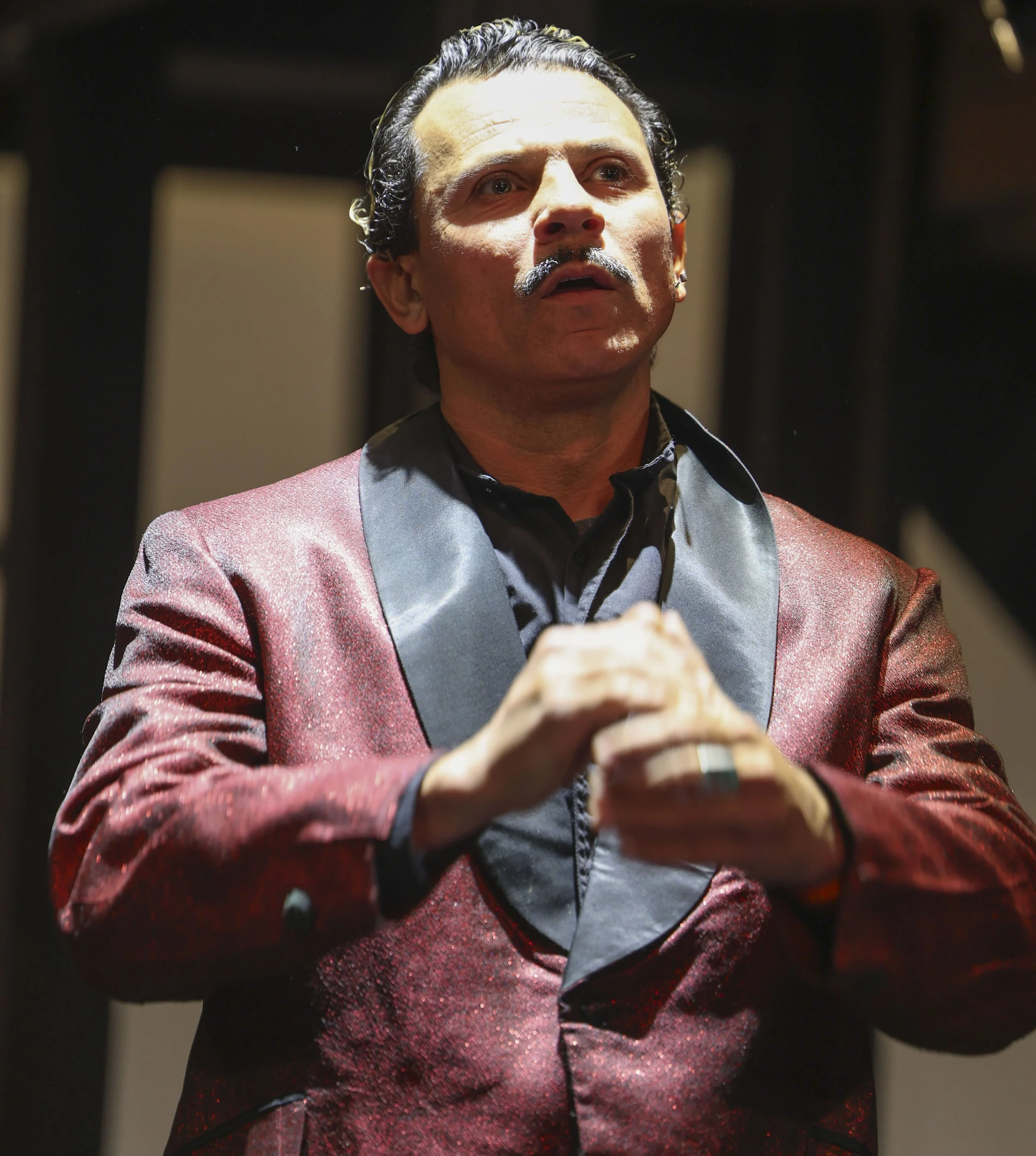
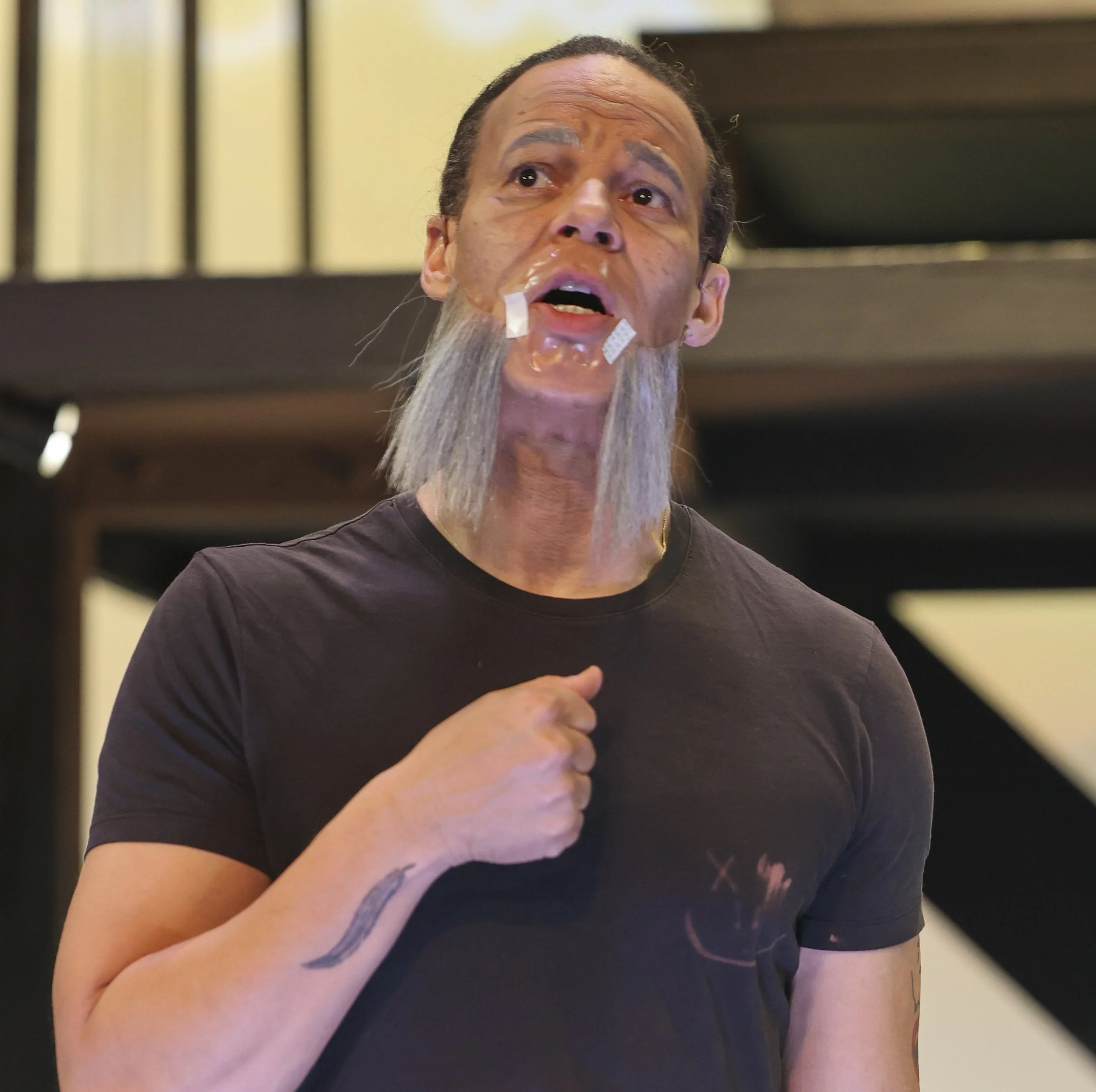

On the evening of Nov. 19, 2025, the Santa Monica College (SMC) Theatre Arts Complex Main Stage filled with electric anticipation as the cast of “Angels in America, Part Two: Perestroika” held their full dress rehearsal. The Tony Award–winning play by Tony Kushner, directed by Dr. Adrianne Harrop.
In the dressing rooms and on the stage, there was a controlled chaos. Actors chatted in costume, applied final makeup touches and paced around. As the lights came up and the actors began their run, the power of the play’s themes– the politics, personal struggles and the sense of community– was apparent
For Harrop, this production carries emotional weight. She shared that she lost her home twice — first in 1993 and again this year in the Palisades fire. “I went through it twice. I just want to say the cast and my stage manager have helped me so much because it was hard for me. Trying to rebuild, but not being able to rebuild,” she said, her voice cracking.
In that moment, the theatre became more than a venue; it was a chosen family. “They are just there for me,” Harrop said.
Adji Sarmonto, who plays several roles including Mr. Lies, the Father and Angel Australia, emphasized how the crew has faced adversity."Every decade, we have a crisis.” Sarmonto said, “Look at the director, for example, what happened to her in the last two fires, right? She went through a major change. And here we are, as a chosen family. Was this planned? The universe knows.”
David Reid, who plays Aleksii, echoed that building camaraderie comes through costume and makeup. “I love it. It’s an opportunity to get to know your castmates better. It’s an opportunity to really work on the exterior of the character because we’ve done all of this internal work. So it’s like a ritualistic experience in that regard.”
Dr. Harrop, who has been part of the SMC theatre community for decades, reflected on the cast’s connection to the material. “I’ve been here 45 years, and I’ve directed well over 100 plays here. I have never had a cast that was as talented and connected to the material as this cast. This cast is phenomenal, and I expect them all to go on to bigger things.”
Although “Perestroika” was written in 1992, its message feels deeply relevant today. As Harrop put it, “It relates to where Russia is today. It’s very topical, even though it was written in 1992.”
The play’s exploration of political upheaval, identity, and transformation mirrors many of the conflicts and conversations happening around the world now.
For Naanay Berhanu, who plays Hannah, the ‘80s-era politics still reverberates. “It’s important that we’re talking about things that are happening in the ‘80s,” Berhanu said, “The more you watch, the more it resonates with what’s going on today. And I think that’s really spooky.”
Reid additionally spoke on pertinence and why he was drawn to the role. “I auditioned for this role because he opens the play with a very poignant speech that was relevant politically at the time that this play was first released, and it also applies to today's political climate.”
“He teaches us about the past,” Reid said. “In some ways we haven't learned from our past, but I think it's in forgetting the past that you lose the lesson. The more we tell these stories, the more people will recall them and I think it'll keep us from reverting, or even forgetting.”
Sarmonto offered a poignant reflection on the show’s broader purpose: “Come and understand what humanity is and what drives us to continue, to keep going, because change forces us to continue to evolve as humans,” Sarmonto said. “The name is ‘Perestroika,’ which means ‘restructure.’
James Callaghan, who plays Joe Pitt, described his character’s reformation. “He is a Republican Mormon lawyer, but he is also gay,” he said. “Part two is him coming to terms with it.” The lesson? Callaghan says, “Something that I have learned from Joe is that you can’t really fight who you are. Eventually, it’s gonna come up in one way or another.”
Berhanu spoke on why theater matters, especially now, and made a call to students: “When you can motivate people to move or feel anything about any cause, I think then that’s the perfect reason why you should come and watch it. I hope they’re walking away with questions,” Berhanu said. “Hopefully we can find solutions for tomorrow, because it doesn’t feel like we have been.”
Harrop didn’t hold back when she spoke about theater in a world dominated by streaming and scrolling. “It takes you away from those times when you’re on your screen.” She believes that live theatre brings human connection in a way that scrolling through social media cannot.
Research has shown that attending live theatre can produce psychological benefits. Studies found that theatre consistently improved health-related knowledge, attitudes, and has been shown to enhance well-being, positive emotions, empathy, and social connection.
In practical terms, theatre offers more than entertainment; it can be a form of self-care.
For students, it’s a chance to witness history, grapple with politics, and maybe point to the future. As the cast and crew finish final preparations, the message is clear: “This show is full of reality and mysticism. That's the beauty of it,” Sarmonto said.
Tickets to see this award-winning production are still available. The show opened the weekend of Nov. 19 and continues Dec. 5-7.