
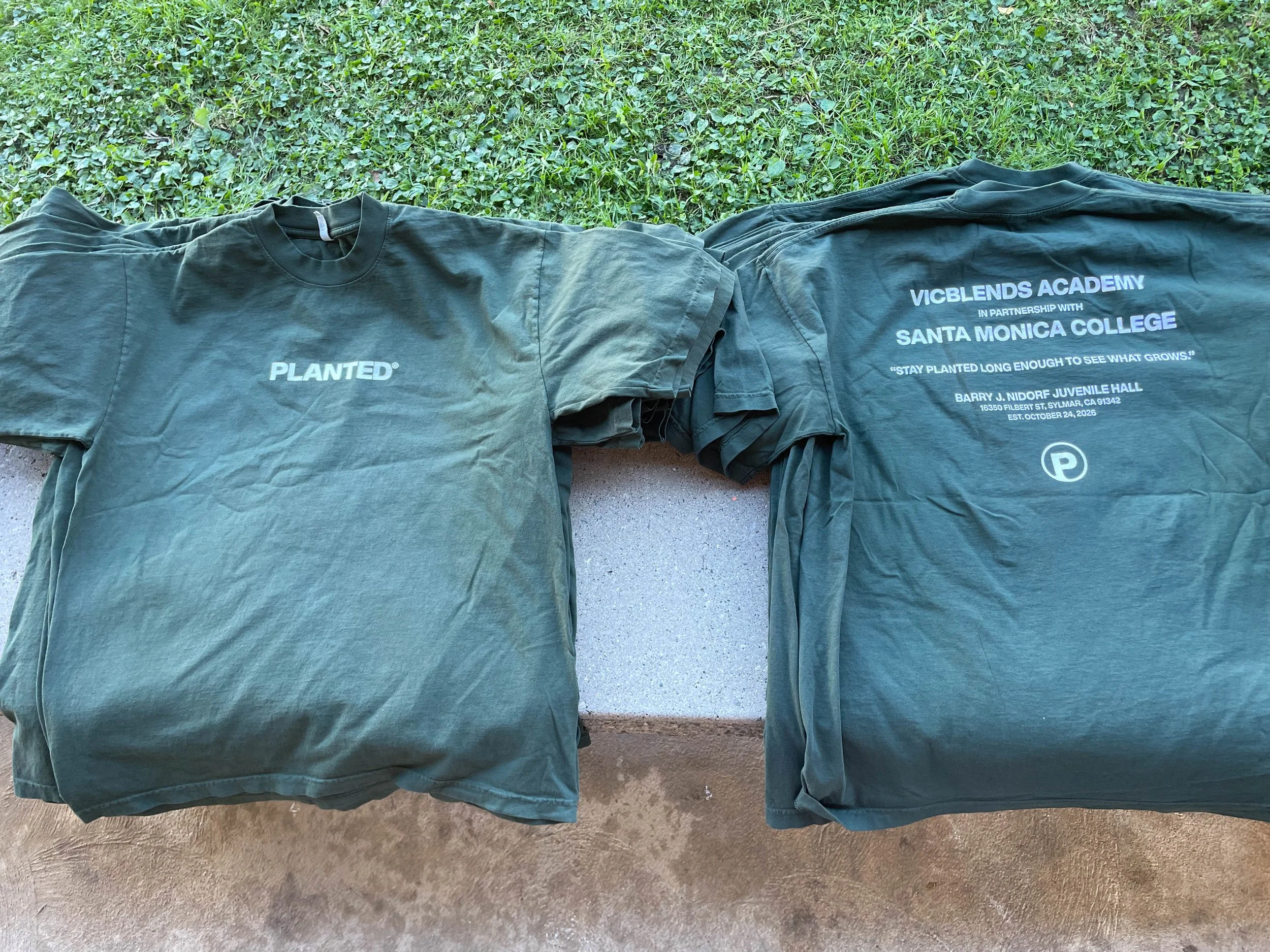

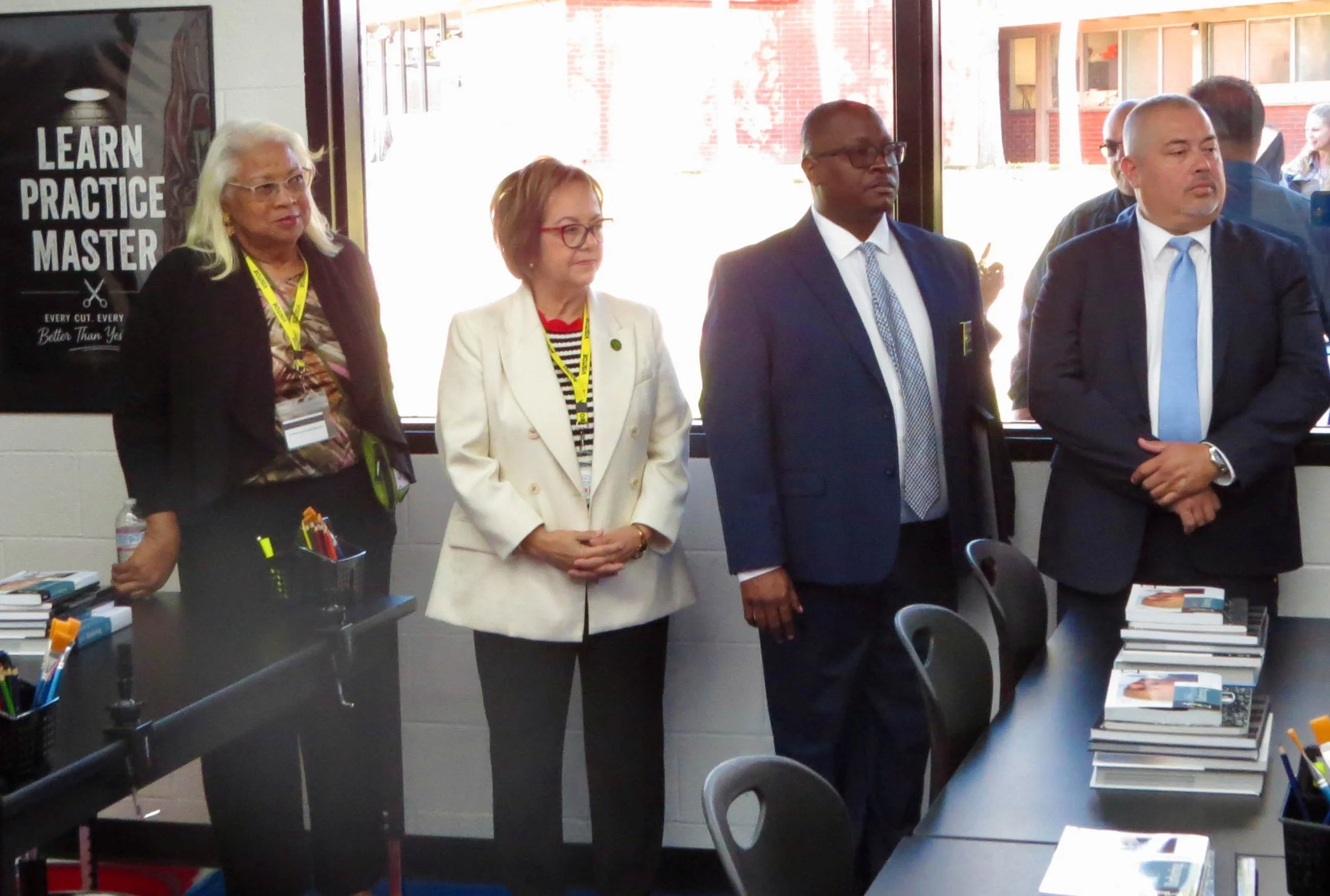

SMC teamed up with Hollywood producer Scott Budnik, celebrity barber and influencer VicBlends and the Barry J. Nidorf Juvenile Hall to provide incarcerated people the opportunity to obtain a barbering certificate prior to their release.
Within the towering, barbed wire and brick walls of Barry J. Nidorf Secure Youth Treatment Facility in Los Angeles, a high-security rehabilitation program for youth who commit serious or violent offenses, sits a brand-new, state-of-the-art barber shop complete with a spinning barber pole, freshly epoxied red, white and blue floors, barber chairs and Santa Monica College students preparing for their lives upon release.
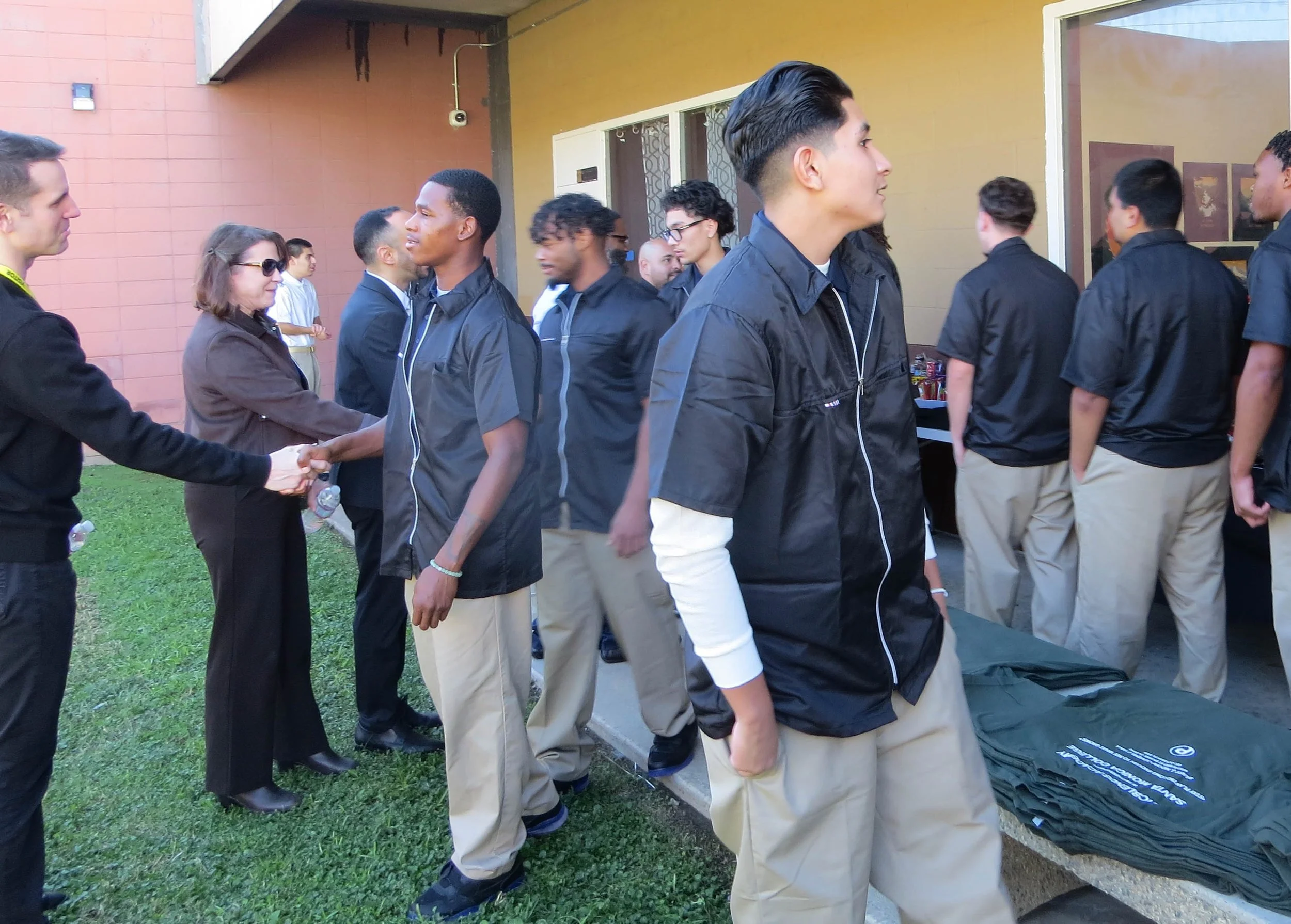
“Gentlemen, take a good look around this room because as of today, this game has officially started. You are not just sitting in a classroom, you are not just passing through time. We are in a facility but our mind is not. We are in SMC college,” Barry J. resident youth and student John Robinson said, addressing the other students as they waited to see their new classroom barbershop.
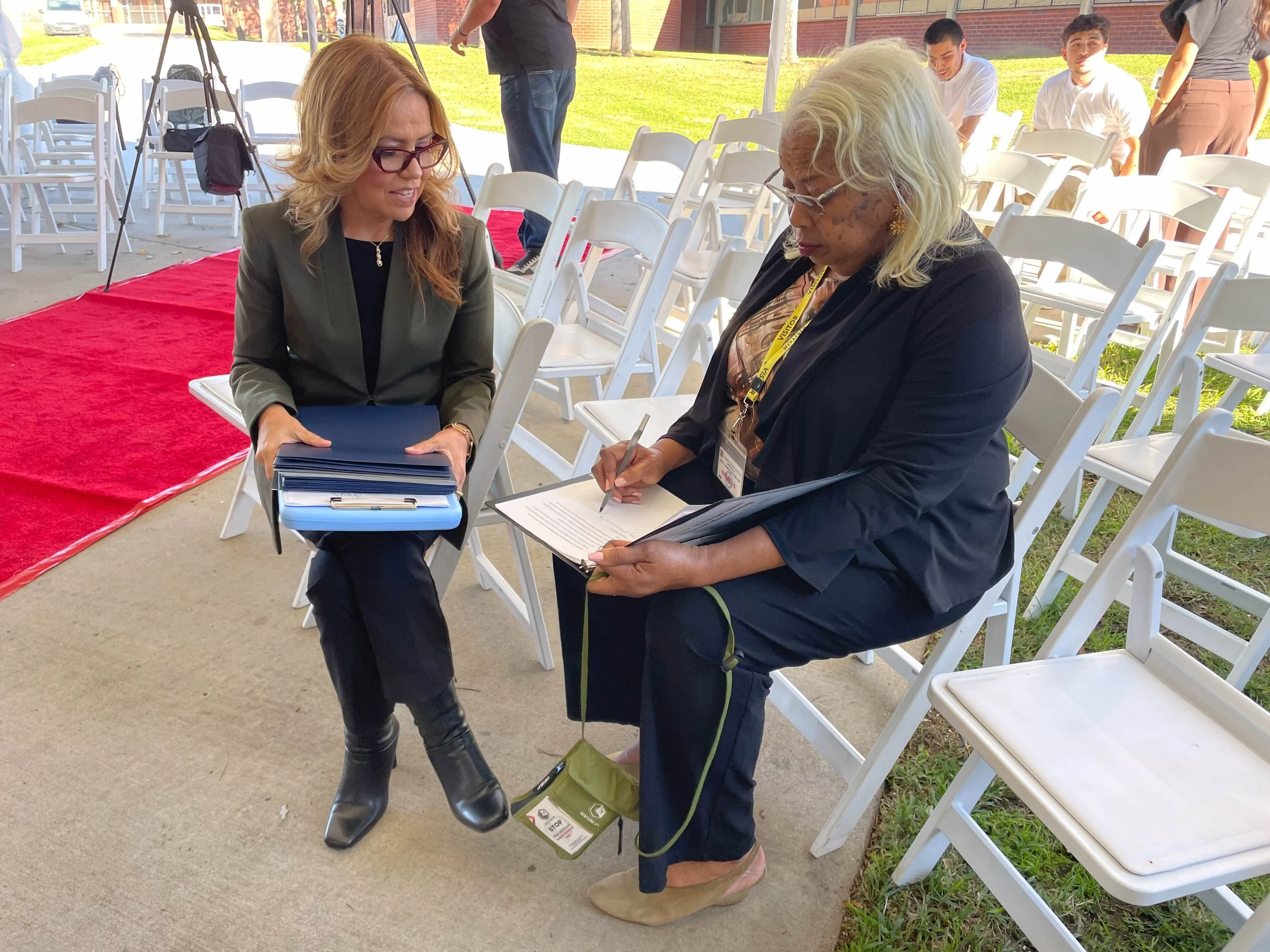
On Oct. 24, the red ribbon was cut by Hollywood producer Scott Budnik, known for films such as “The Hangover” and “Project X”; celebrity barber Victor Fontanez, known professionally as VicBlends; SMC president Kathryn Jeffery; Sen. María Elena Durazo; and college and facility faculty who worked for three years to establish what they described as the first college-certified barber program in a juvenile detention facility.
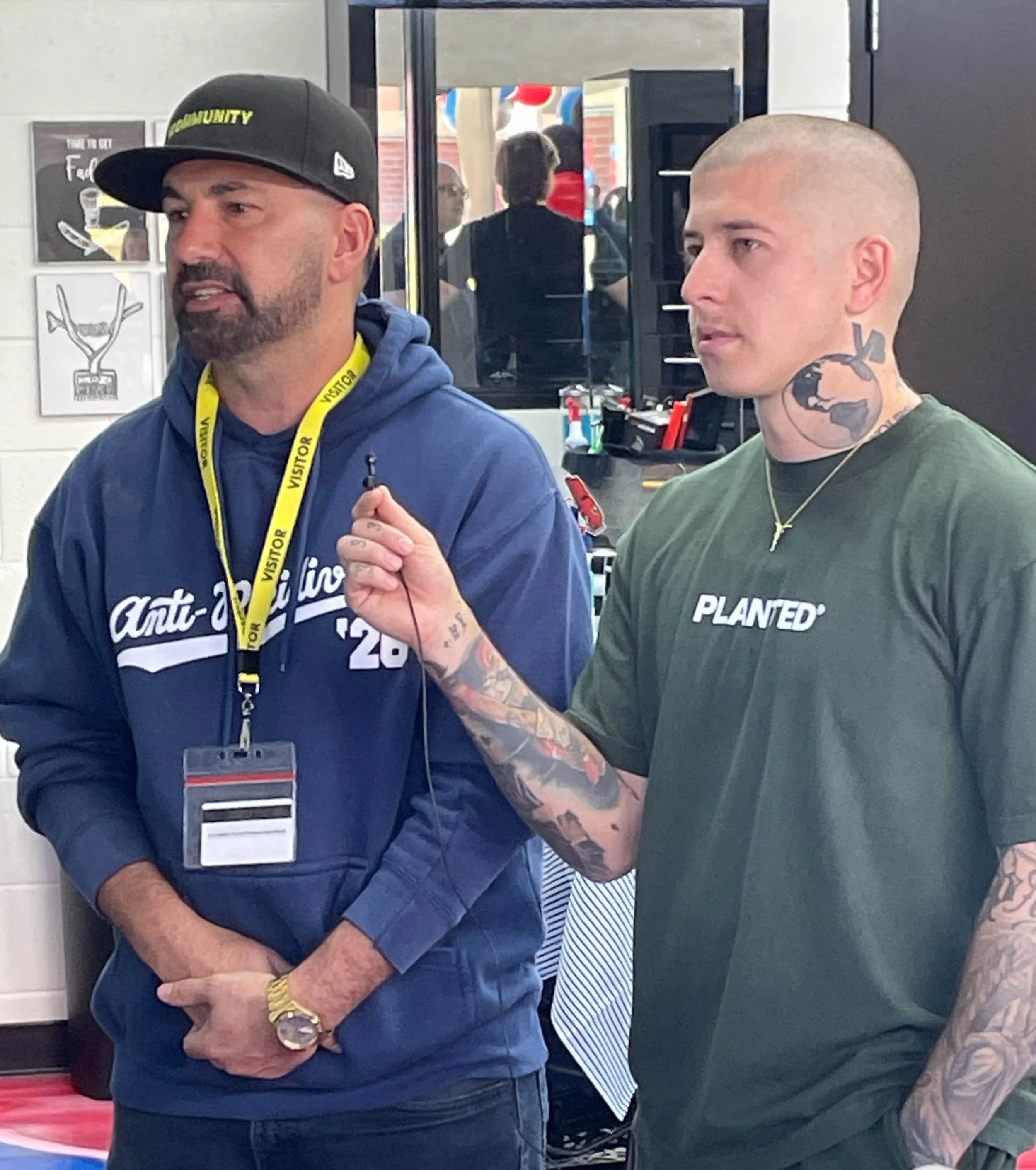
“This school is a representation of hope, rehabilitation and second chances,” Fontanez said. Fontanez has amassed 16 million followers on TikTok and 4.5 million followers on Instagram for his combination of barbering and motivational speaking content.
Fontanez and Budnik previously worked together to create the first barbering program within the prison system at Valley State Prison, and are now working alongside SMC and Barry J. Nidorf Juvenile Hall, a particularly important place to Budnik.
Budnik first came to Barry J. in 2004, when he taught a writing program and was moved by the people he met, returning nearly every week since. “For the last 22 years, I believe very strongly that somebody’s worst act shouldn’t define them for the rest of their lives, especially when they’re young,” Budnik said.
SMC President Jeffery cited the school’s mission of equity and success, and extended open arms to the students, citing California State Gov. Gavin Newsom’s initiative for rehabilitation.
“As demonstrated by the California Model and research, college and career programs in prison and juvenile detention facilities not only combat recidivism, but also support our communities and safety for everyone,” Jeffery said.
The program aims to cut down recidivism rates among juvenile offenders by offering them a pathway to a career immediately upon being released.
Senator María Elena Durazo led the LA county federation of labor, including 800 unions, building trades and community organizations.
“We can’t expect a different outcome if we send young people back into the same circumstances without giving them the tools,” Durazo said. “I’ve seen firsthand how a trade and having a good, paying union career can change someone’s life.”
The program is one year long, and students who are released before their program is finished will be transferred to SMC’s campus to pick up directly where they left off.
Enrique Lopez is a Barry J. resident youth and student who is planning to be released by March, and will continue his certification on campus. Unlike his classmate Robinson, Lopez did not have an interest in barbering until the opportunity presented itself.
“You never know what you’re good at until you try it,” Lopez said.
He looks up to Budnik, who has taken on a role as a mentor over the last two years that Lopez has been incarcerated at Barry J. “Sometimes that’s all somebody needs is a little push to keep them pushing forward.”
A shared sentiment among facility faculty, SMC faculty, Budnik and Fontanez is the importance of second chances and the ability for young people who have been convicted of crimes to get a head start in building their lives before reentering society.
“Your past doesn’t define you. Things you’ve done before don’t define your future. The only thing that defines your future is what you do today,” Fontanez said.