
All Are Welcome
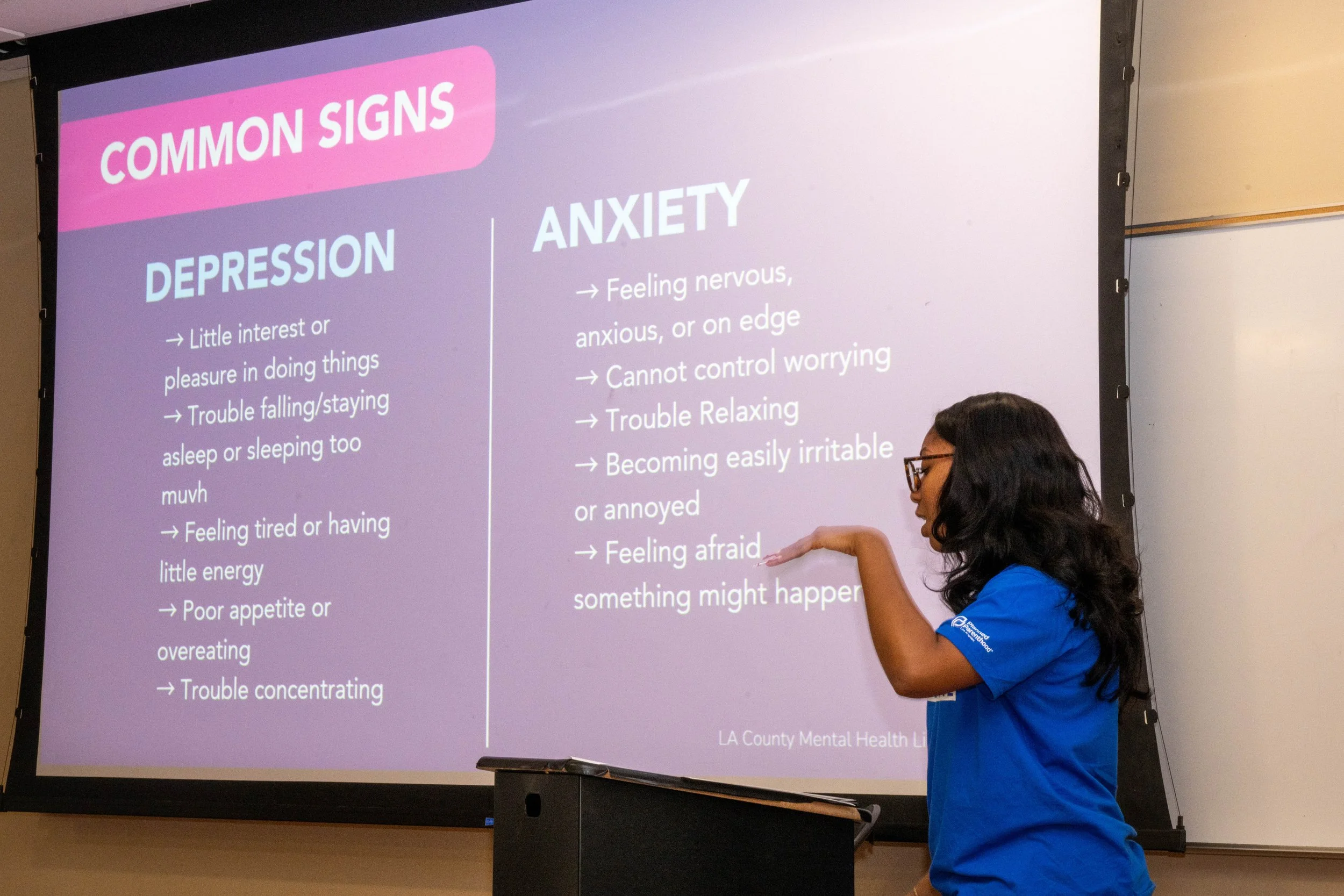
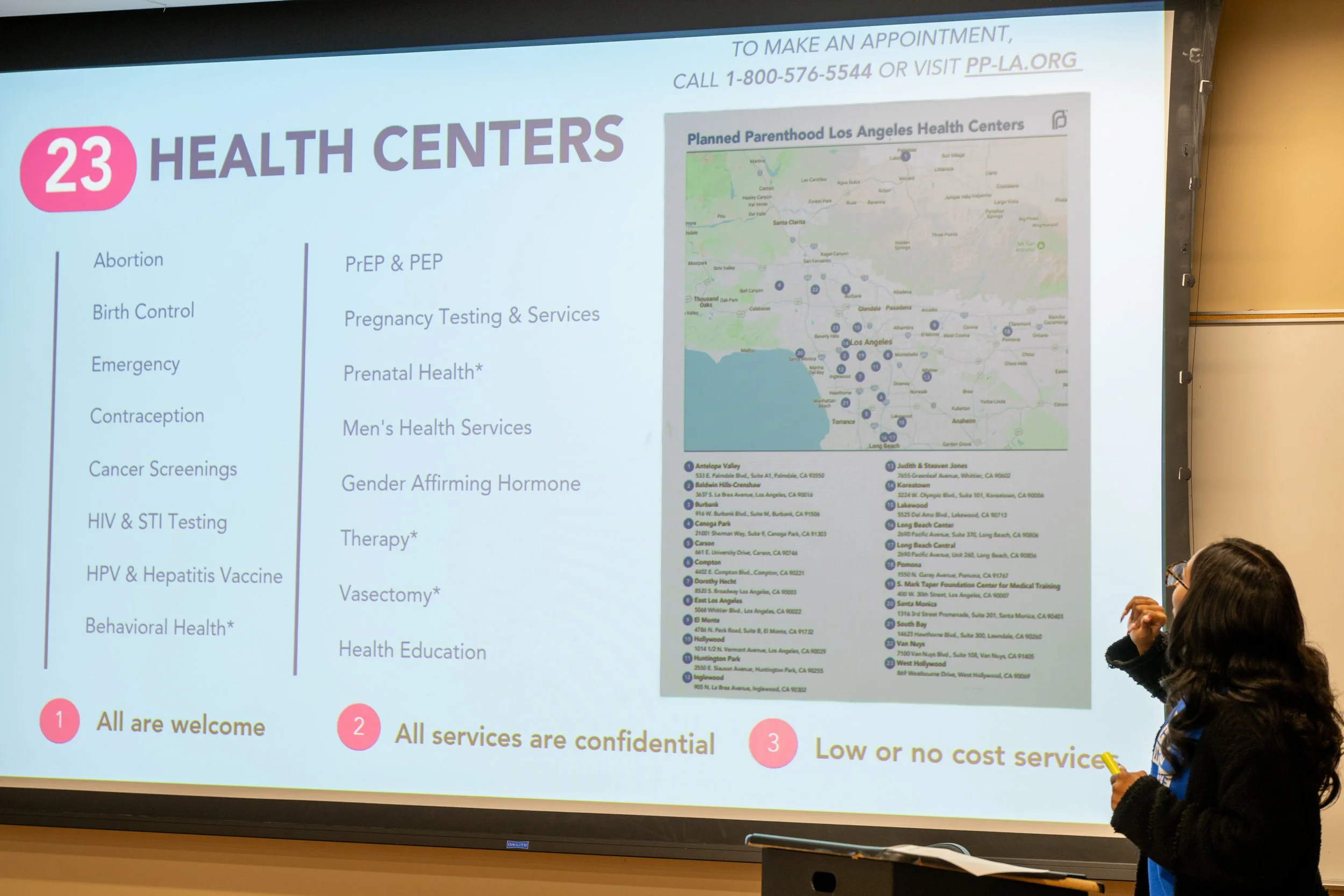
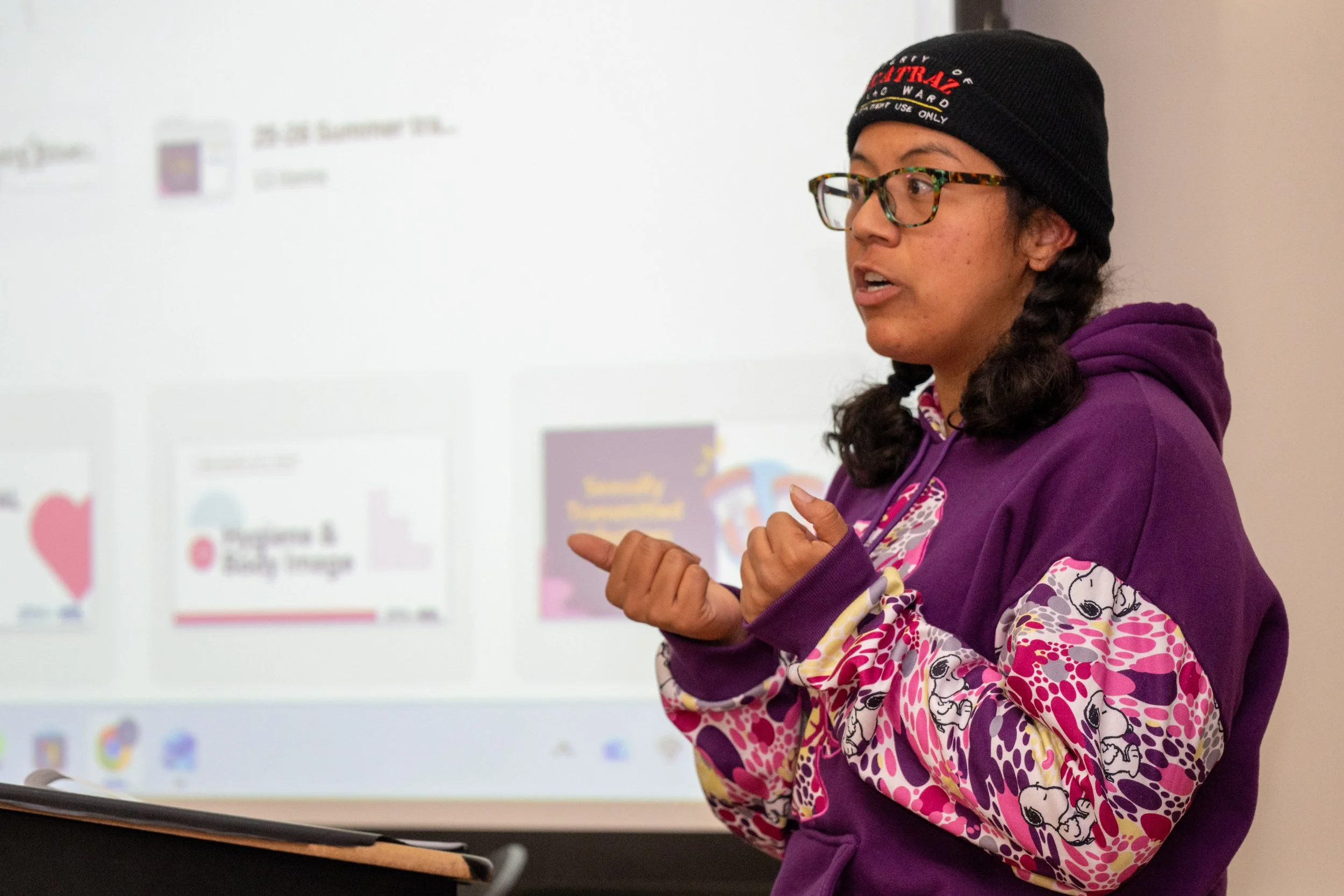
“All are welcome,” said Santa Monica College media and communications student, Jana Craig while introducing Planned Parenthood’s three golden rules. SMC Basic Needs, Black Collegians and Planned Parenthood hosted a Black Mental Health workshop on Feb. 19.
The goal of the workshop was to help students to learn about the stigma, signs, and strategies related to how people of color experience mental health challenges.
“Teaching on Black Mental Health during Black History Month makes it feel more special,” said Craig.
Having experienced her own mental health struggles, she says mental health education was always in the cards for her. At 16, Craig participated in a peer education program through Black Women for Wellness. Three years later, she became a Community Health worker, providing services through community outreach through Black Health Initiative.
“Everytime that there was a time in my life that I was down or going through a bad phase in my life I had my peer education to fall back on,” Craig said. “I was only 16 and was going through so much in my life being able to open up and talk about it made me feel not as alone.”
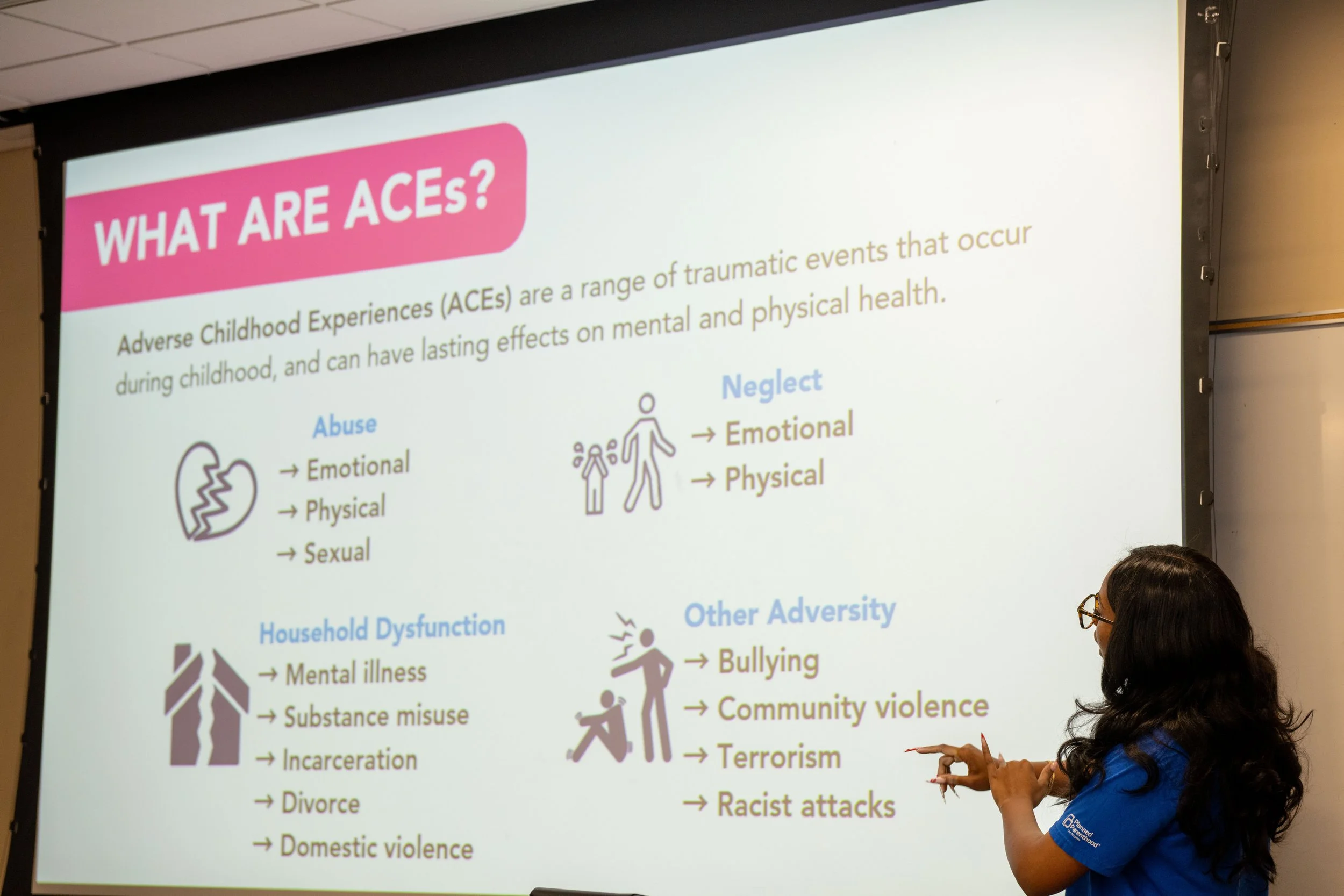
Craig led an extensive discussion on understanding Adverse Childhood Experiences (ACEs). Students reviewed a case study involving a 35-year-old Black woman named Michelle. The group was asked to identify ACEs that she faced and strategies to support someone who may be experiencing the same.
The office of the California Surgeon General released a video that breaks down the impact on ACEs.
ACEs include racism, oppression, violence, abuse, mental health problems or substance use. The more frequently a child's physical and emotional safety systems are activated, the greater the build up of toxic stress. Body chemistry meant to protect us in harmful situations can produce toxic stress, which may affect our biology and be passed down through our DNA.
“It made me quite emotional, I may not have said a lot but I felt a lot as we were explaining things like depression or ACE. How a child may receive trauma or symptoms from the parents behavior. I was there. I felt like I was 10 again, frankly,” said Takara Yaegashi.
Yaegashi is the president of the Black Collegians program and has been studying accounting since 2019 at SMC. Her father is a U.S. veteran who served as a naval officer in Guam.
“It’s very scarring for a person to strategize how to hurt another human. It was damaging to his humanity,” said Yaegashi.
Her father’s experience in special operations left its mark on his mental stability, and he coped by drinking alcohol.
“I’m grateful that my brother and I turned out to not be alcoholics, but we definitely had a huge chance of being so because we were reflective of how our dad behaved in our youth. It’s very common in the Black community to have an alcoholic parent.”
According to the State of Black Los Angeles 2023 - 2025 Trend Analysis report Black/African American adults were 36% less likely than U.S. adults overall to have received mental health treatment in the past year.
The small, intimate group setting gave students the opportunity to be vulnerable and share their unique experiences navigating mental health and mental illness. A key point was that mental health does not mean mental illness; however, the two concepts coexist.
Abel Orihu, a student at SMC, attended the workshop with a friend. He said having the workshop take place during Black History Month was a good opportunity to prioritize mental health during a time when resources are needed.
“The illusion is that there isn’t any time to slow down,” Orihu said. “So it was really nice to have a space to slow down, check in and talk about the importance of not just mental health, but resources available outside of that for sex education and other things that aren’t usually talked about within Black households.”
He looks forward to seeing more events on campus that remind Black students of “self belonging”.
“Many times we all live lives that are not our own. We live personalities and identities made up of other people's expectations a lot of times, especially growing up we don't have the space to discover ourselves especially given that we are born in the age of technology,” Orihu said.
He hopes future events will encourage socialization among other students of color, connecting in person to build community as an act of resistance to the grind-and-hustle mentality some embrace as a form of survival.
It’s Xenia Porter’s second semester at SMC, where she is studying Theater and Psychology. She serves as the treasurer of the Black Collegians and accompanied Orihu, who reminded her that he would be attending the event.
“I think there is always more than can be done,” Porter said. “As a club we are trying to work on making more events and stuff. I think continuing to be persistent and speaking about it and showing it to students, like we’re here to help y’all out…we have resources, you just need to pull up.”
Porter said stigma runs rampant in Black communities and it's a very different experience, the toll it takes on the body, and challenges with medical coverage or insurance.
Before SMC, Porter was attending Fordham University in New York. She said while she attended school on the East Coast, her California-based health insurance did not cover her treatments. “I had to go to urgent care, I wasn’t able to get my ADHD meds, and I wasn’t able to get med management cause I also take other medication.”
Craig’s presentation had a special emphasis on mental health, focusing on the Black experience. Not all participants who attended were Black, emphasizing the diverse community seeking mental health resources.
In the 2025 State of Black Los Angeles trend analysis reports include Black/African American depression rates decreased, from 15.3% to 11.4% other groups saw increases.
Craig shared that Planned Parenthood health centers in Inglewood, Compton and Baldwin Hills Health Centers offer free therapy for up to four months, totaling 16 sessions.
Participants said the conversations during the workshop fostered a sense of solidarity, similar to the solidarity seen across marginalized communities throughout U.S. History including the civil rights movement, the Black Lives Matter movement and recent protests against ICE.
“There’s too much politically going on…It is a bigger problem than we perceive it is,” said Yaegashi. “We need more unity amongst each other to say this is not just one community's problem.”