
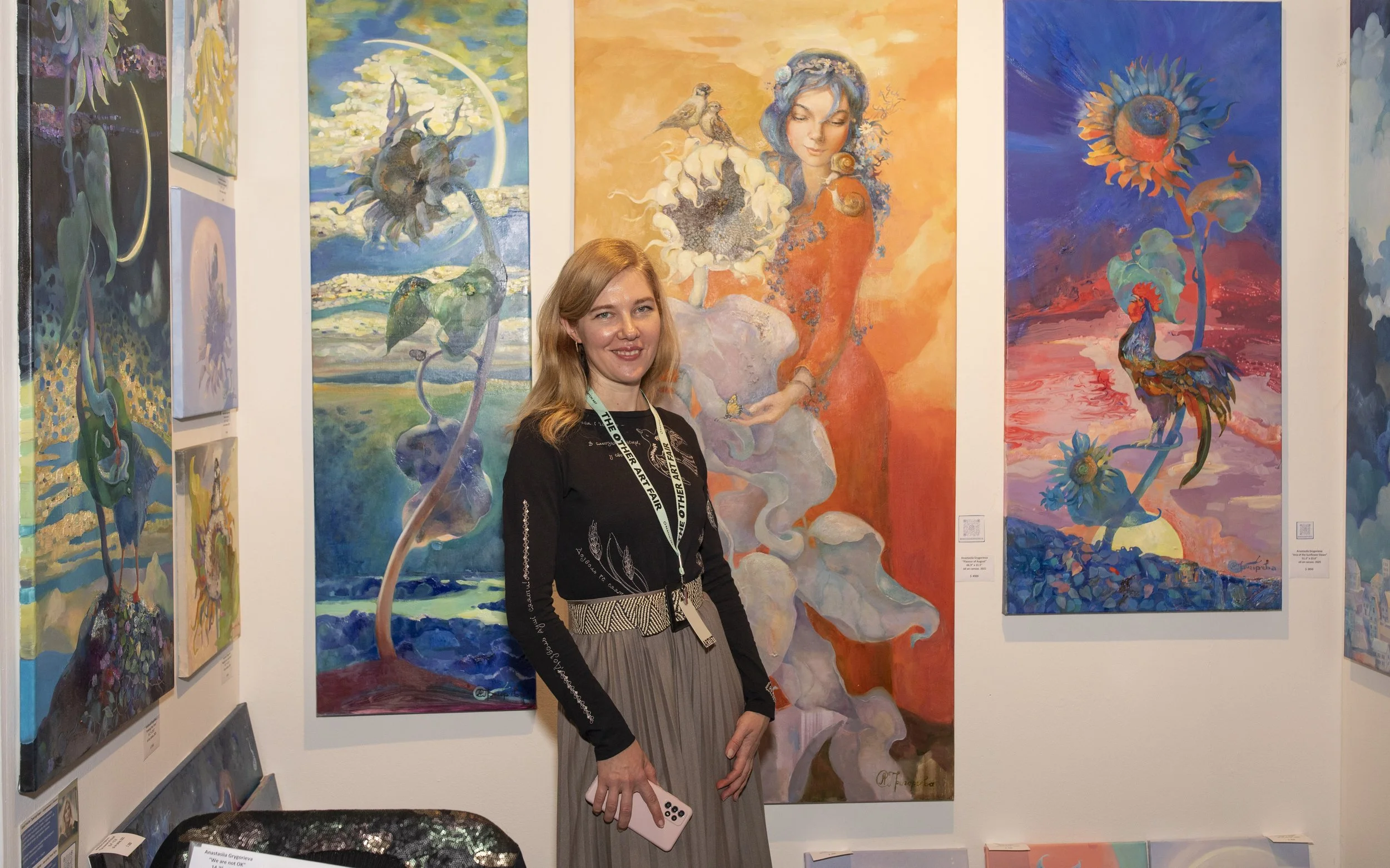
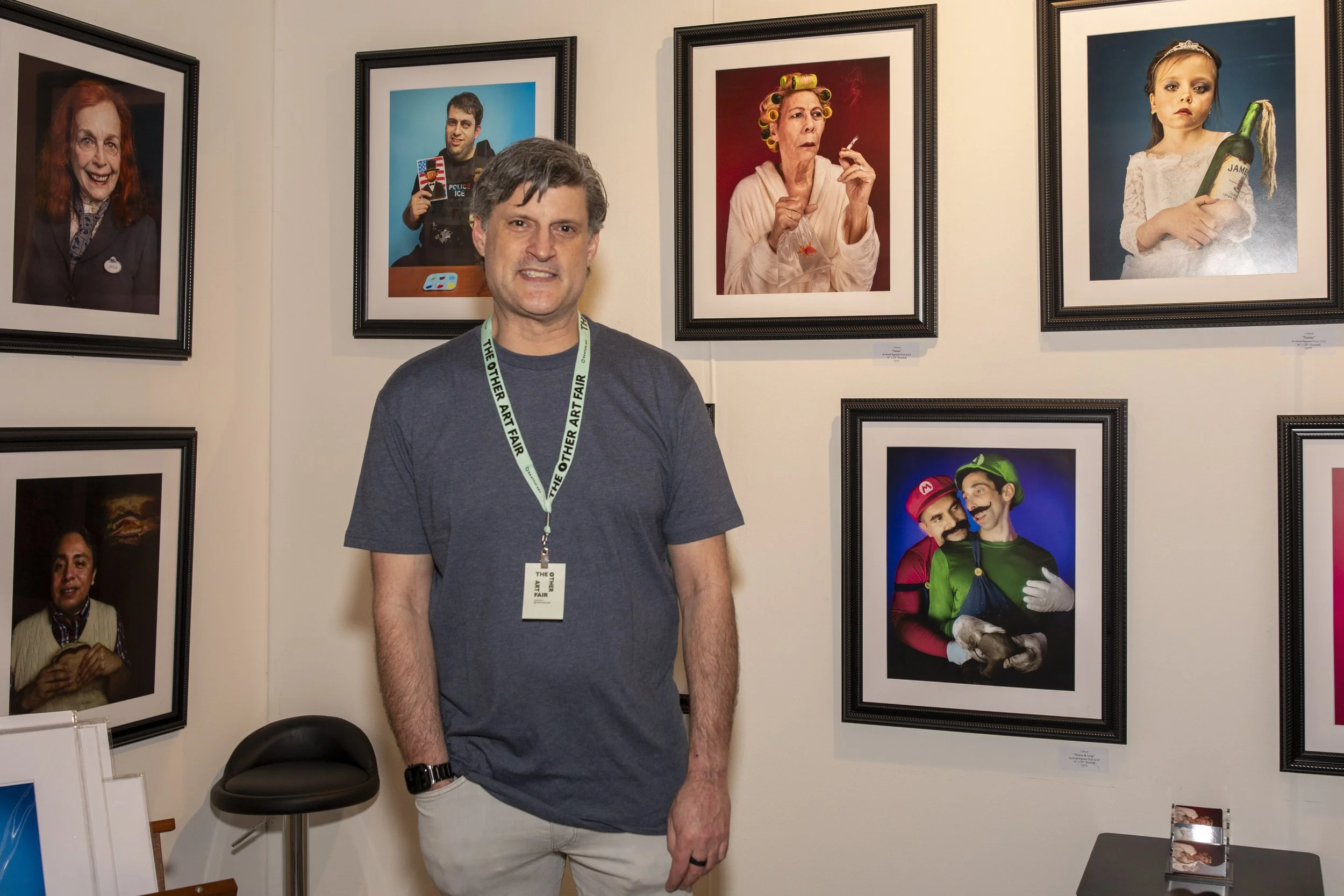
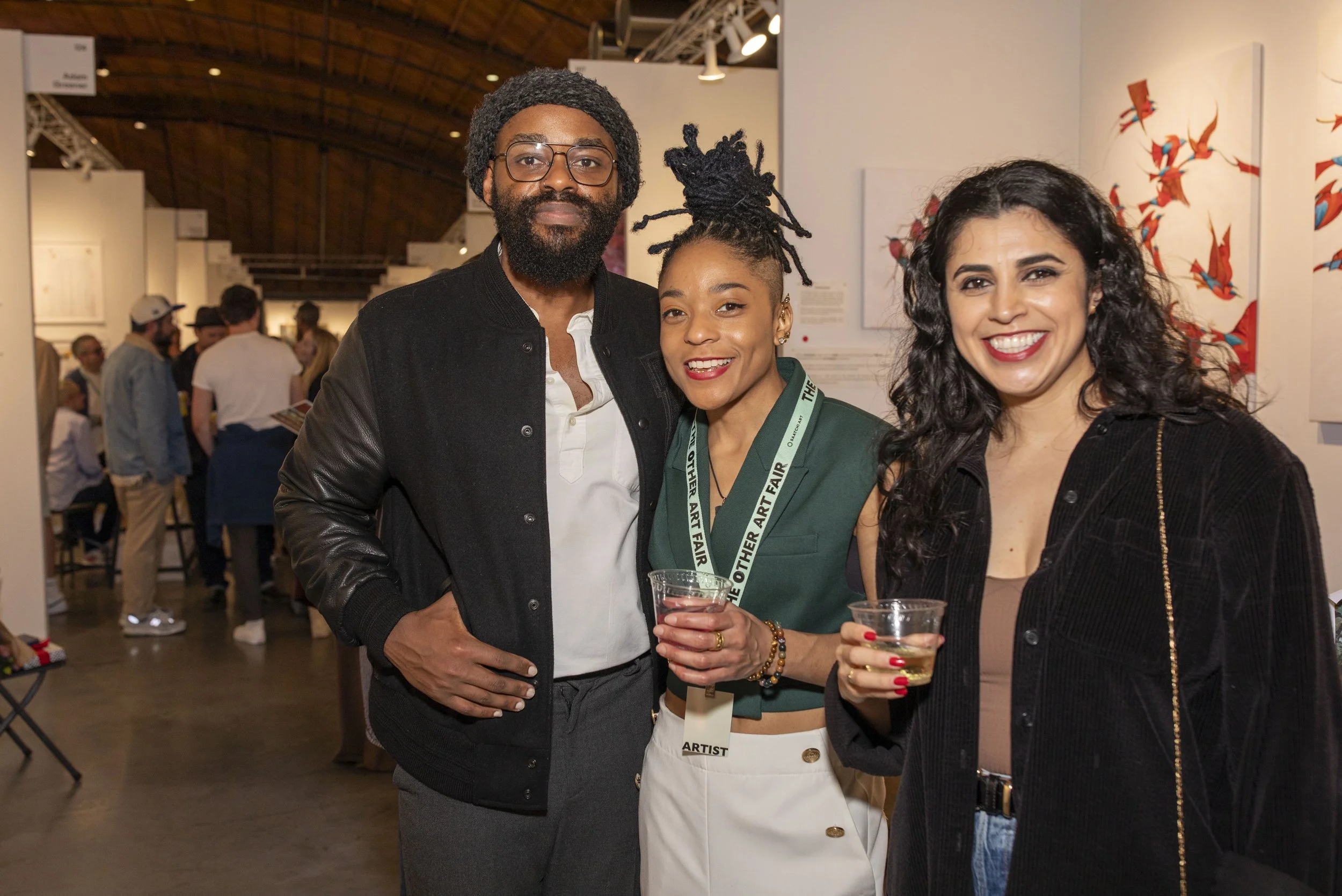
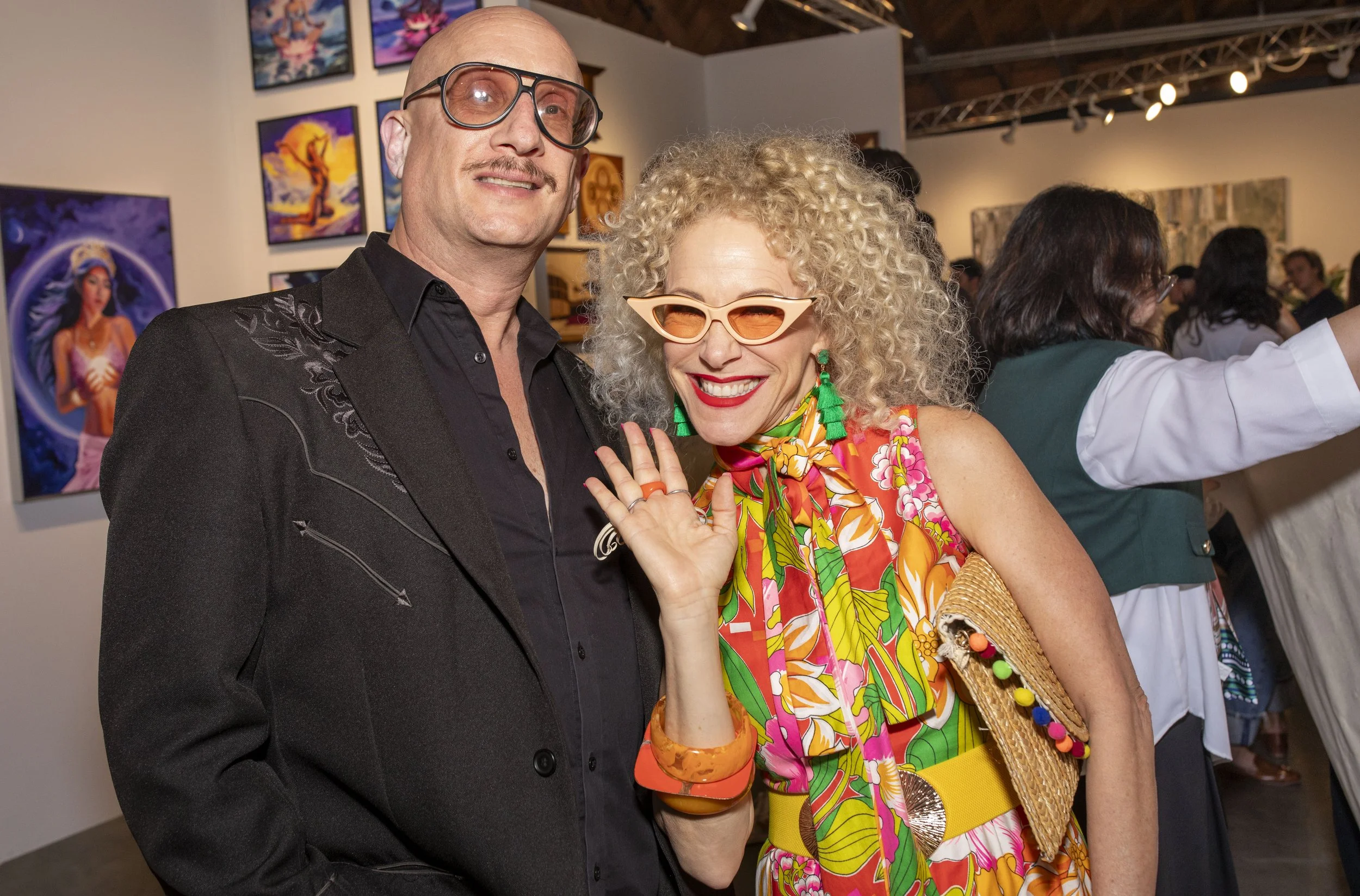
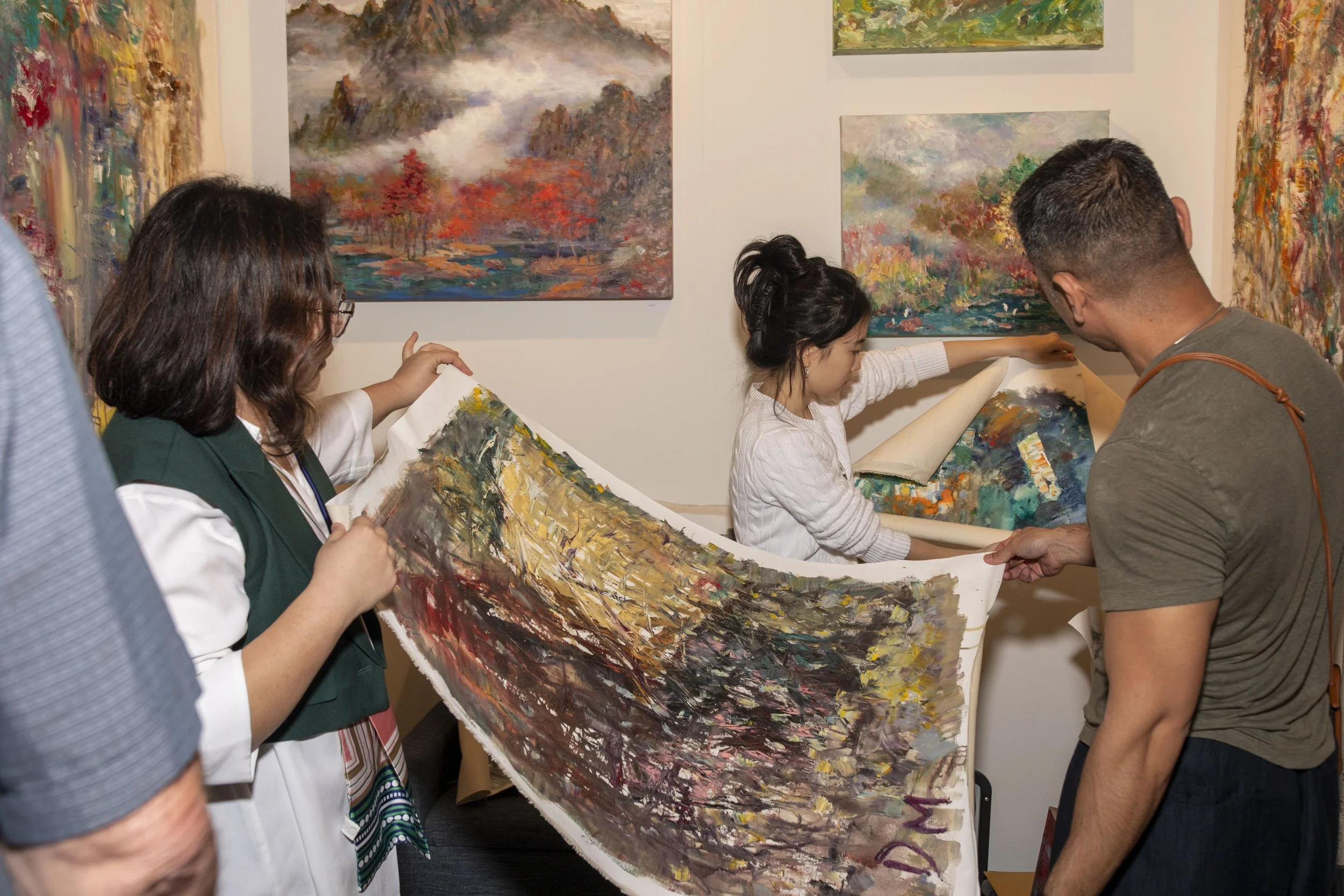
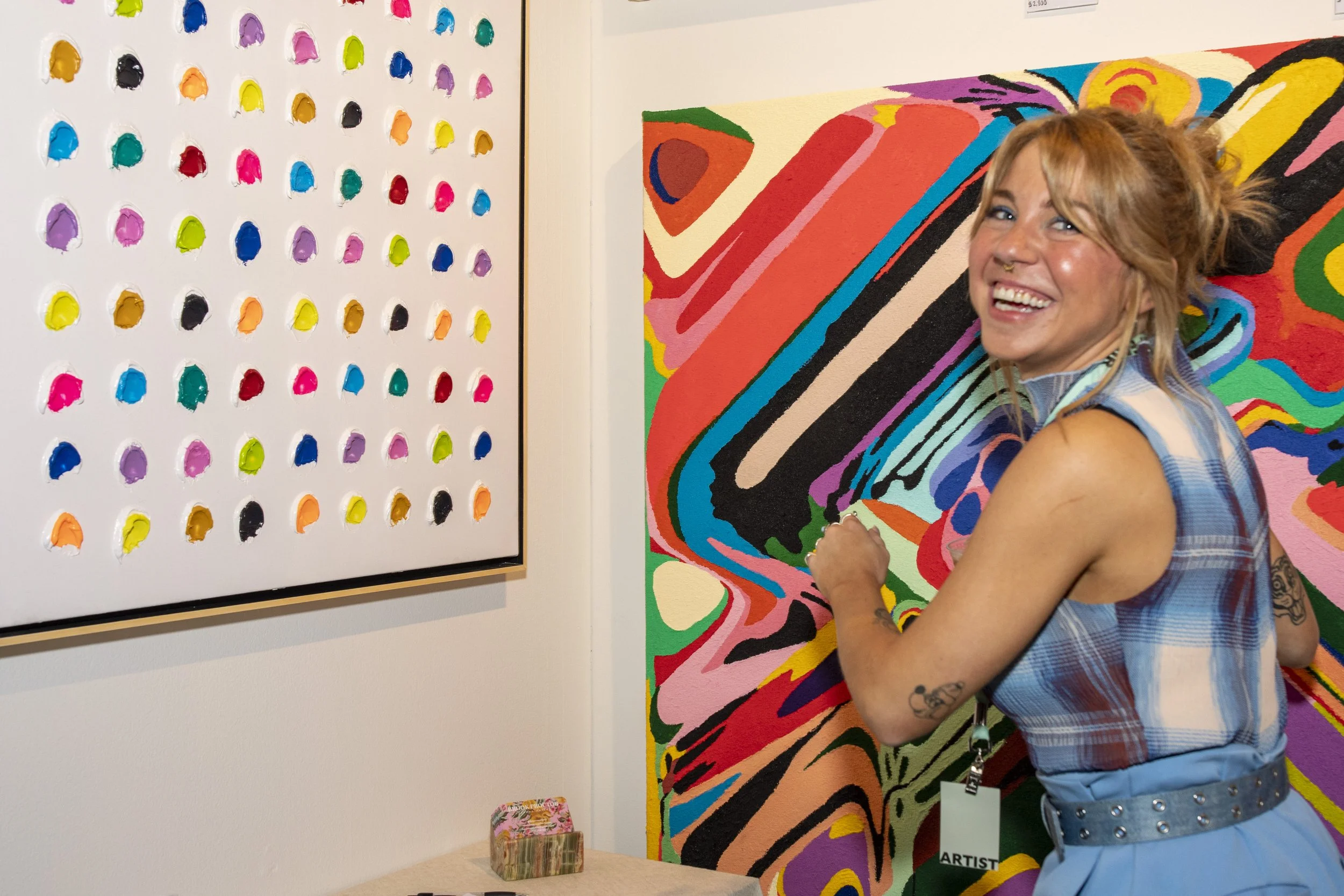
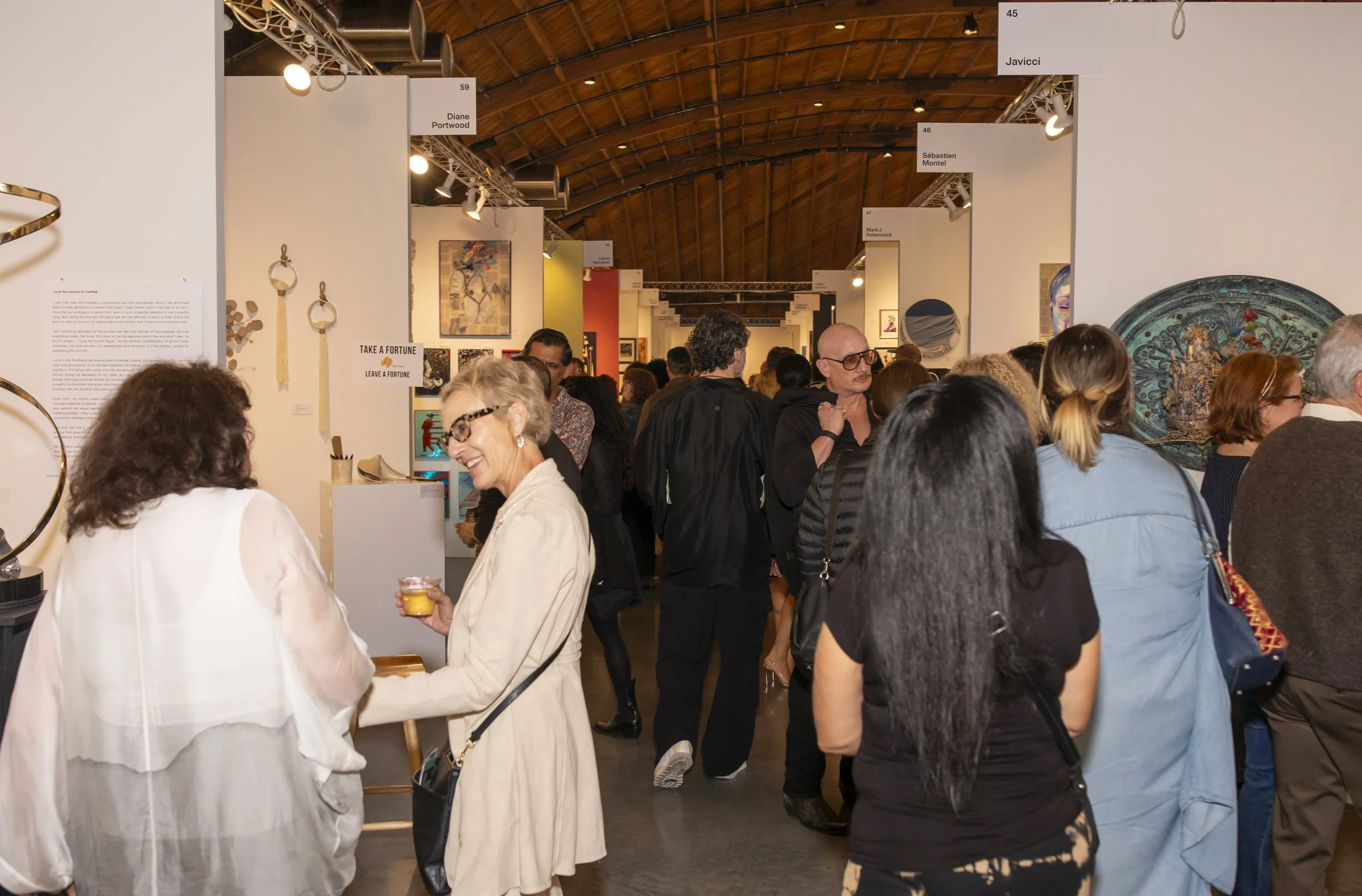
The Other Art Fair, held Feb. 26 to March 1, 2026, at 3labs in Culver City, brought together more than 100 artists exhibiting their work, and several shared their thoughts on the rise of artificial intelligence in the world of art.
In 2024, an AI-powered robot artist, Ai-Da, sold a painting for over $1 million through Sotheby's. The invention comes as more accessible forms of AI have gained popularity, such as ChatGPT and Midjourney, an AI art generator.
As the brainchild of gallerist Aiden Meller, Ai-Da was created as a result of a study Meller conducted to find the commonalities between the most successful artists. As the study proceeded, Meller realized the “one percent…pick up on an issue that is unsettling, uncomfortable, or difficult in society. So when they put the artwork out, there’s a huge response to them because it’s something they [the audience] are already talking about.”
With AI art becoming more prevalent in society and increasingly seen across social media, some artists have mixed feelings about AI and its role.
Artists and attendees of The Other Art Fair were challenged by the growing conversation around AI.
Colorado-based artist Brook Proctor, an exhibitor in the fair, said, “It is impressive that AI can replicate art… I don’t think using it for art is good, ethically. I think it’s going to dumb down the next generation. Of course, you can still learn a lot from it, but if you are using it to create art for you or write emails for you, I don’t think it's doing any good. AI doesn’t have a soul, it doesn’t have emotion, it doesn’t have feeling. Does that make any sense? Granted, is it cool and impressive? Yeah, sure. But I will say, being on Instagram, I have seen artists using strictly AI to create art and then they pop off… and boom, you’re making it big, while other people take years to learn their skill and have a love and passion for their craft.”
Proctor noted that she has been creating artwork from a very young age and is proud of the emotional connection it can create. “Art is an emotion. I always paint for myself first, so for someone else to connect to that on an emotional level… without art there is no more soul.”
Attendees were eager to chime in on the importance of art as AI continues to rise and produce work that may be deceptively realistic to the average person’s eye.
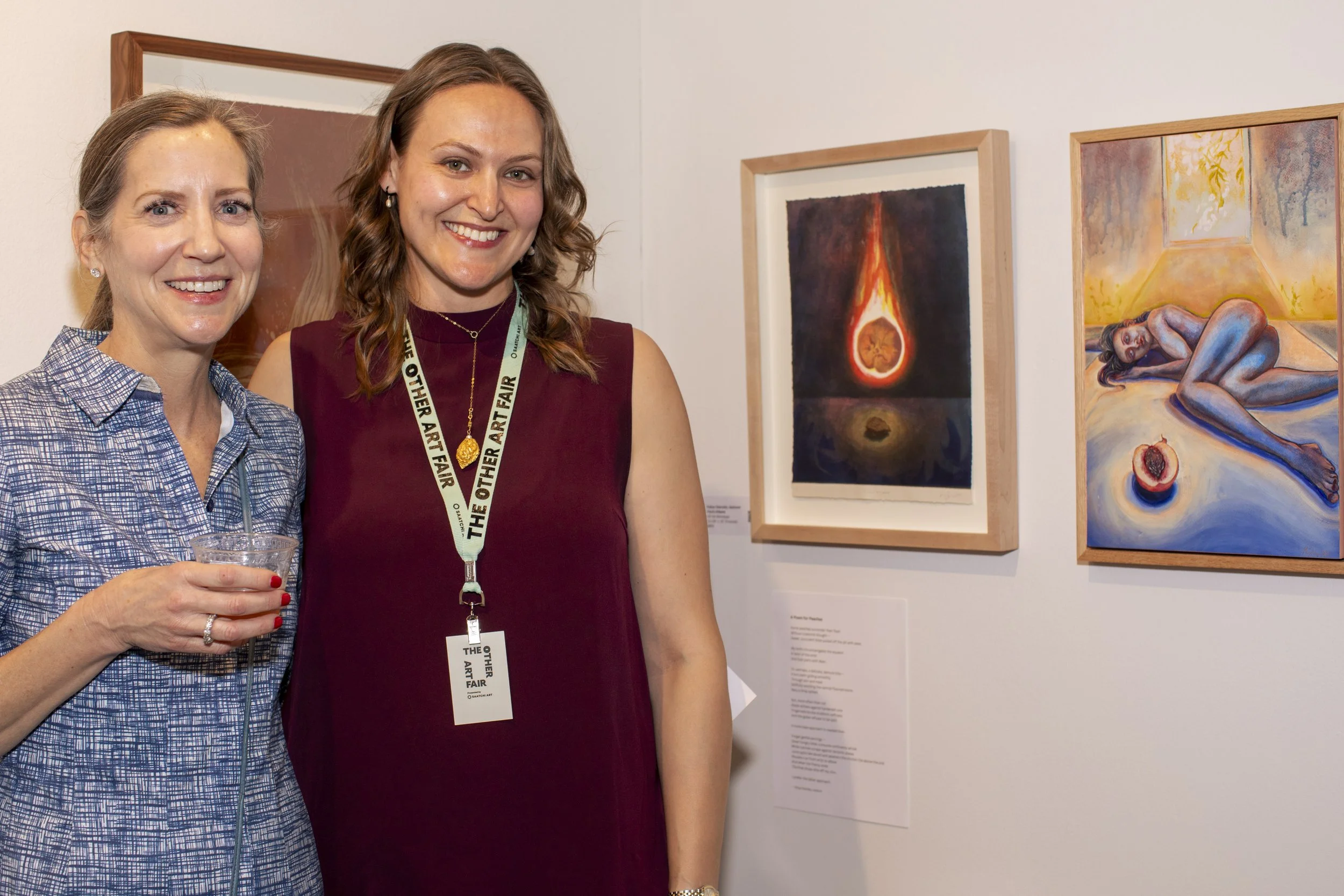
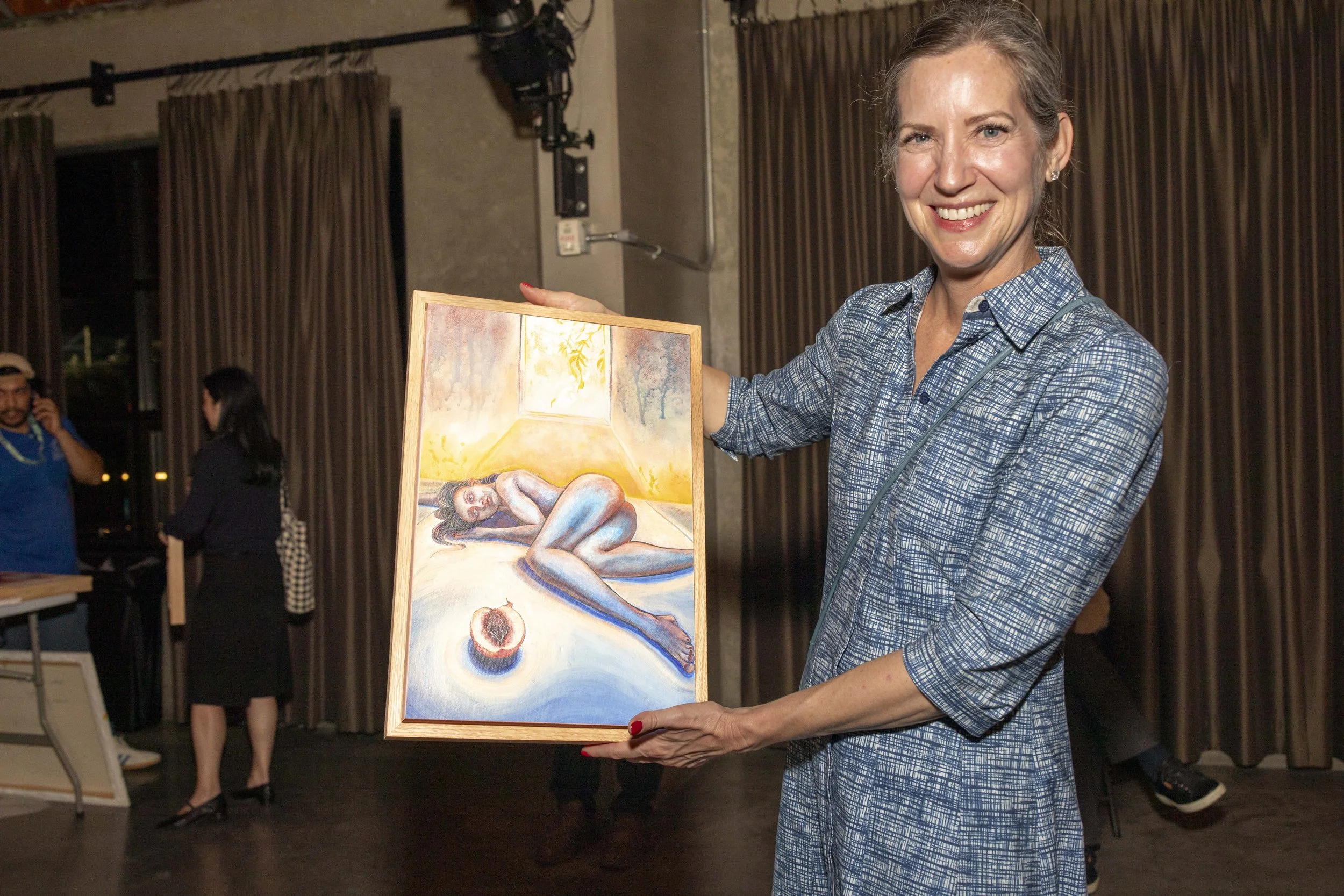
Holly Culbreth, an attendee and an art collector of five years, opened up about her connection to Los Angeles-based artist Katya Stavitsky Jackson’s Peach Trilogy displayed at The Other Art Fair.
“In December, I lost Fernando, who I’d been with for four years, and he loved peaches. It was an obsession, and I actually planted a peach tree in his backyard three years ago, and it was so much fun when they would come to bloom, and we would eat them right in front of the tree,” Culbreth said. “The two [art] pieces I bought were because of the peach. One features [the fruit] in what looks like life versus death, and I love that they were two pieces in a series. I have pictures of him [Fernando] framed around my house and I think [these paintings] are the next step of my process with him in terms of letting him go and absorbing all of the goodness like the peaches he loved.”
Stavitsky Jackson celebrated the connection Culbreth had to her art and said, “The value this art brings is that it connects us with the slow, handmade processes that artists engage in. When you buy a piece of art like this, you are engaging with it every day and are supporting handmade, slow craft. It means the world when someone cherishes what I created.”
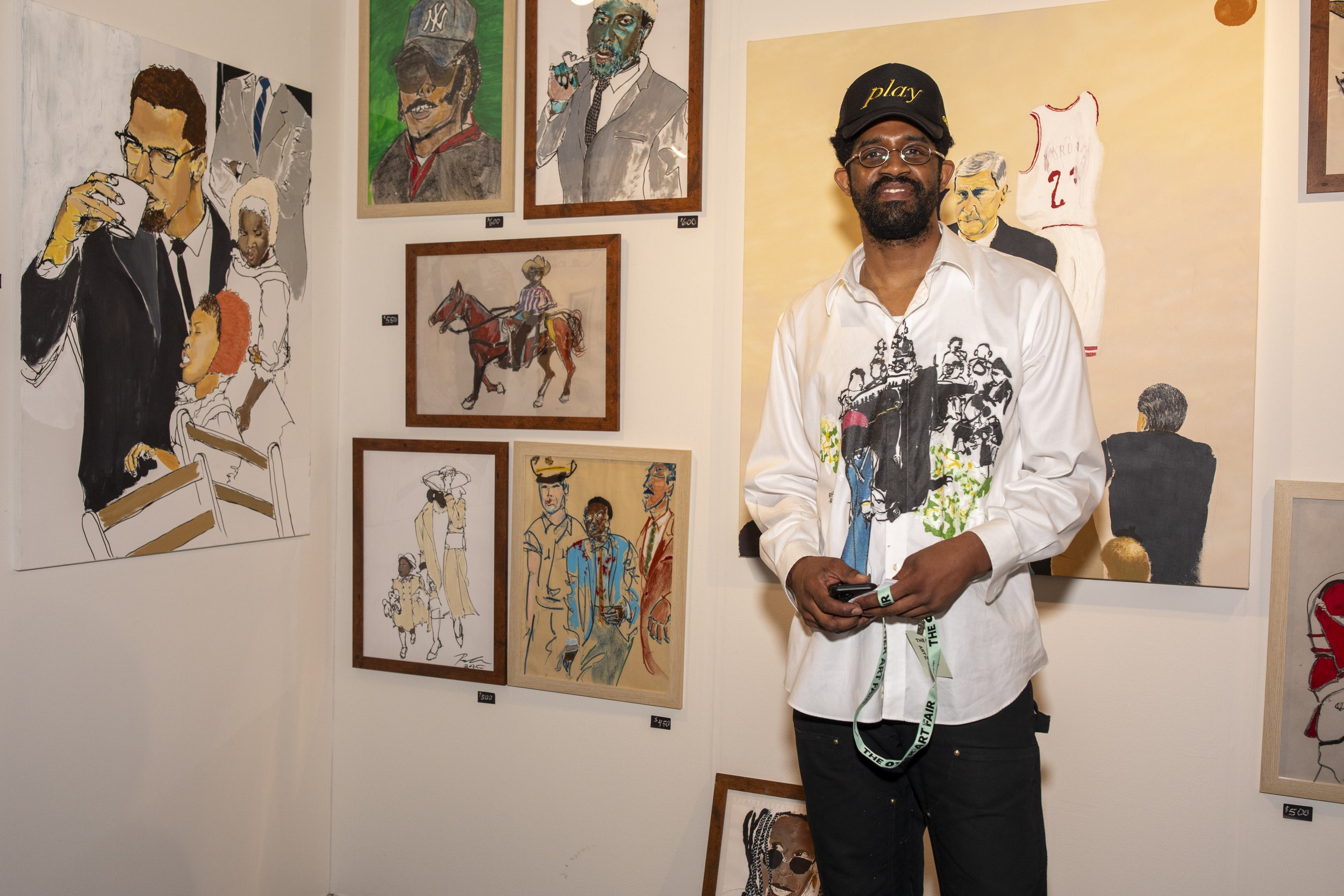
Philip Okonma, an artist showcasing his work, works as a defense attorney in Los Angeles by day and an artist by night. He started making art around the age of five and has continued his passion into adulthood.
“I find inspiration from other art, honestly. I’m inspired by other artists, other directors, other visual artists. There are other artists like Spike Lee who have always inspired me. There are athletes who always inspired me,” Okonma said. “Being a lawyer and public servant has greatly inspired my work. Figure heads, like Martin Luther King, Malcolm X and Dennis Rodman, have made sartorial decisions that inspired me as far as my design work and my visual art.”
When asked about whether art mattered in a world where artificial intelligence is replacing other work at an unprecedented rate, he said AI was not part of his process.
“AI can be used as a tool and maybe it's helping them, but I don’t use it. I think the more that I continue to create my work, the more I continue to journey as an artist.”
“Art matters more now than ever. I think that in times like these art takes a responsibility. Artists should be at their most active, and I think that difficulty is not something that stops an actual artist. An artist is going to create art no matter what because they can’t have peace if they can’t create art,” Okonma said.
“I am a very, very busy person, but I create art because I can’t have peace if I don’t make it, it’s that simple. I can’t live the way I want to live if I can’t create art that I want to make.”
Okonma parted with some words of advice: “No matter where you are in life, you don’t want to be in someone else’s shoes. Be happy that you are in the shoes you’re in and understand that where you are is where you’re supposed to be. Create the things you want to create — the things you know you would create even if you know nobody was watching.”