
Avi Avital and Philharmonia Baroque Orchestra Juxtapose Tradition and Modern Energy at BroadStage
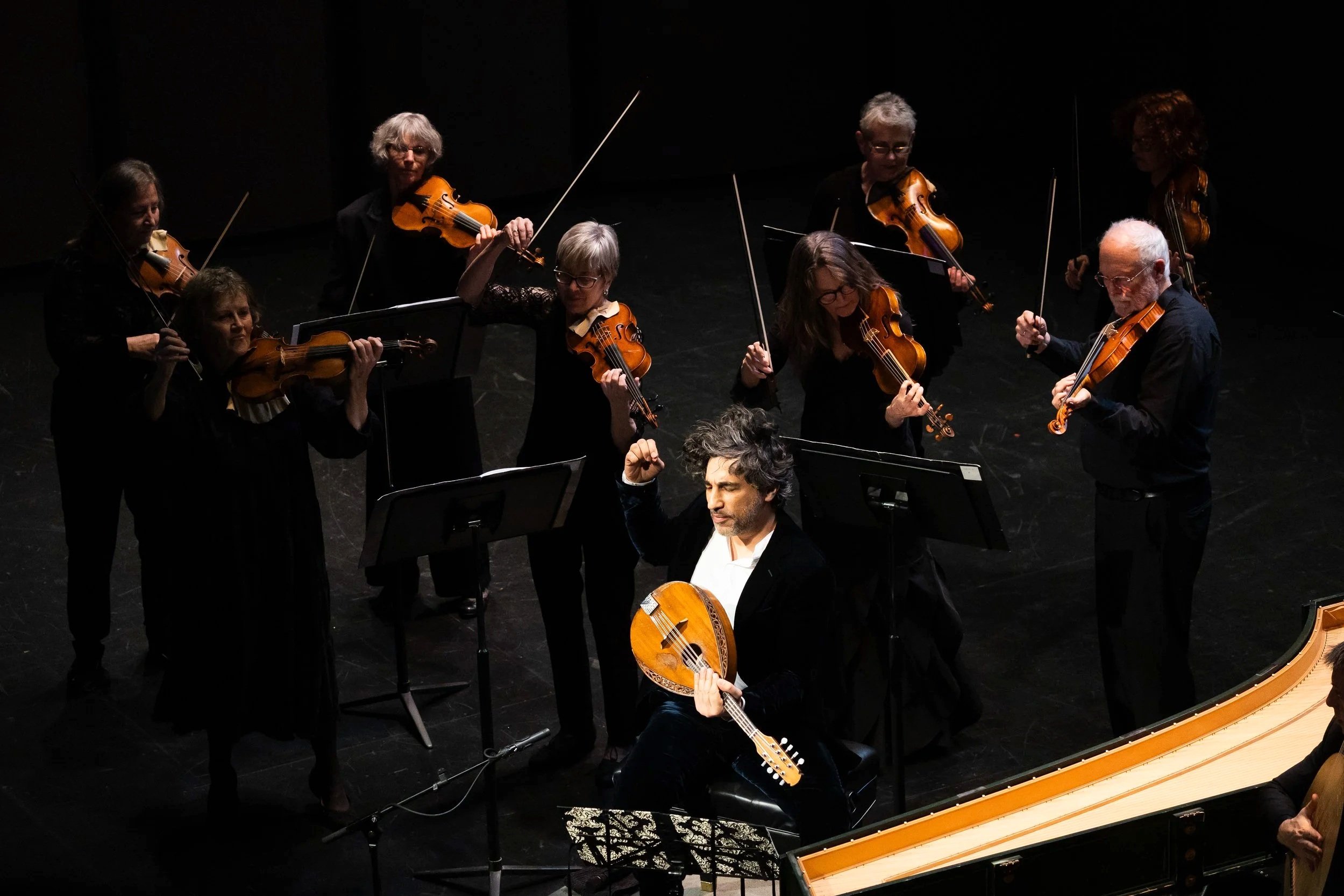
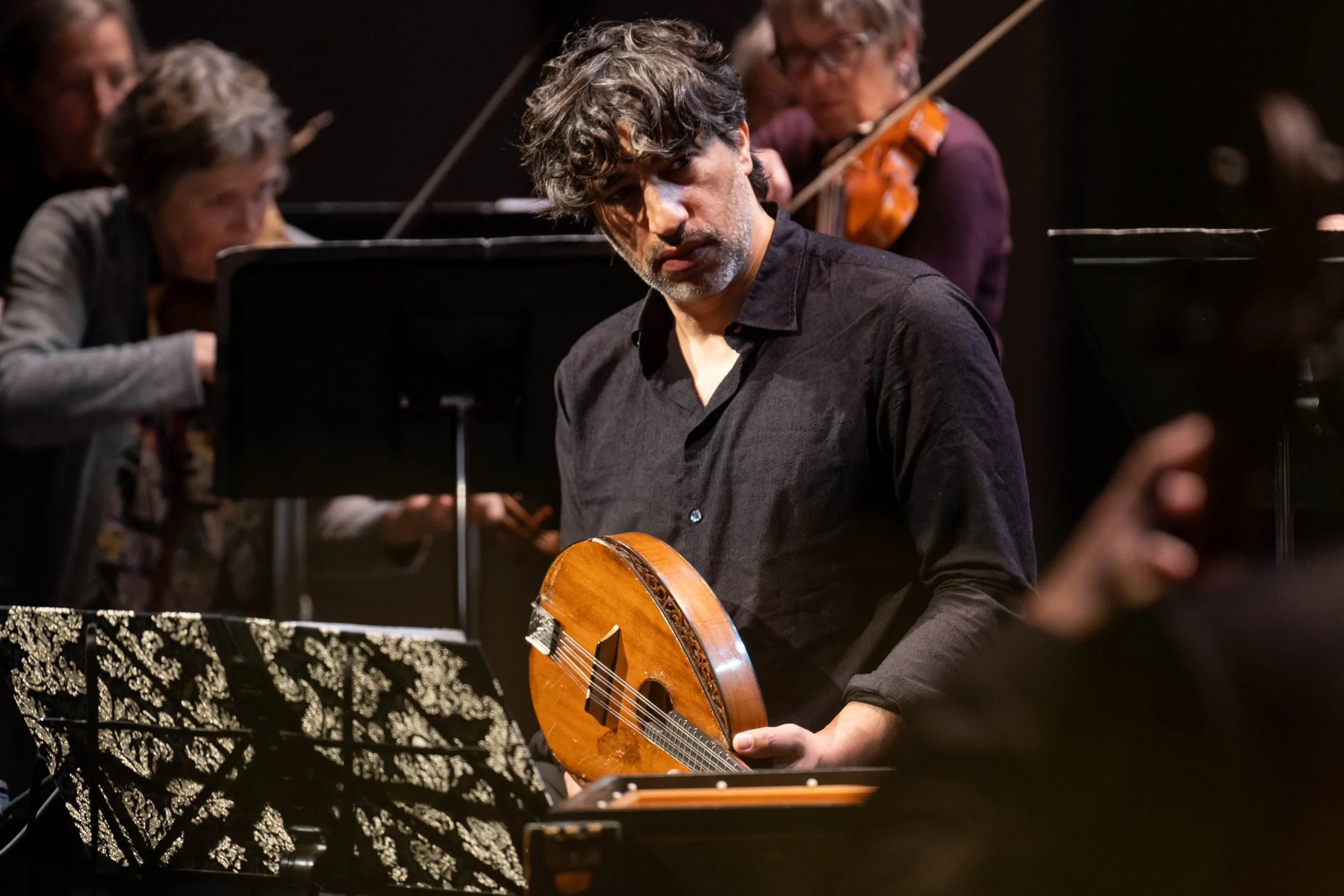
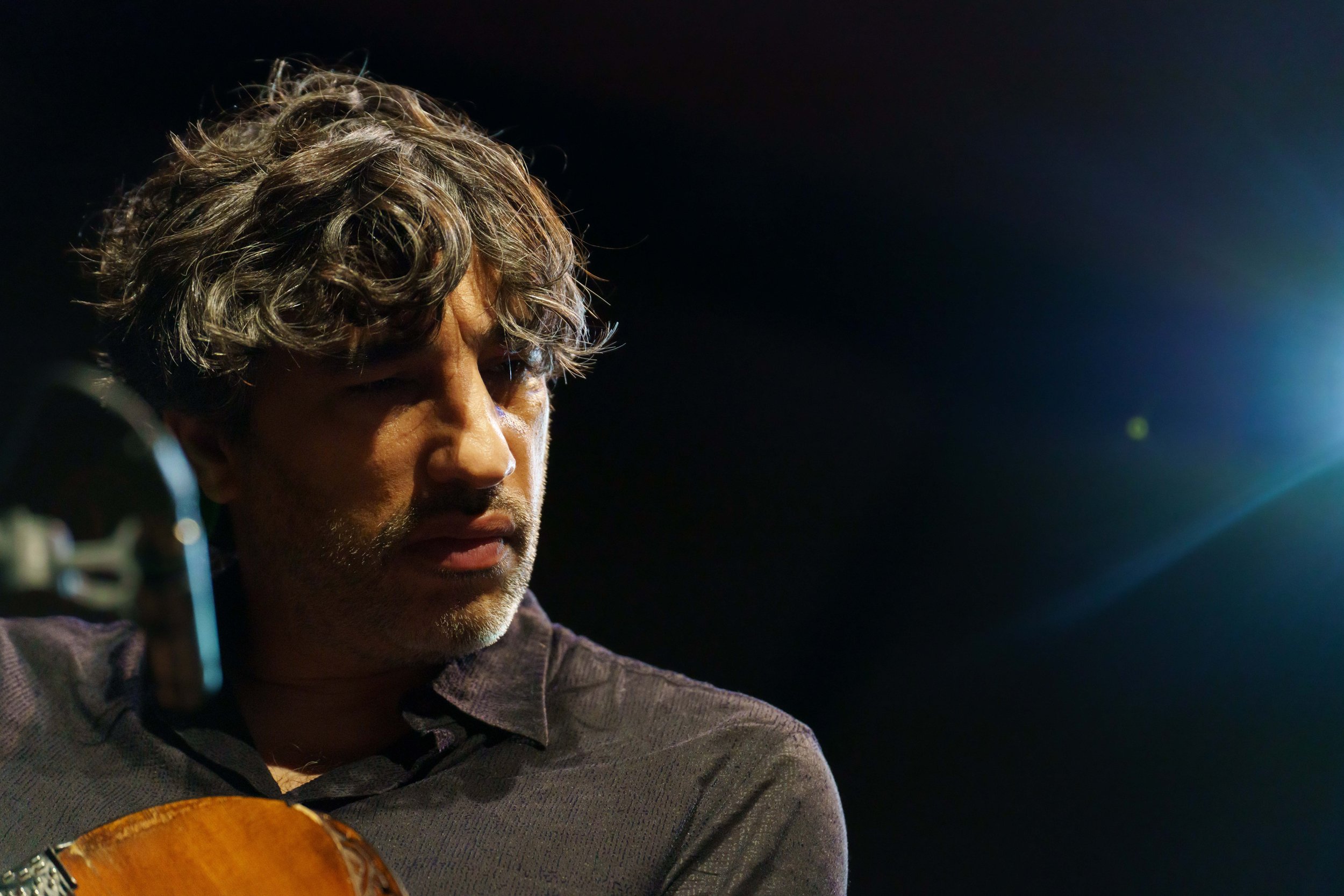
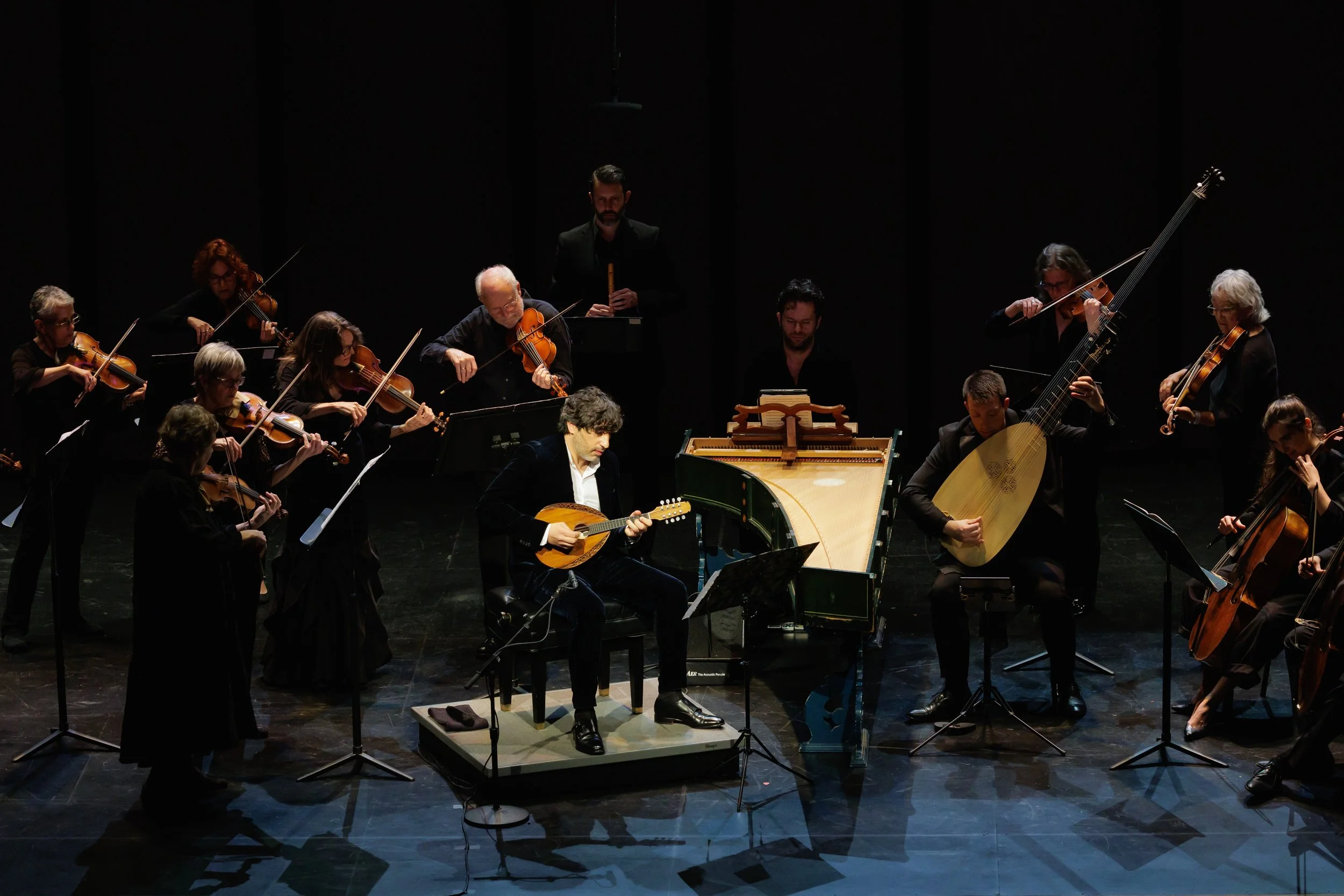
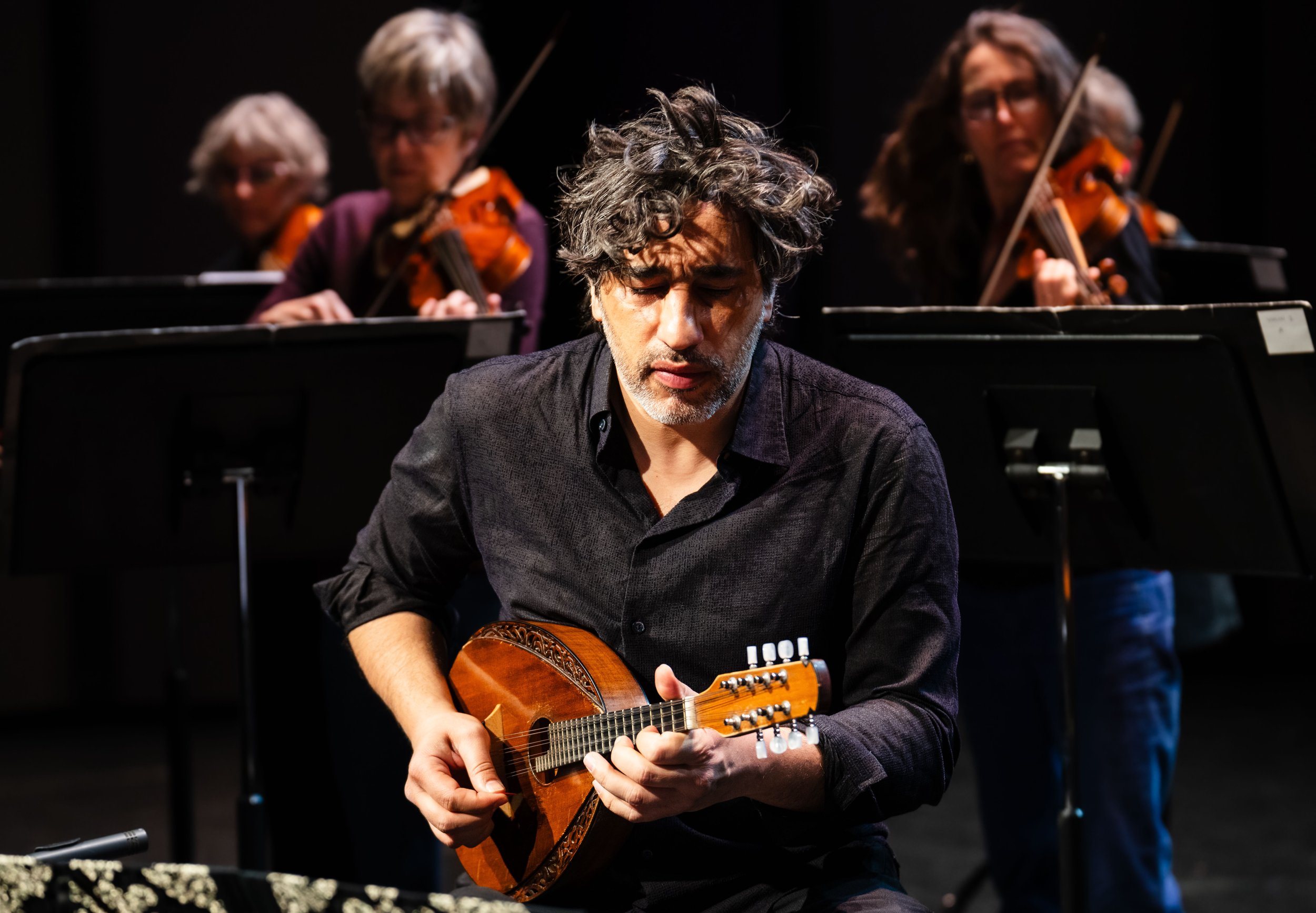
On Sunday, Feb. 22, Grammy-nominated mandolinist Avi Avital and Philharmonia Baroque Orchestra performed a concert at BroadStage as the culmination of a Southern California tour with music by Vivaldi, Bach, Bartók and the U.S. premiere of “Concerto for Mandolin” by Italian contemporary composer Giovanni Sollima. They closed with two encores, a movement from Vivaldi’s “Summer” and Avital’s solo version of traditional Bulgarian folk song “Bučimiš.”
“I think that there should be more young people here, but there are not,” said audience member David Kagan, 46, who attended with Dylan Wordes, 37. “There’s so much intensity in these pieces. It’s modern in a lot of ways.”
“There’s a creative energy that’s unbridled in what happens in this type of music,” said Wordes during intermission.
Wordes and Kagan are both music lovers, especially of metal. They were drawn to the BroadStage concert by targeted Instagram advertisements and seeing Avital’s charisma.
“We were listening to Slayer in the car,” Wordes said, “and it’s the same amount of intensity, it’s just different...The same kind of passion is in this music.”
Kagan loved the energy at the end of the concert. “Explosive,” he said.
“It’s always been my dream to travel around the world playing concerts...I love it and I feel very privileged to do it,” Avital said of his performing career.
“When I play Bach, the encore would always be a crazy folk tune,” he said. “When I play with a jazz pianist or when I play with my Balkan music trio, the encore would always be Bach, you know. So I like this contrast.”
Even after years of being a concert soloist, Avital said many of his audiences hear the mandolin in classical music for the first time when he walks on stage.
In 2013, he signed with Deutsche Grammophon, a major commercial classical record label with whom he has released most of his discography. Avital hoped that a “large authority” would help him validate the mandolin — previously known as an amateur or salon instrument — as a serious concert instrument to the public.
With Deutsche Grammophon, he learned it’s “very healthy” for every musician to listen to what works for their audiences in programming. He said it’s like a dance, balancing his artistic thought process with how audiences will respond.
“I choose very carefully what I play,” Avital said. “Because I know I have a vision of what value it would give the audience … So I think being with a big label, I managed to develop the sensibility to it, to listen more to where, how I can dance to that.
"That said, being a mandolin player with a big label — they really trust me,” Avital said. “They never tell me what to record because they assume I would know better...They give me total artistic freedom. It’s been great to work with them in this sense, I have to say.”
Contemporary and baroque music are his mainstays. Avital has commissioned over 100 contemporary works, including Sollima’s “Concerto for Mandolin.” However, pre-existing classical repertoire for mandolin is scarce. Since the string tuning is identical, Avital most often plays music written for violin.
Bach’s “Unaccompanied Sonatas and Partitas” are a constant, Avital said, especially the Chaconne and the rest of the Second Partita. “It’s the Bible that I carry with me all the time,” he said. “They’re all very challenging obviously on violin, also on mandolin.”
Vivaldi’s “Concerto RV425 in C,” which Avital performed at BroadStage, is one of only a couple of concertos Vivaldi composed for mandolin, while he composed well over 200 for violin, including the popular “Four Seasons” concertos. Avital often performs the complete cycle on mandolin.
“There’s a degree of curiosity from that part of the audience, I feel,” said Avital. “And so I think that’s my relationship with the audience artistically. I can’t imagine myself proposing ... Beethoven, Mozart with piano, with no twist, with nothing that is contrasting.”
“I think everything, everything that you do, I think is about your interpretation,” Avital said.
Before choosing a piece, Avital asks himself why people should listen to it on mandolin, and not the original instrument. Sometimes he doesn’t have a good answer, in which case he doesn’t do it. Other times he reimagines it with new scenery, as he has by transmuting Mendelssohn’s violin concerto with orchestra into one for mandolin and accordion duo.
Music from the Romantic period was composed stylistically for the specific solo instrument and is very difficult to translate to another. Avital said he would never choose to take on a Romantic violin concerto as written.
In contrast, Baroque music is conducive to different instruments while retaining its musicality. “It’s all playable,” Avital said. “It’s thought of for a violin, or for a keyboard, or for a flute and so on.” Its notation welcomes the performer’s embellishment in rhythm, tempo and ornamentation; freedom that was very different from the meticulous markings of 20th-century composer Béla Bartók which often define the exact number of minutes and seconds a piece should last.
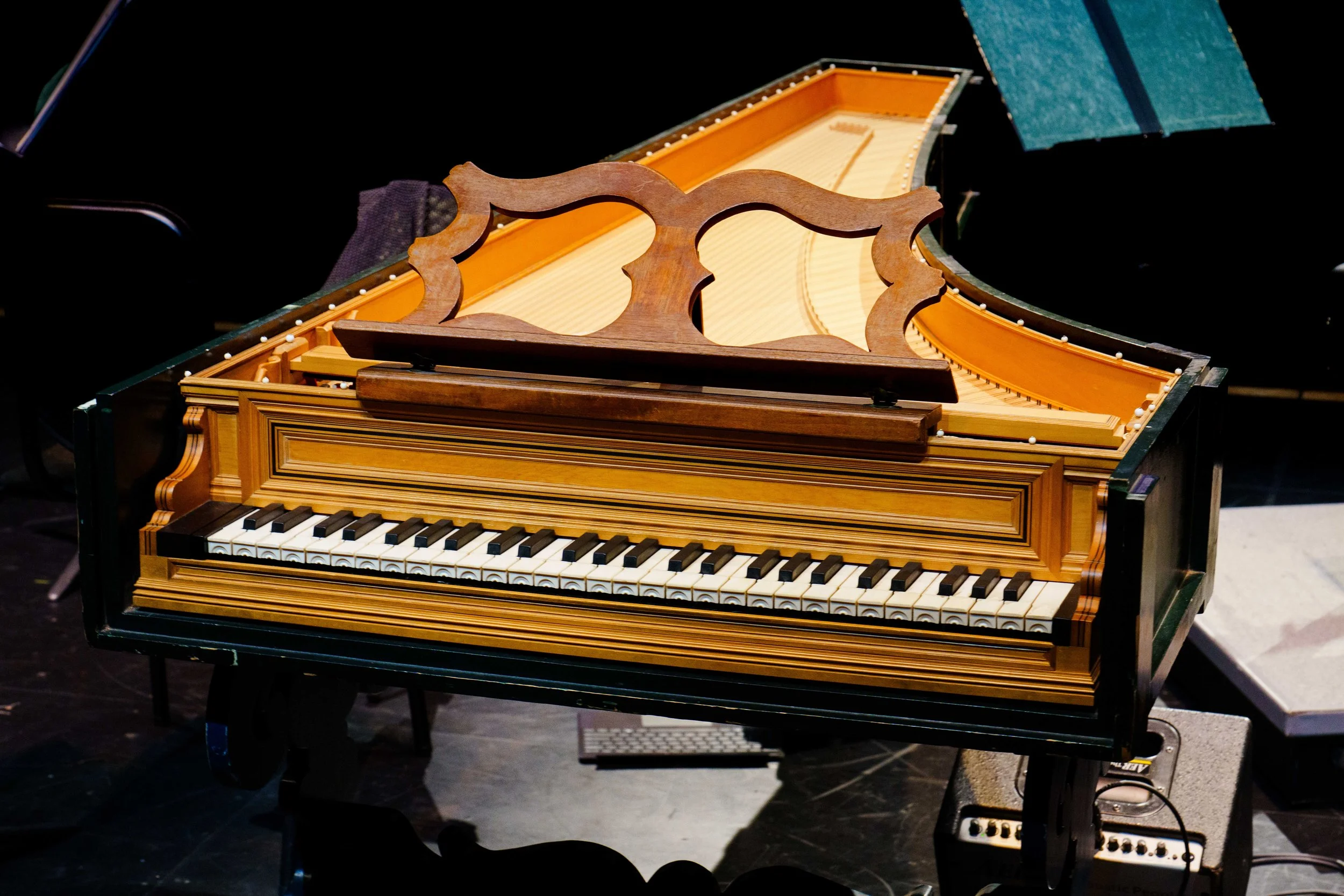
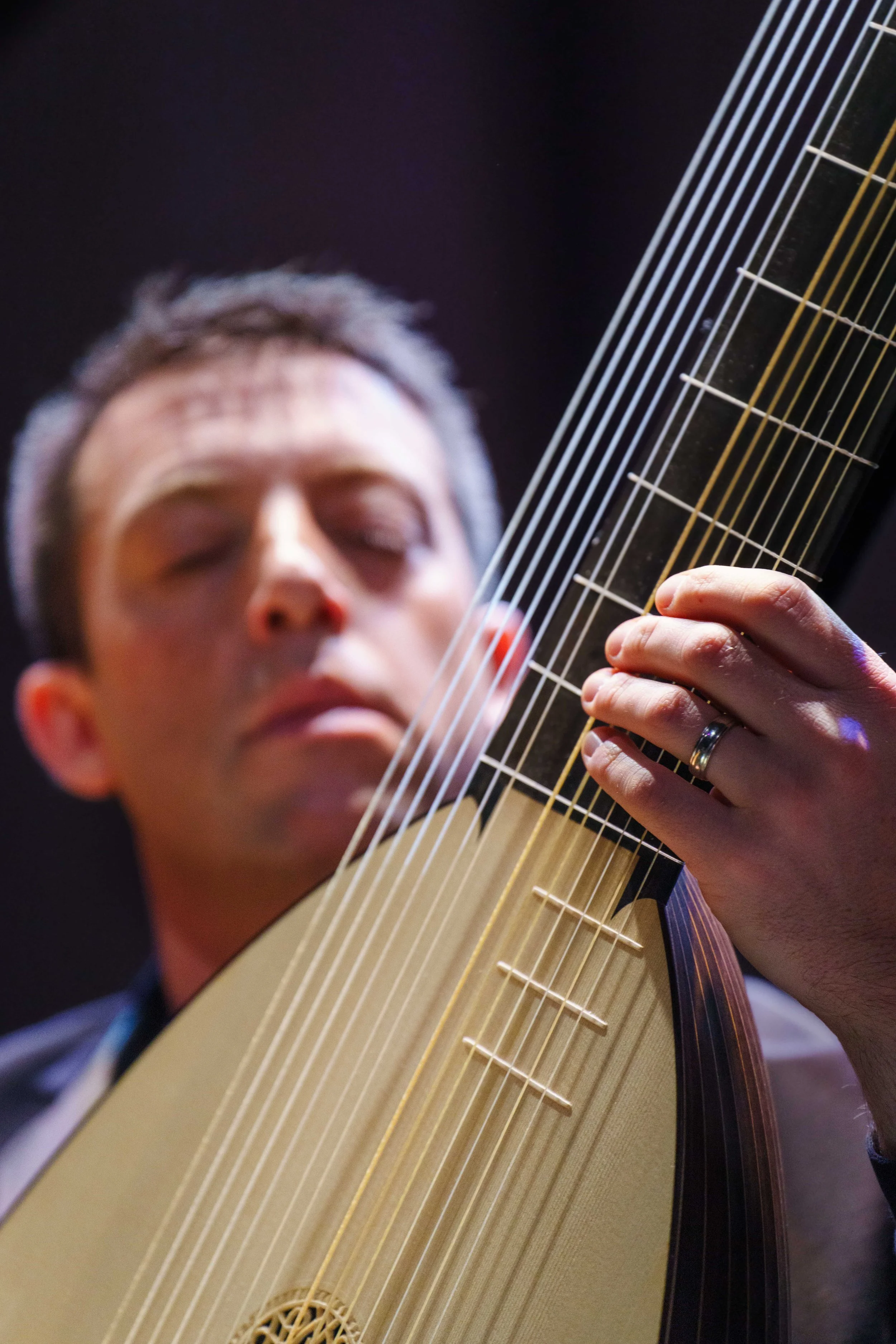
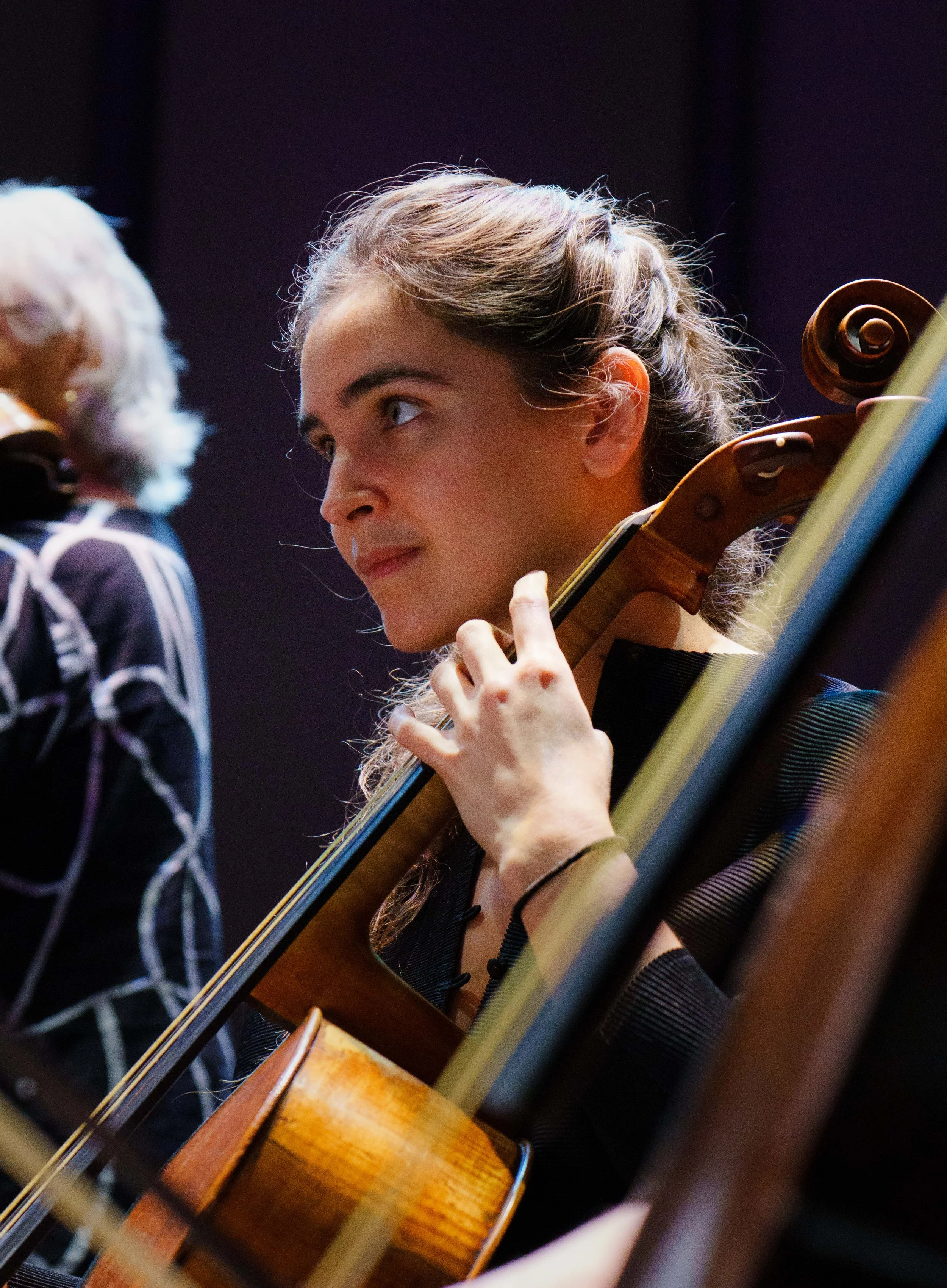
Baroque music has already been heard for over a century on modernized instruments whose characteristics have significantly changed, while the music is still loved by worldwide audiences. The harpsichord evolved into the piano; the wooden flute became metal. Gut strings were exchanged for steel on bowed string instruments for greater projection in large concert halls.
Historically informed performance (HIP) involves playing early music instruments while adhering to the style used during the period the music was composed. It has become a specialized practice that continues to grow in popularity.
One of the leading groups specializing in HIP, Philharmonia Baroque Orchestra and Chorale is based in San Francisco. Their core performers share decades of experience playing on period instruments. They have played together in hundreds of concerts, watching their students come and go, sometimes joining them on stage.
According to PBO’s general manager Isaac Bunch, New York City and Los Angeles still have the largest, most varied performing arts communities. But the two largest centers of HIP are the San Francisco Bay Area, with PBO, and in Boston, with the Handel and Haydn Society.
Not all of PBO’s musicians are local. Some attended the historical performance program at Juilliard and still reside across the country. Three of the eight violinists who were on stage with Avital are currently based in Santa Fe, New Mexico. Several musicians were concerned about returning home to the New York City area during the so-called Blizzard of 2026.
“We used to have a higher concentration of these musicians living here in the Bay Area,” said Bunch. “And because of the high cost of living, they’re no longer able to do that.”
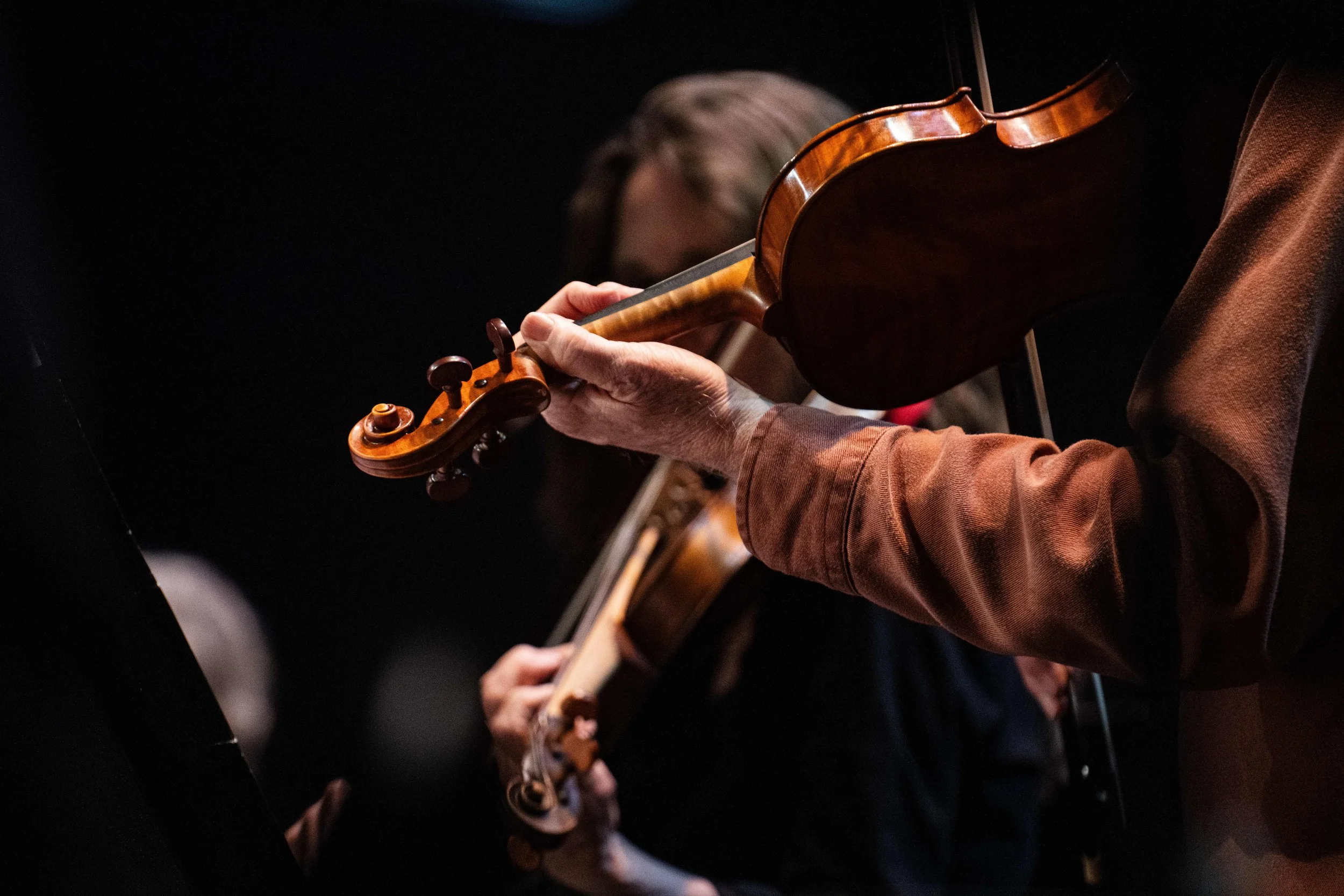
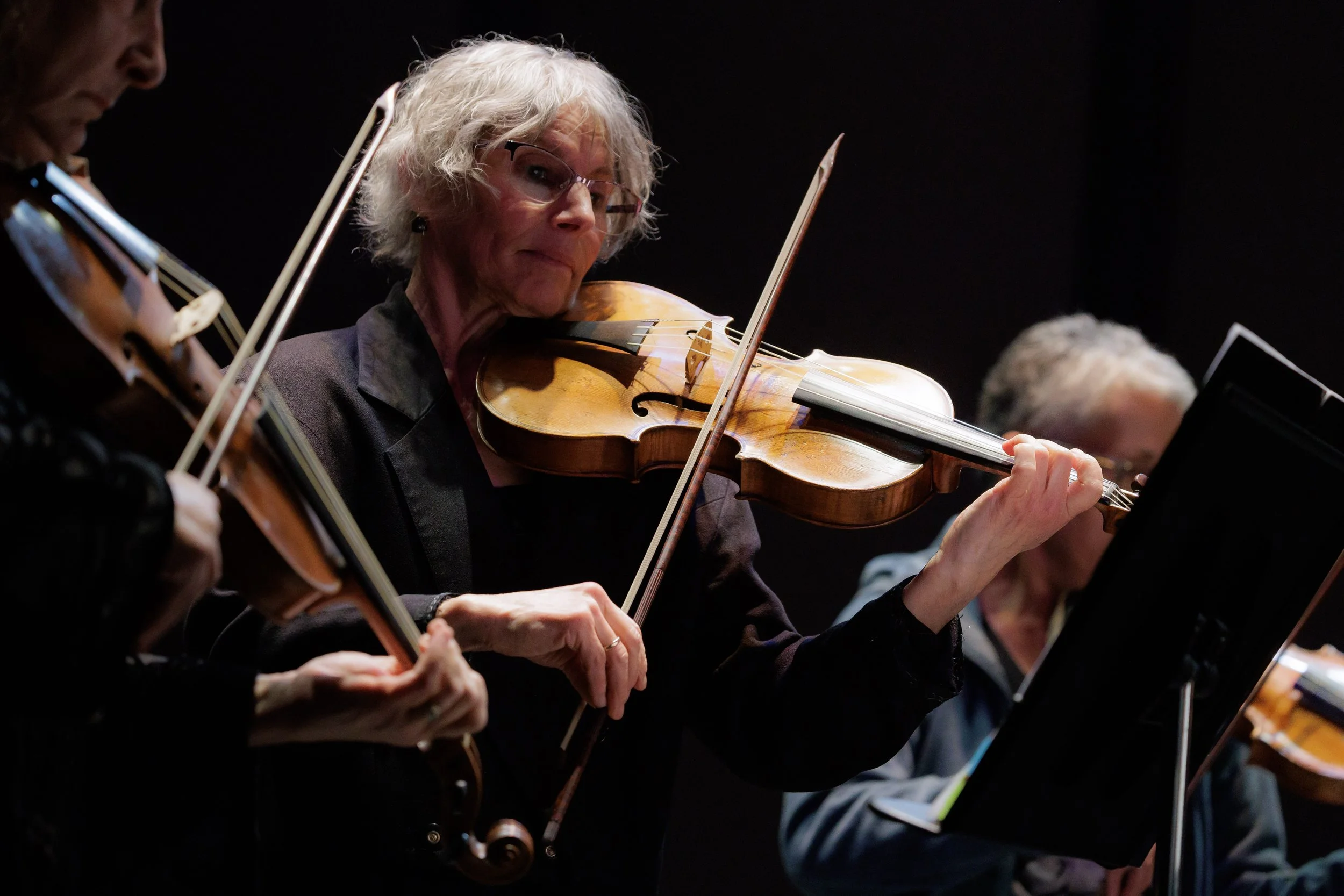
PBO violinist Lisa Grodin plays on a baroque violin and snakewood baroque bow. “The bounce is really different from a modern bow… And these have a lightness to them,” Grodin said of the bow. “And a gracious quality… The huge variety of articulations [teach] you a lot about the music itself, and hopefully kind of draws the listener into it in a different way.”
Avital created the program for their week-long tour including the U.S. premiere of Sollima’s concerto and culminating in the performance at BroadStage. “We knew that the BroadStage is an intimate concert hall with its top-class acoustics that work really well for what we do as a baroque orchestra,” Bunch said.
On working with Avital, Bunch said, “He’s really focused on keeping phrases moving and making sure that you’re not stagnant in your dynamics.”
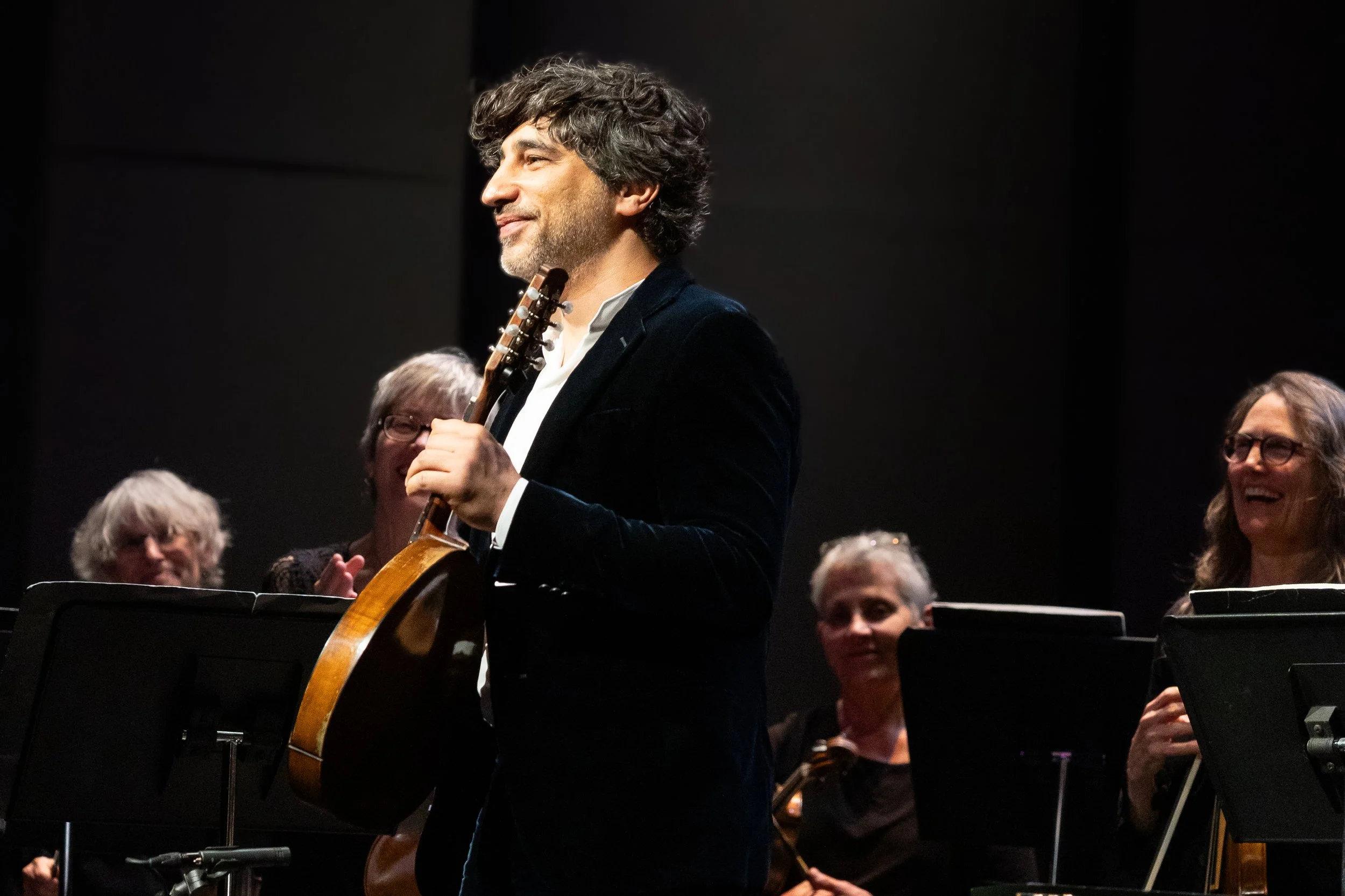
Avital doesn’t play on a baroque mandolin.
Avital first picked up the mandolin, his first “real instrument that wasn’t a toy,” when he was eight. He had seen his neighbor play in a youth mandolin orchestra led by a violinist from the local music conservatory. Drawn in, he wanted to have the same fun he saw they were having.
“There's something very friendly about the mandolin,” Avital said. “It's very immediate. … Every kid that sees the mandolin or even a violin, they pluck it, you know, and you make sound.”
Frets on plucked instruments made it easier to play in groups without worrying about being in tune. “Forty 8-year-olds playing together on violins wouldn’t sound so good,” said Avital. “But with mandolins you have the frets … It sounds in tune, and so it’s satisfying. It’s very quick to learn it.
“Like the guitar, the ukulele, you see it all over the world universally...The bow is a much more evolved concept to make sound than the string that you pluck,” said Avital, who had been taught mandolin for years by a violinist.
Before recordings were widely available, people had to make music themselves. By the 19th and early 20th centuries, mandolins were popular social instruments for those coming from the same workplace or social circles. There were mandolin orchestras and clubs where people played strictly for leisure.
“The mandolin always had this character, being amicable,” Avital said.
“It's an after-work instrument,” he said. “You don't have to practice for that. I have to practice for what I play. But for playing these kinds of arrangements together, you don't have to practice all day.”
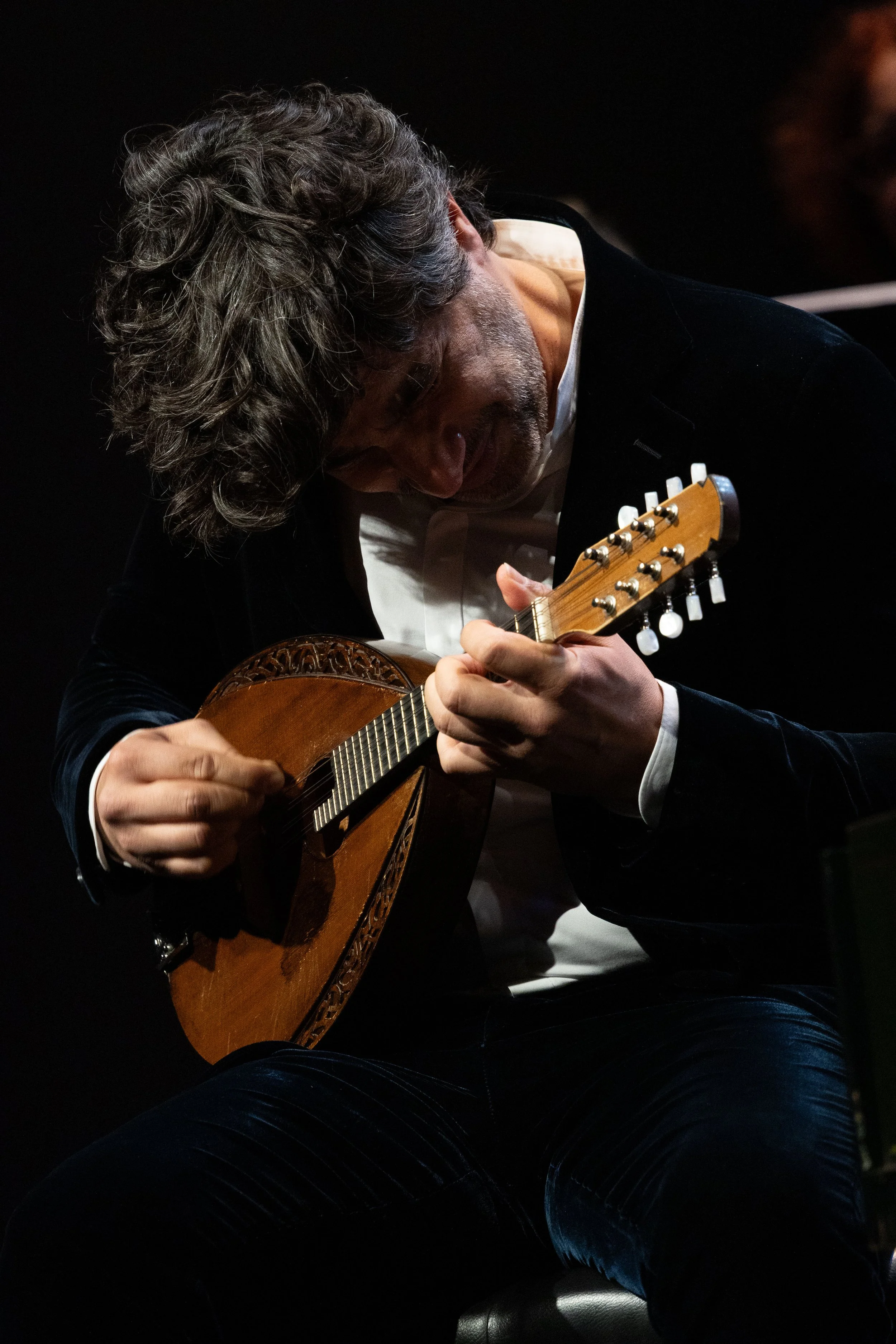
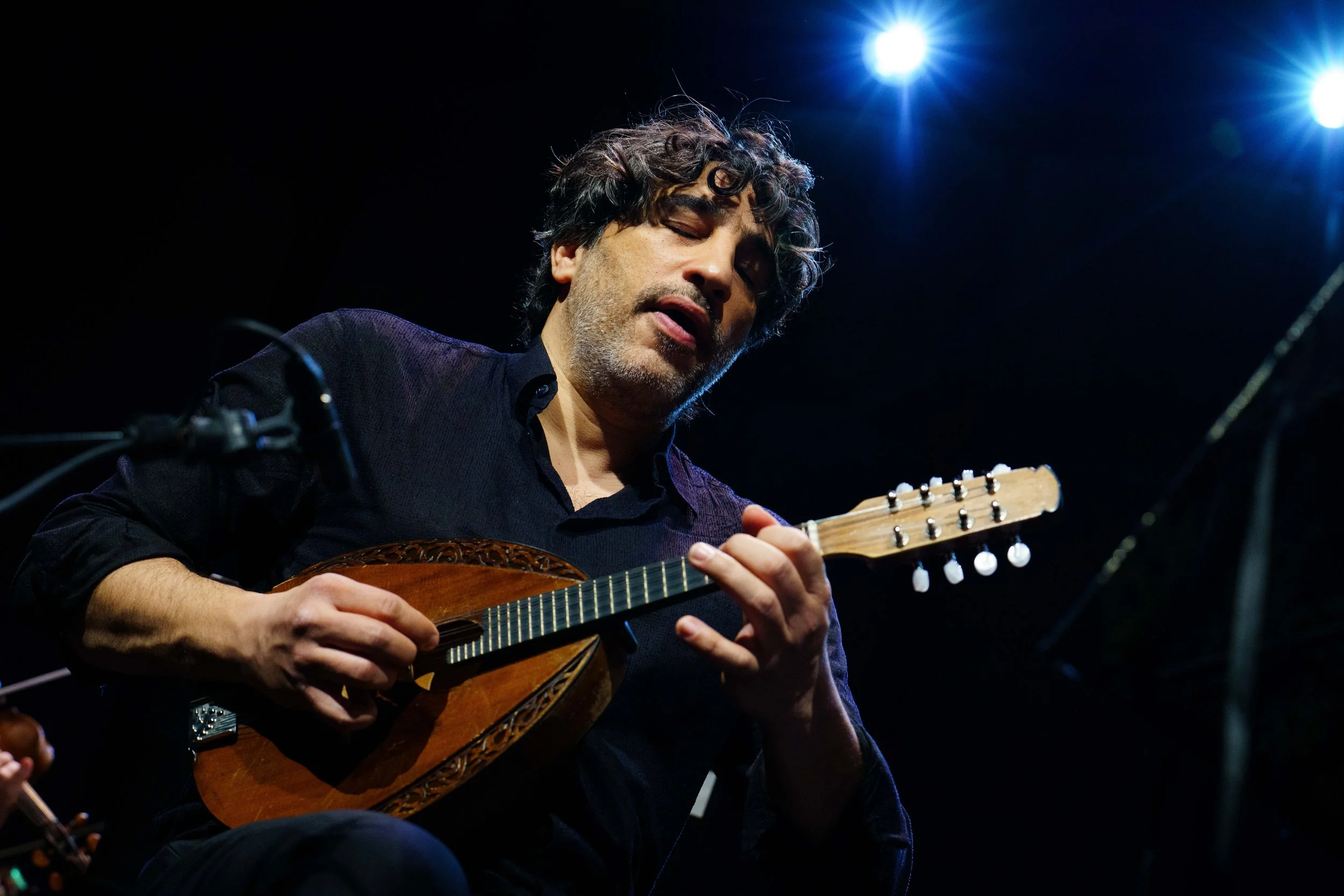
Avital’s mandolin was made by Israeli luthier Arik Kerman, who specializes in creating mandolins that sound louder and exude more power for the stage. Avital worked with Kerman for years to design one that would “sound amazing in a big concert hall in the 21st century.”
“He’s really not following any tradition,” Avital said of Kerman, whom he calls “an acoustic genius.”
Avital’s focus prioritizes musical rhetoric over historical practice, partly because solo mandolin repertoire was not written at the time. An earlier instrument could not have physically withstood his style of playing. “The mandolin would break,” he said.
Instead, he believes every composer’s intention, regardless of the era, is to generate an experience for the current audience whether for the 17th century or in 2026.
“If you see visual art, if you see photography, if you see a painting, an abstract painting, you interpret it in your head,” Avital said. “If you see a Rothko painting, there is some kind of emotion that you feel...is this the same emotion that Rothko intended you to feel?”
It also compares to literature. “We would both experience the experience of a book. But if we draw how we think it looks, it would be different in your mind and in my mind...We can both read...a scene from ‘Anna Karenina’ and imagine it completely different, but the experience we have is the same, or more or less the same,” he said.
“What kind of experience, emotion, tension, release, did the composer intend? And from the text it has, it’s constructed...you have tensions and releases and surprises, and all kinds of emotions evoked from this kind of composing,” Avital said.
To him, it is a recipe that requires the musician’s imagination. “The text is like the book, the composition is like the recipe,” Avital said.
“Like the most amazing secret recipe...It’s how you interpret it and bring it to life, that’s our role as musicians.”