
LA County Metro Board approves K Line northern extension with some caveats
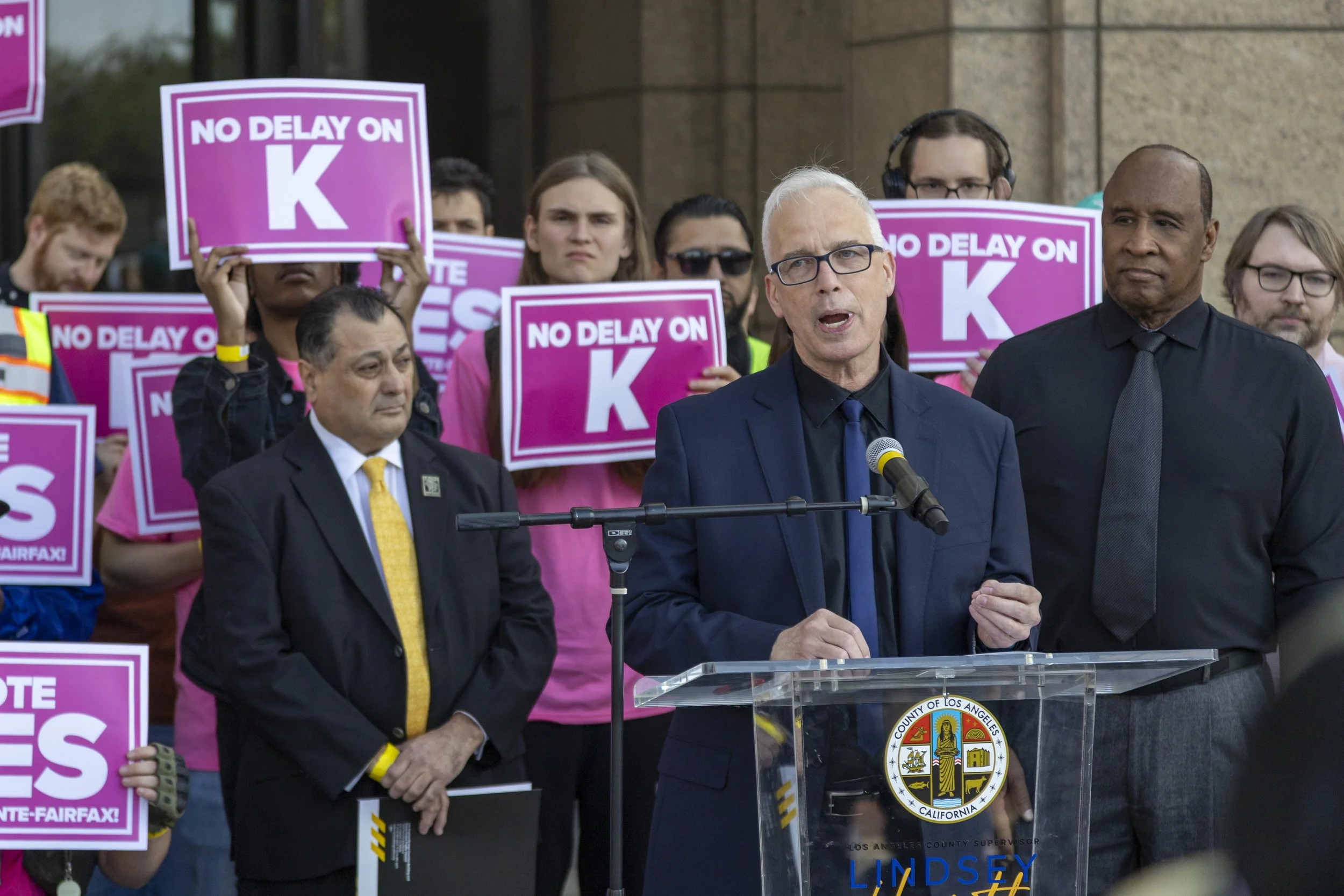
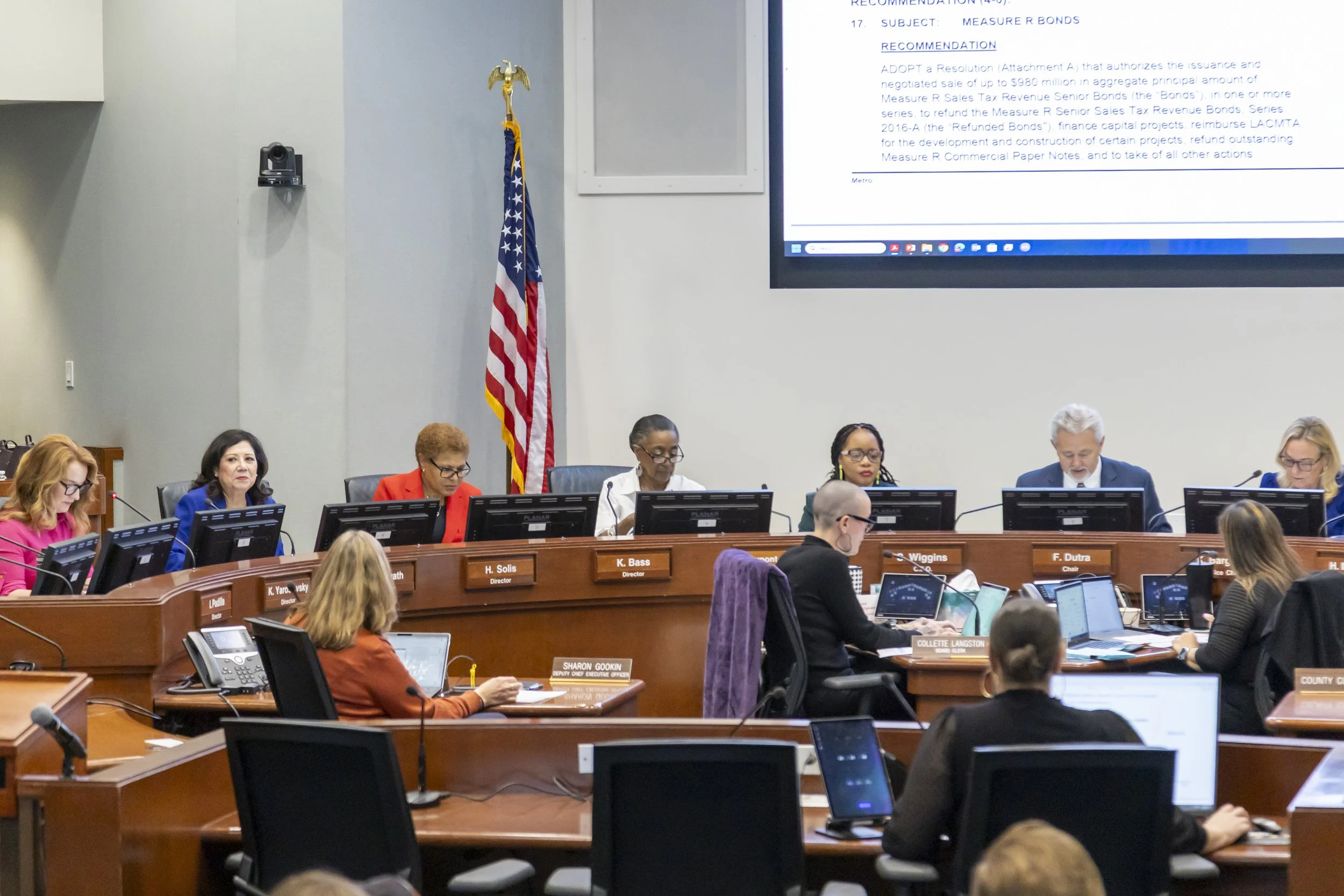


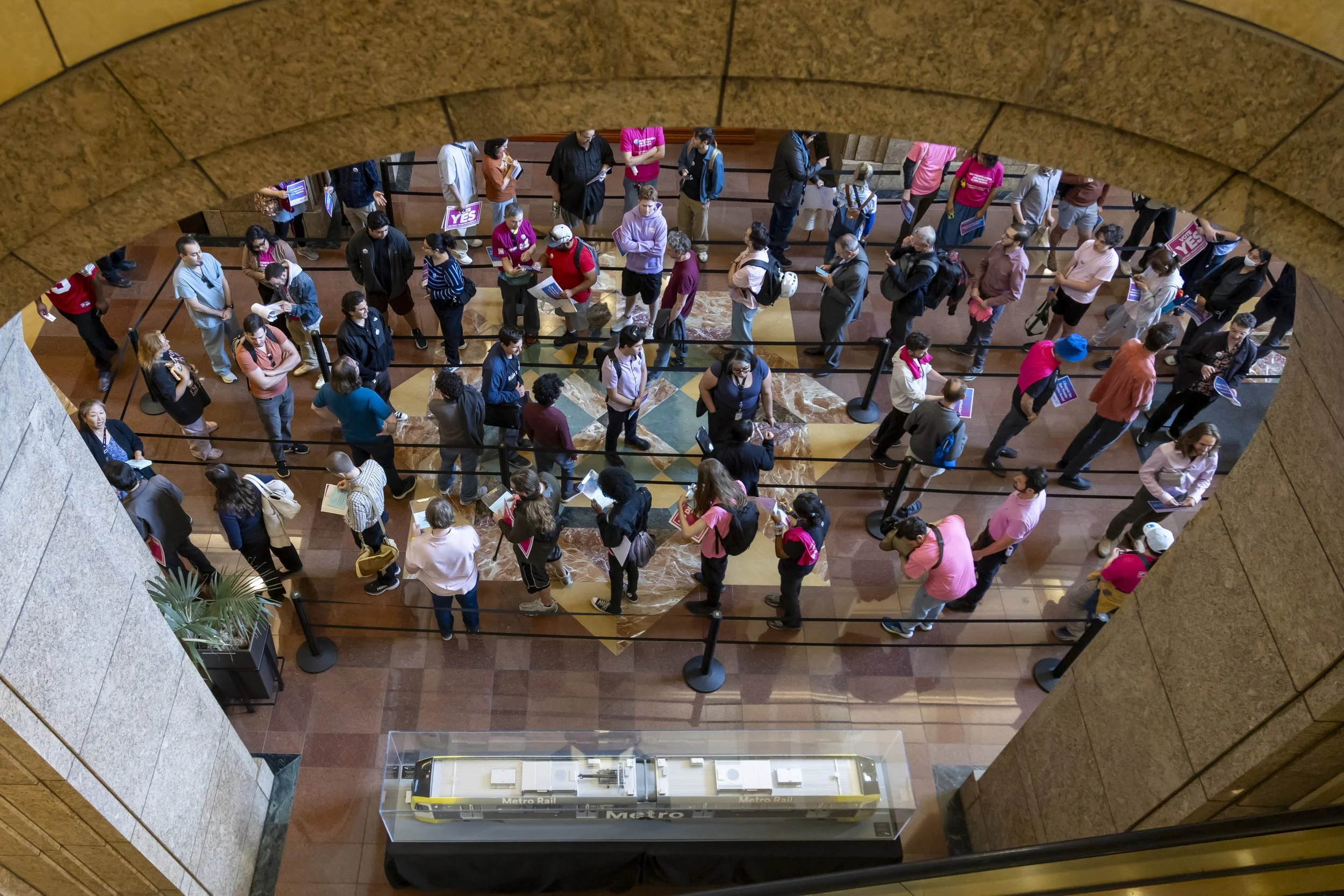

The Los Angeles County Metropolitan Transportation Board of Directors voted unanimously to approve the K Line northern extension with an amendment on March 26. The approved K Line expansion route will extend the K Line from its current terminus at Crenshaw/Expo Station through West Hollywood to the Hollywood Bowl.
The project would add 10 new stops along 10 miles of underground rail, and will cost upwards of $10 billion to complete, according to Metro’s draft Environmental Impact Report. The project's start date and opening date are currently unknown.
The amendment attached to the motion mandates an additional 12-month study to be conducted by an outside third party before publishing the final Environmental Impact Report. After that, construction can begin.
Los Angeles Mayor Karen Bass explained at the meeting that the amendment represented a compromise between the county and residents who voiced their complaints about the potential impacts of the project.
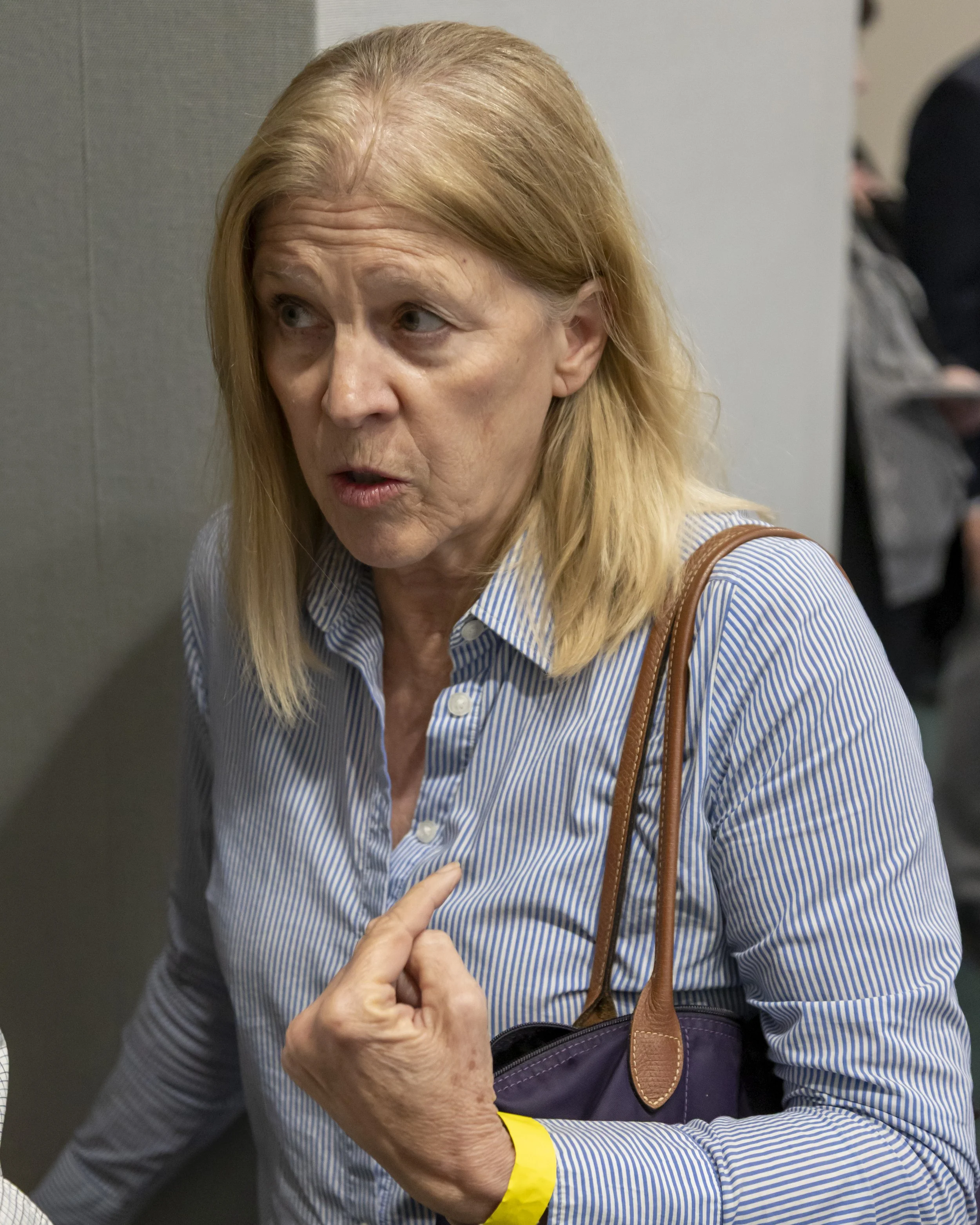
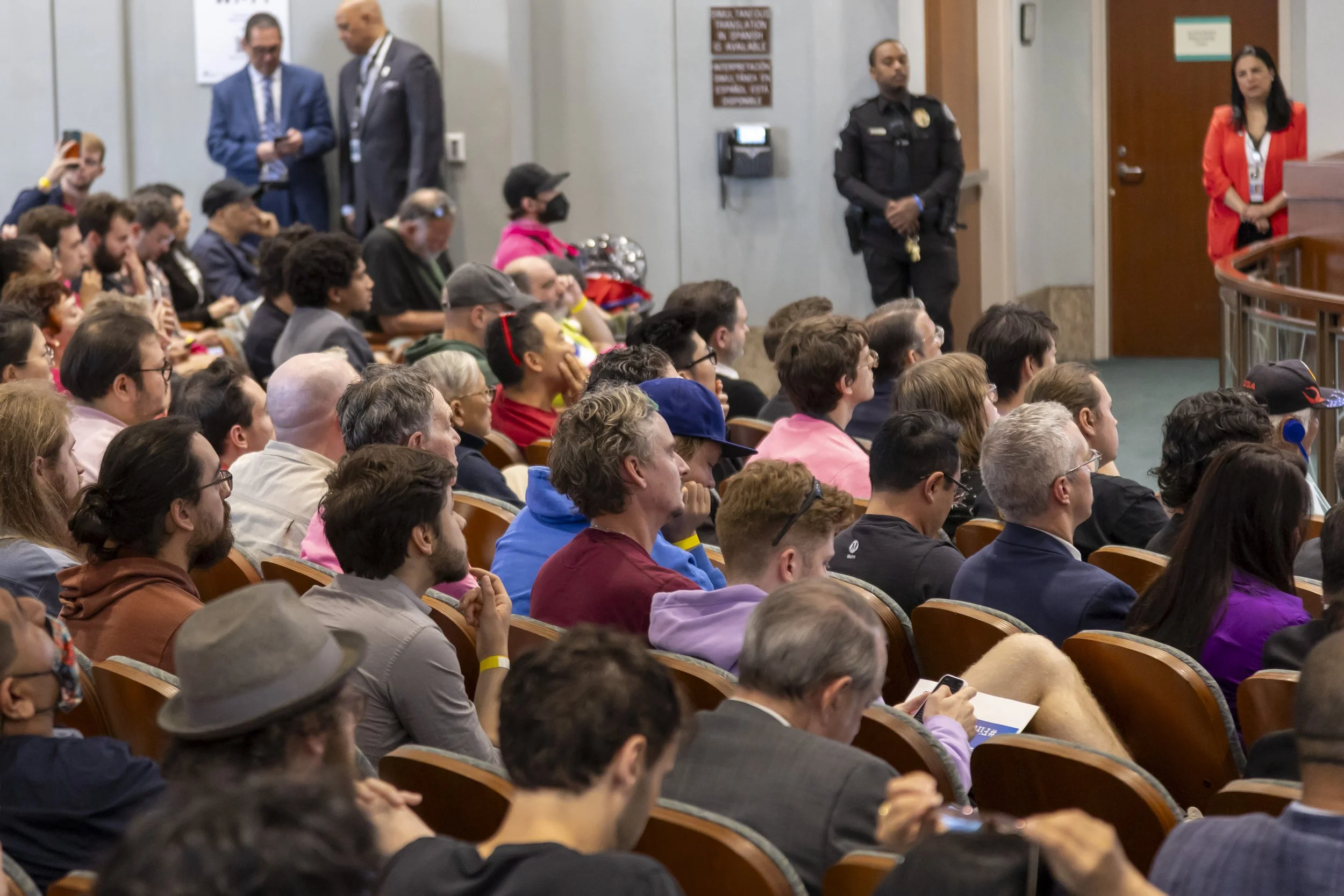
During the meeting, the majority of residents who raised issues with the extension were from the neighborhood of Lafayette Square. Many L.A. County residents said they feared property devaluation, safety impacts and vibrational disruptions from tunneling.
“Tunneling the Metro K Line, underneath historically protected structures, risks irreversible damage and construction pollution that could permanently harm homes and the environment,” said Summer Hughes, a Mid-City resident.
Metro has refuted the claims, citing agency documents. According to a 2025 Metro property consideration report, property value increases with proximity to rail access. “In Los Angeles, between 2012 and 2016, home prices in the 0.5-mile transit area increased by 61%, which was 8% higher than in non-transit areas,” the consideration report states.
Additionally, Metro created a tunnel safety report to ease residents’ worries about vibrational disturbances from construction and rail operations. “Based on current analysis of soil conditions, tunnel depths and tunnel design, construction and subway operations would not be perceptible to people above or near,” the safety report on K Line northern extension tunnel alignments states.
County Supervisor and Metro Board of Directors member Lindsey Horvath, who has advocated for the K line extension for years, said that besides being proof that advocacy works, the addition to the transit system is a “game changer,” bringing jobs and much-needed alternate transit options to the broader region.
Bass and Horvath authored the amendment promising that Metro would spend up to an additional 12 months carrying out an additional safety and impact study. Horvath said that while most people trust Metro, she’s hoping that an additional study from an independent contractor could help ease residents’ concerns regarding the project.
“We know that every alignment Metro has advanced has not had 100% community agreement, and while we might not be able to achieve that, I do think it's a goal worth pursuing to let people know we're engaging in good faith,” Horvath said.
If the additional third-party study does not ease residents’ fears, the project will continue, according to the amendment. The study “shall in no way impede or delay any current efforts to expedite or advance the project, but shall be a means to get people where they need to go and put Metro in a position to be a trusted neighbor,” the amendment states.
Besides environmental concerns, the amendment also spotlights the historical impact that public construction has had on predominantly Black and Latino neighborhoods, and the caution needed to prevent repeating past mistakes. Historically, “major transportation projects have inflicted deep trauma on communities of color by dividing neighborhoods, displacing residents, and, in some cases, erasing entire communities from the map,” the amendment states.
During public comment, one resident rejected the amendment's equating the destruction of Black and Latino neighborhoods by highway construction — such as the Interstate 10 — with the construction of a Metro subway.
“Comparing the underground subway to Sugar Hill's destruction at the hands of the freeway area is disgusting and deeply offensive to the men who lost their pieces of L.A.,” a public commenter said.
Multiple Mid-City residents cited the relocation of the Midtown Crossing Shopping Center as a major concern for the project. One resident said that without the CVS and Ralphs, they would have no way of accessing fresh food or medicine in their neighborhood.
Another resident who said they lived across the street from the shopping center said that the relocation of the shopping center should not be a reason to delay such a large and beneficial project.
Sprouts, another grocery store, is a seven-minute walk away from the shopping center, according to Google Maps. The Pharmacy Depot, a locally owned pharmacy operating in Mid-City since 2003 — according to the store’s Yelp page — is an eight-minute walk down the street, Google Maps states.
After public comment, the Metro board approved the amendment to conduct an additional year of study for the K Line. As of 2020, Metro has spent around $50 million on studies for five potential extension routes.
In addition, the K Line motion promises that Metro will work with the owner of the Midtown Crossing Shopping Center to “relocate the supermarket at an alternate location on acquired property adjacent to the construction site, prior to the start of construction.”
Initially, Metro planned to start the project in 2041, using funds from Measure M and Measure R. Thirty-five percent of revenue generated from these two half-cent sales taxes provides funds for all Metro projects, according to Measure M.
Measure M requires cities wishing to build a Metro line in L.A. County to provide 3% of the project funding, known as the “local match.” West Hollywood offered to finance 25% through the city's recently passed Enhanced Infrastructure Financing Districts, to move the project’s start date ahead of schedule. With an additional study now approved, the actual start date remains unknown.
Combined, West Hollywood’s 25% plus funds from Measure M and R add up to roughly 50% of the project's budget.
In prior years, Metro has received up to 50% of its project budget from the Federal Transportation Administration’s Capital Investment Grant program. Metro has successfully used this program to fund the D Line, the Regional Connector and the East San Fernando Valley Light Rail.
According to Bass, once the K Line is completed, it will become the highest-ridership light rail line in the country, carrying nearly 100,000 riders a day from the South Bay to the Hollywood Bowl.
Los Angeles residents and rail enthusiasts will have to wait until the third-party study is completed and Metro publishes its final Environmental Impact Report in the coming years for more details on the extension, according to the amendment.
Metro’s next regular board meeting will take place on Thursday, April 23, at Metro Headquarters above Union Station.