
Garden & Grow
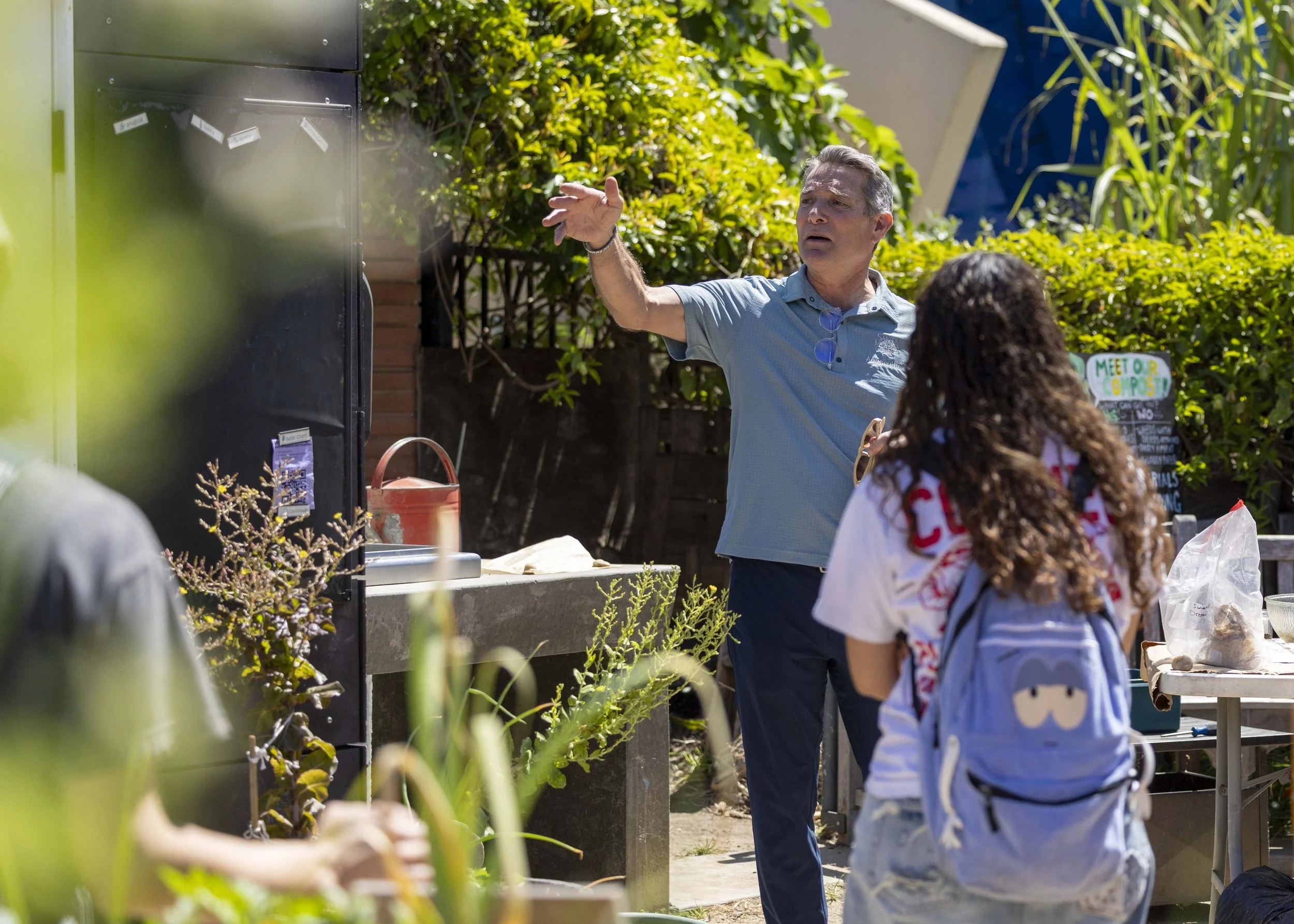
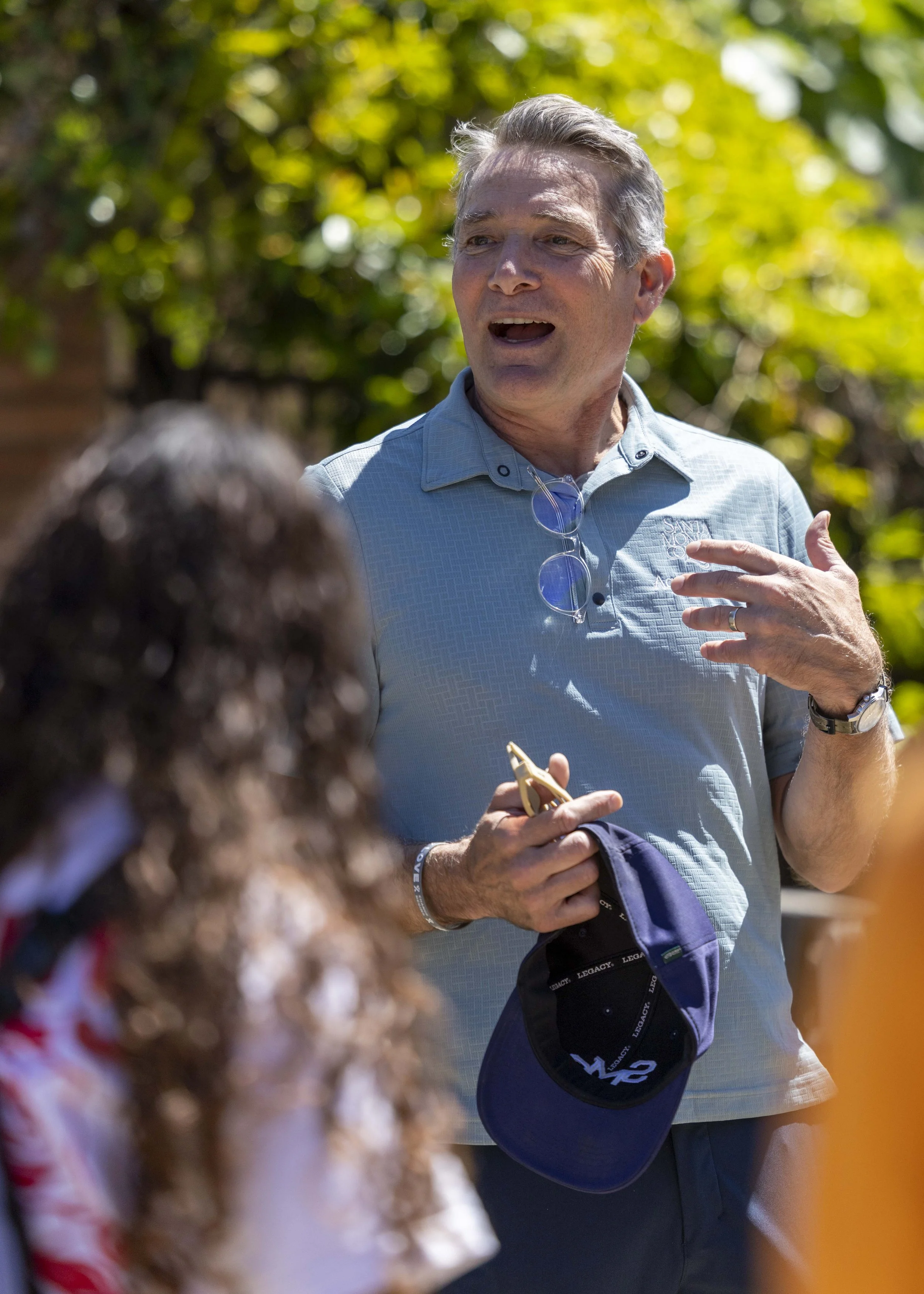
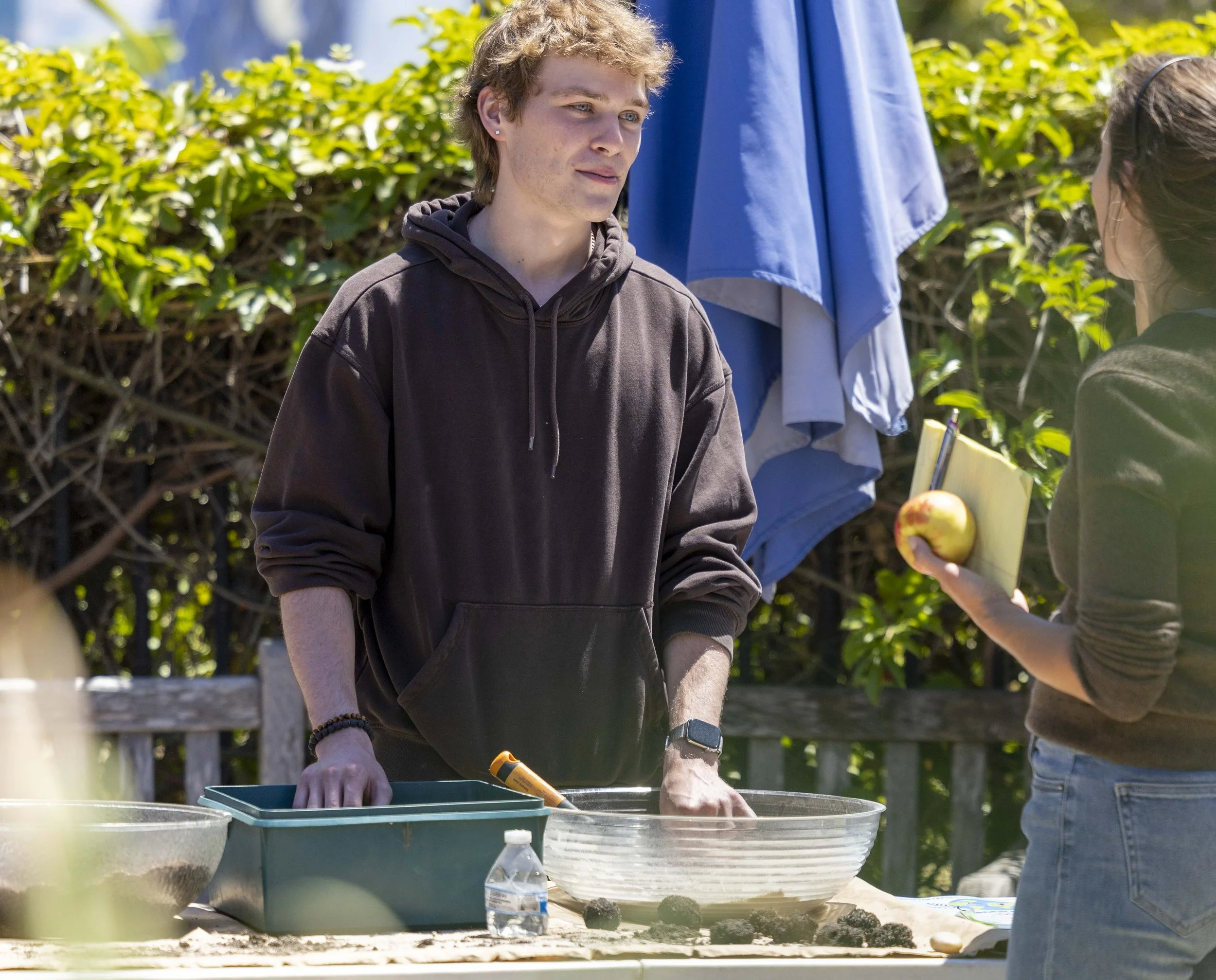
Santa Monica College’s Club Grow hosted Garden & Grow on Wednesday, April 22, featuring workshops on how to start a garden and make seed balls. In honor of Earth Week, the club celebrated community growth through sustainable planting, encouraging people to take home and grow something new.
The event, held at the Organic Learning Garden at SMC’s main campus, began with a welcome introduction, followed by the student members teaching gardening basics, discussing the various organic seeds available and demonstrating the steps to successful planting.
Garden student member Ed Nah began his seed-planting workshop with gardening and composting tips. He explained which nutrients are in different kinds of dirt, compost, and seed-starting mix, and how each will help seedlings grow. “Since we’re in California, we have to consider its diverse weather environment and how it’ll affect the compost — all must be taken into consideration,” said Nah.
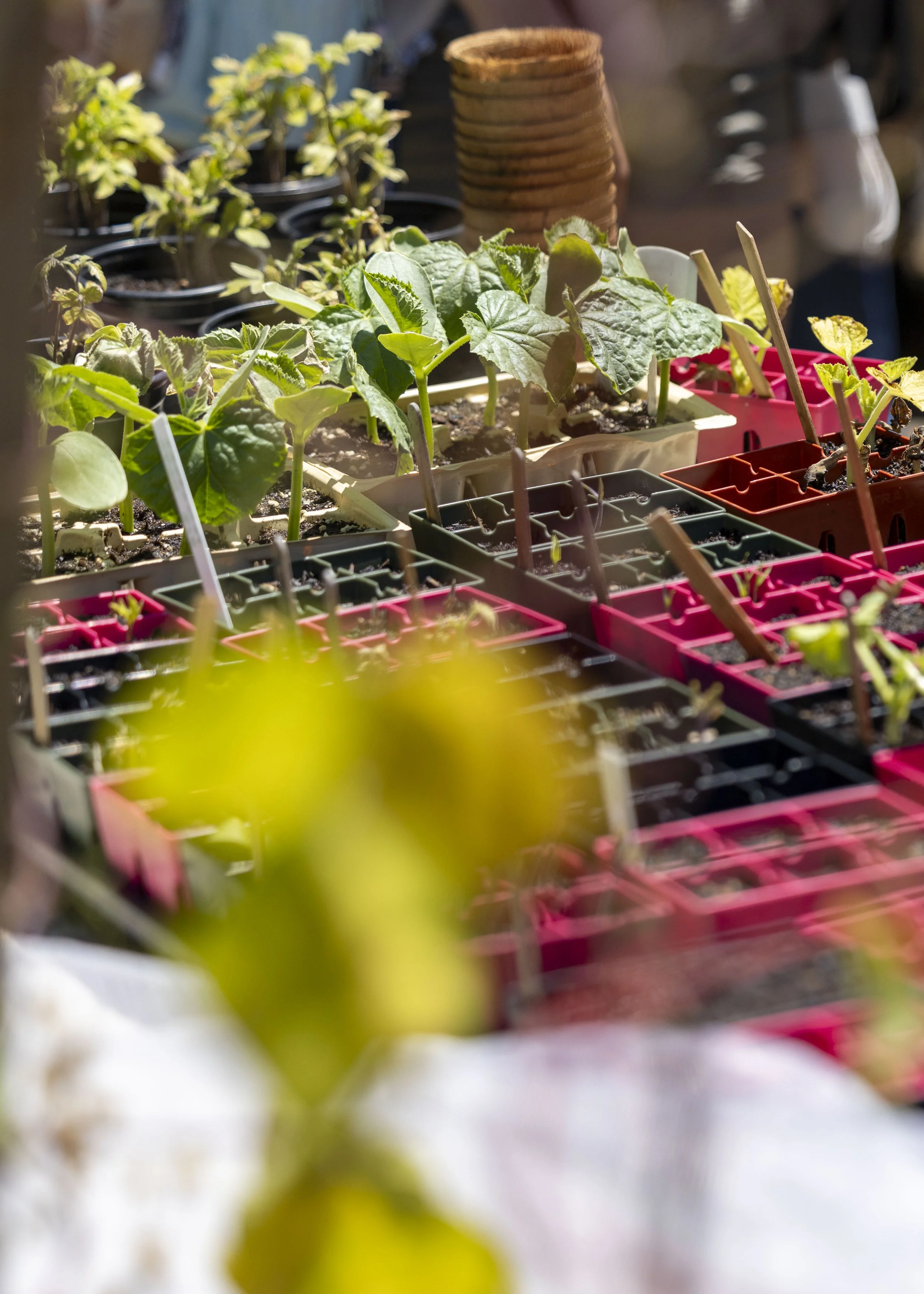
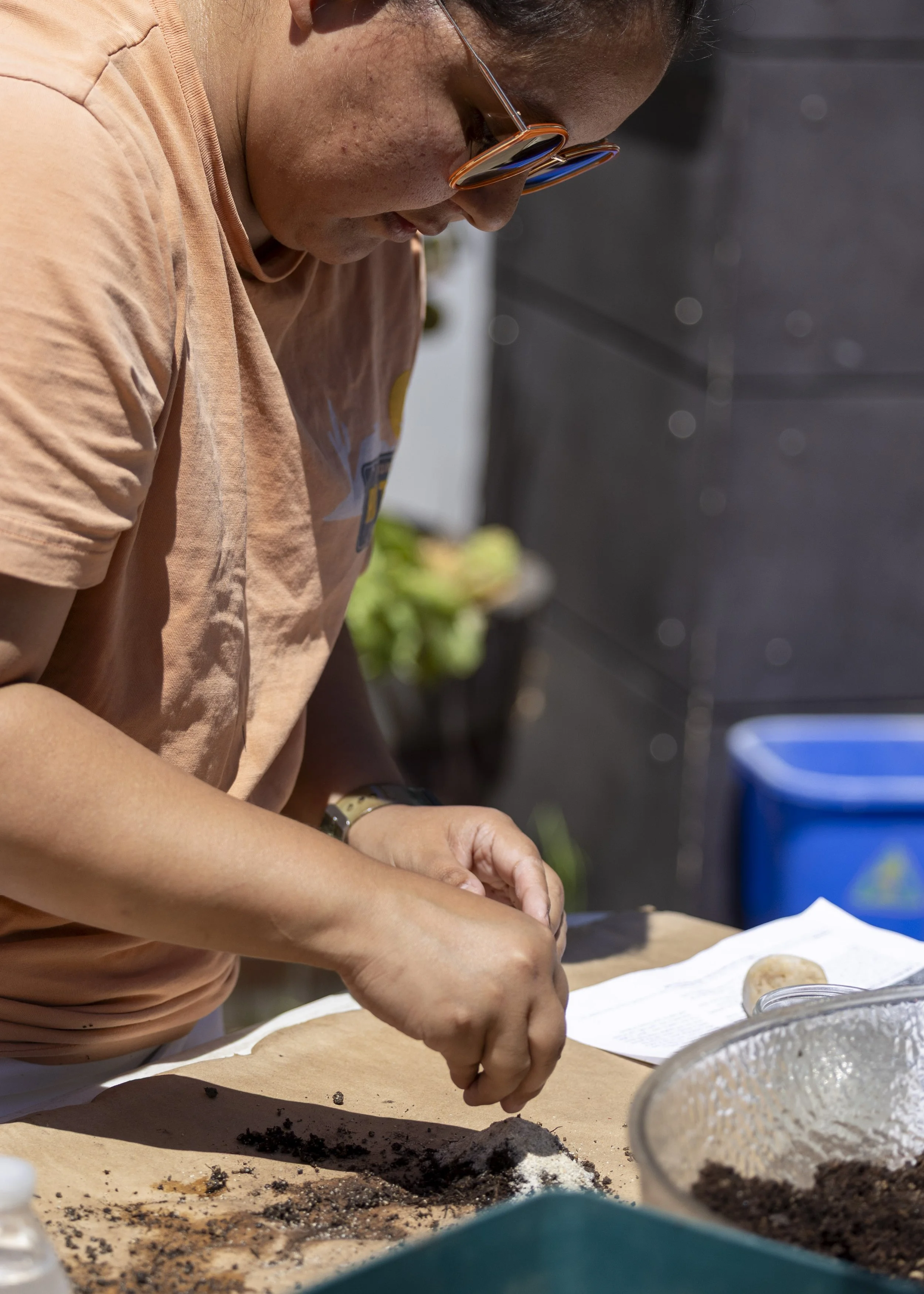
He then performed a short demonstration on how to plant scotch bonnet peppers. Nah began with a sifting process using seed-starting mix to remove any large particles. Afterward, the material became much finer, increasing the chances of successful growth. One should make a hole to put the seed in. “I just kind of eyeball it–depending on the size of the seed,” said Nah
In the small pots, seeds will last at most four weeks. “Roots will want to grow more, so after four weeks you’ll want to transfer the seed to a bigger pot.” He also warned attendees to be aware of pests and bugs that may feed on plants.
Nah also emphasized the importance of maintaining “consistent germination” and keeping the soil properly watered. “Water it every day until you see sprouts coming out — keep it moist, not drenched.” Nah said that gardening is a learning process. “It’s a balance you have to get yourself… the more time you spend gardening, the more mistakes you make. Keep gardening and then you’ll be more likely to get a nice balance with the process,” he said.
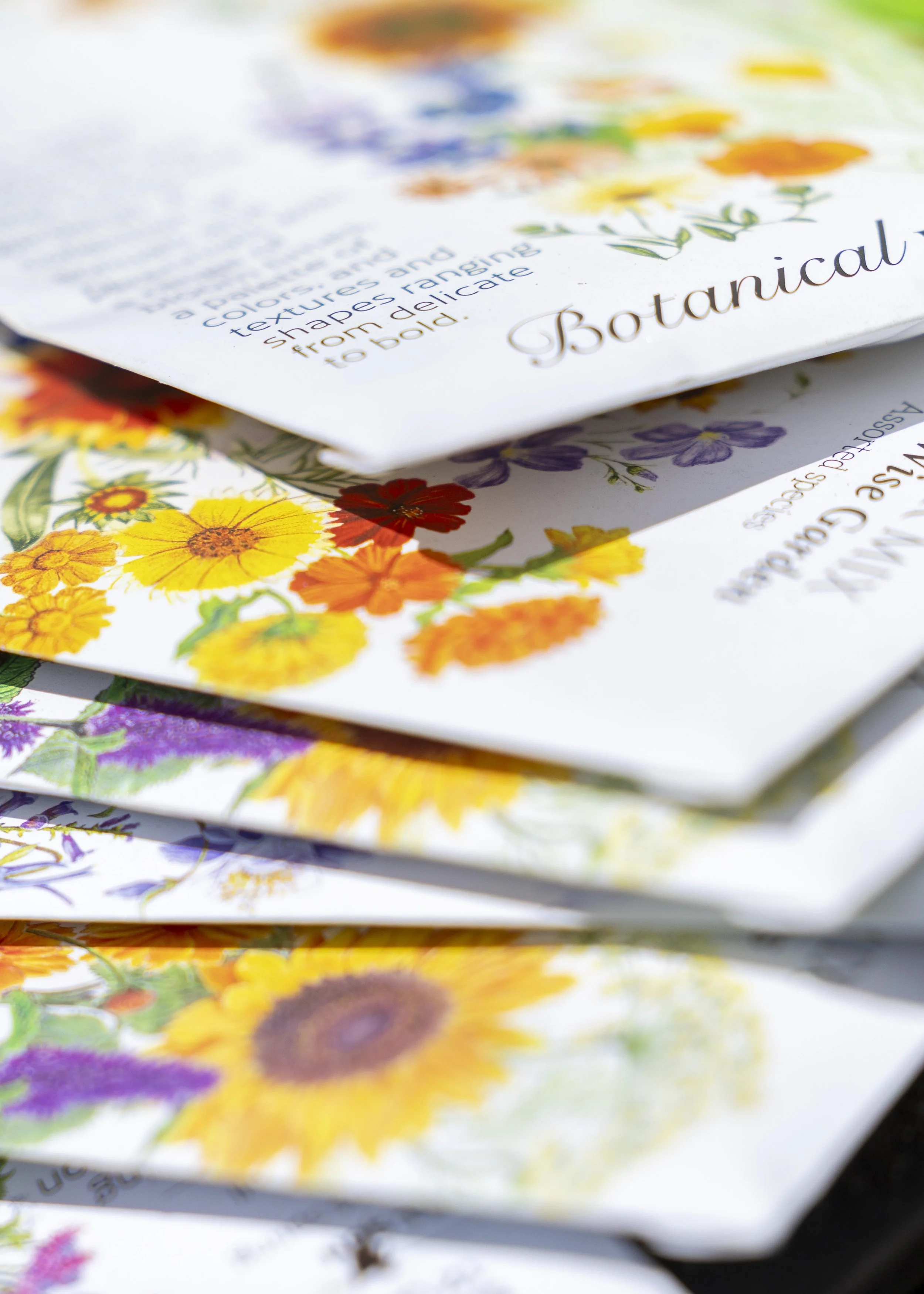
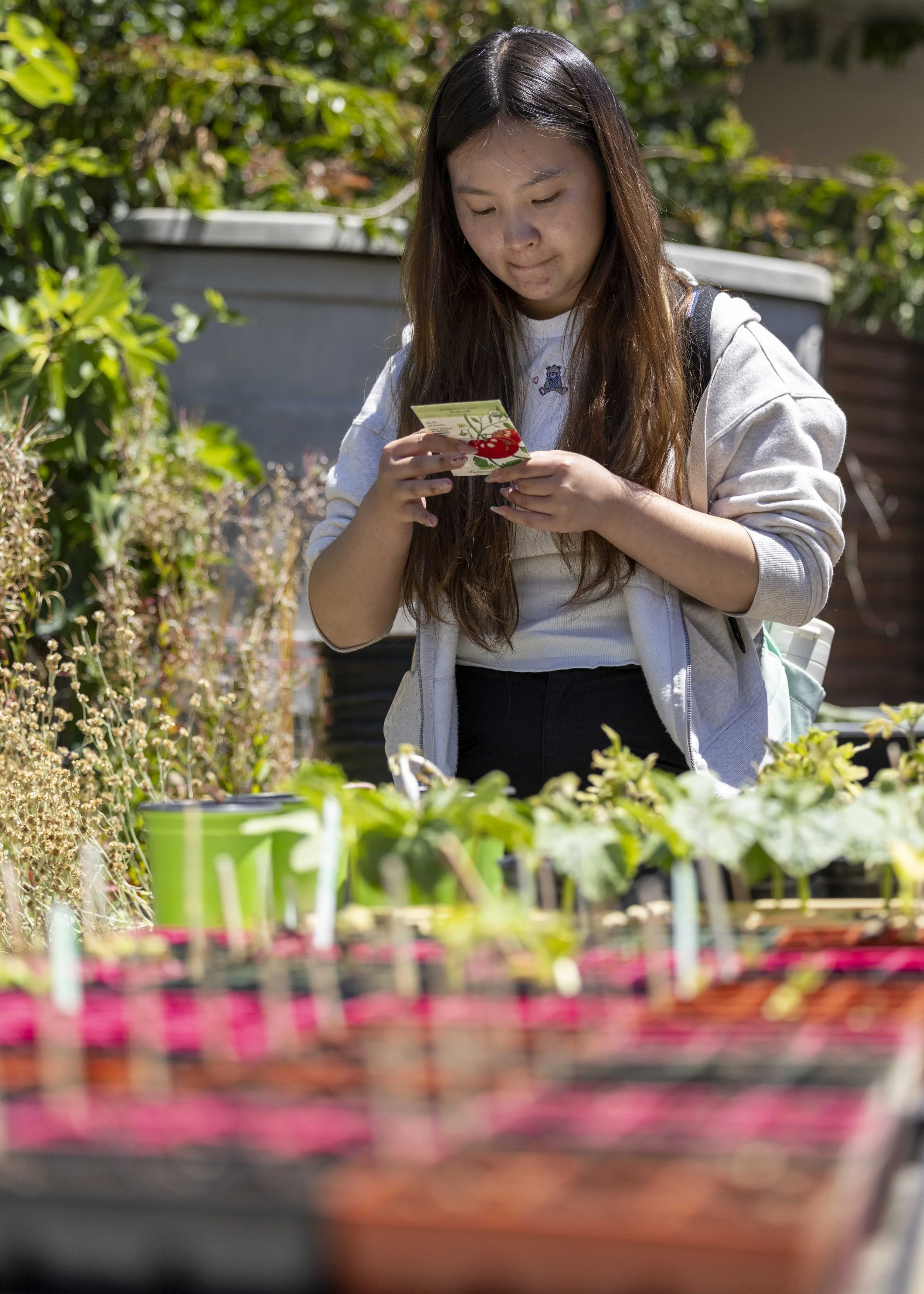
After the demo, attendees could choose in-season seed packets, which included purple tomatillos, traditional and oriental basil and more.
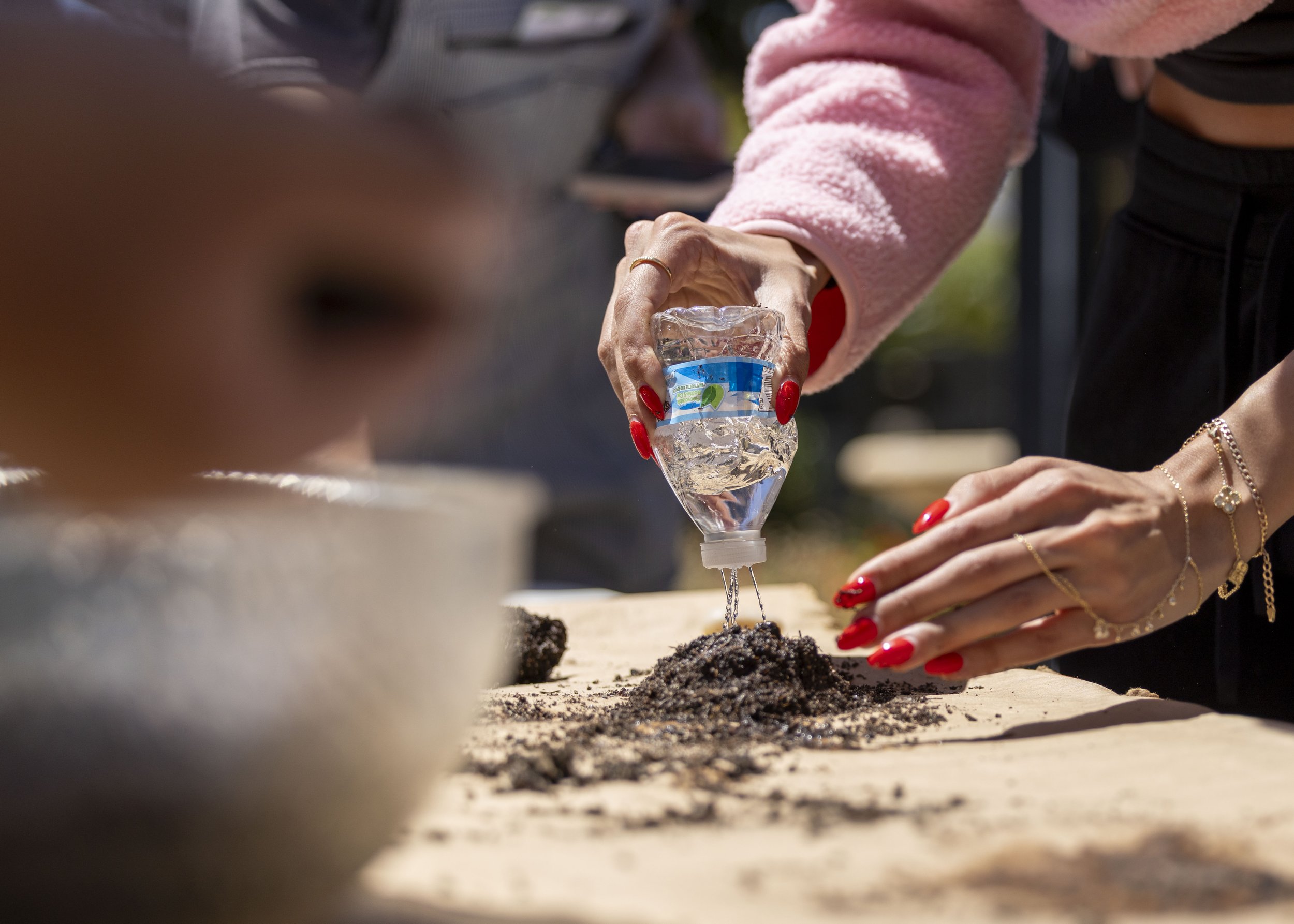
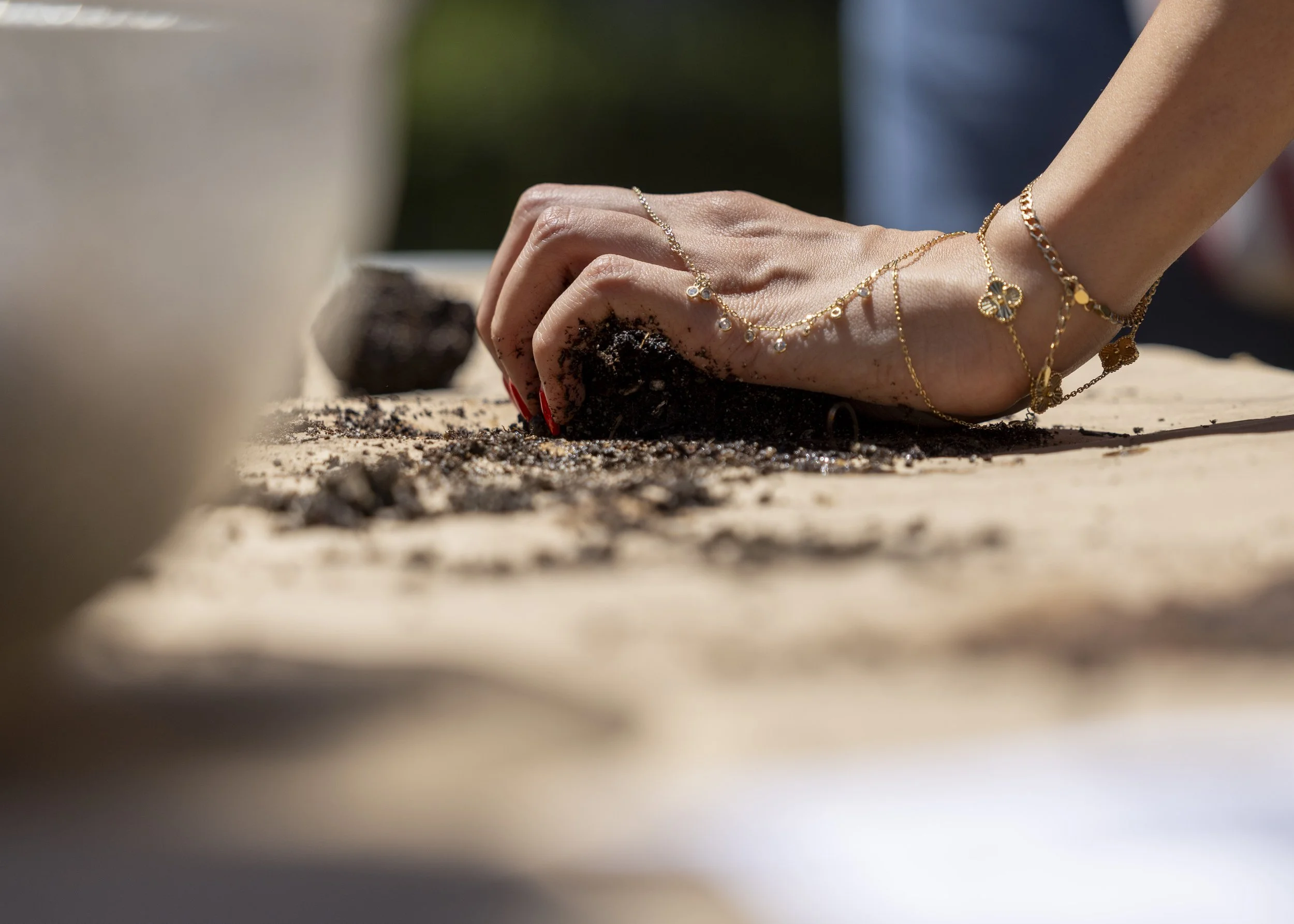
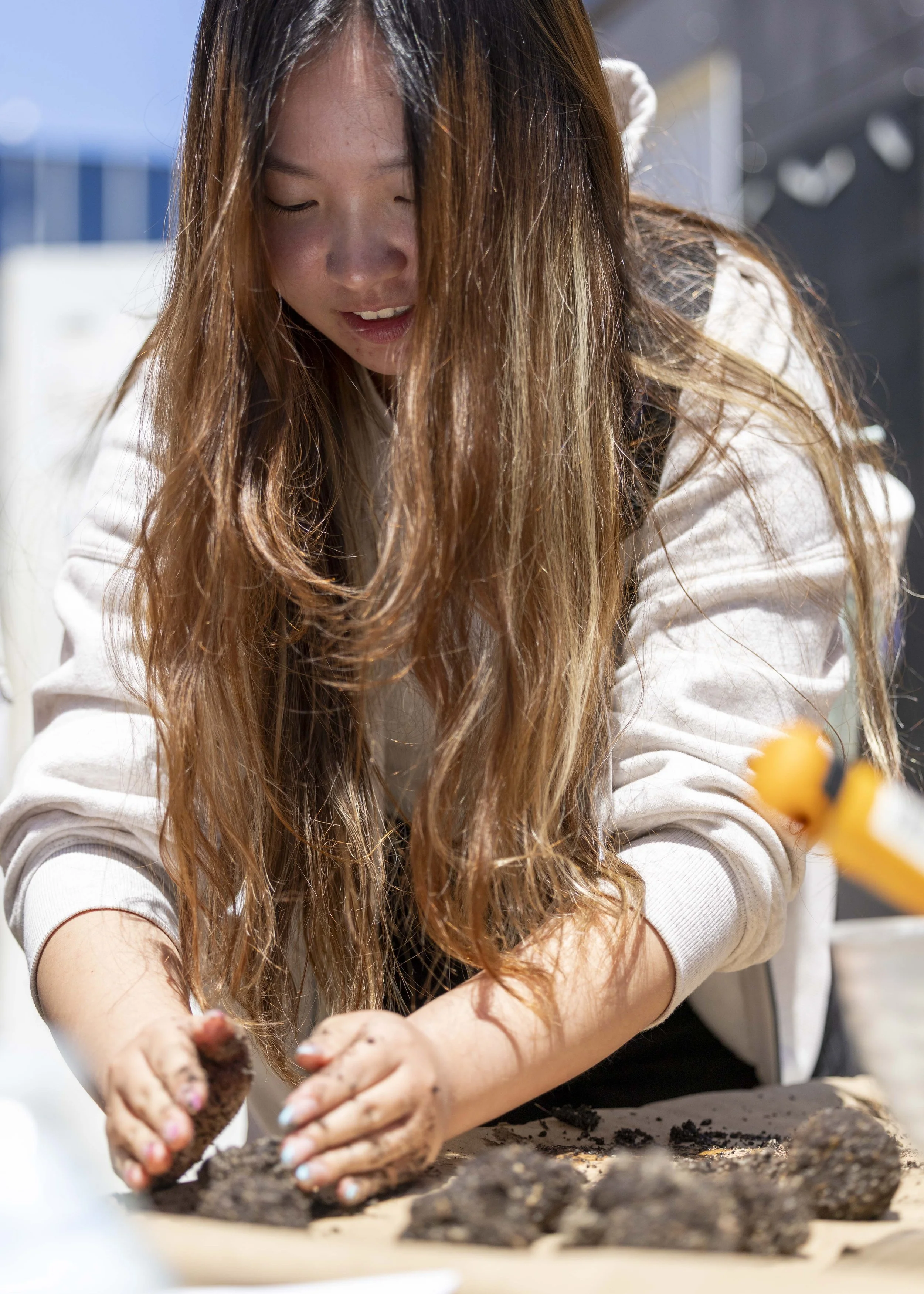
The seed-ball making was led by club member Tommy Shoemaker, who demonstrated the steps for mixing wildflower seeds with soil into hard balls and then tossing them in various environments. Seed balls help flowers grow, providing habitat for bees, butterflies and pollinators.
The seed balls were composed of regular soil, sifted compost, nutrient-rich wildflower material, sand to help bind everything together, seeds, and water. The ideal ratio is 3:1:1 — regular soil, composted plant material and sand. Shoemaker mentioned that seed balls can last up to six months. At the end of the activity, attendees took their seed balls home in compostable bags.
“You’re gonna leave them out to dry and then… when they’re dry, you could just kind of throw them anywhere. The water will come and wash the seeds to the soil in the floor and it will sprout wildflowers,” said Shoemaker.
For those interested in more planting and composting workshops, the club meets every Tuesday from 11 a.m. to 12:30 p.m. at the Organic Learning Garden.