
Environmental Documentary “Out of Plain Sight” Shown at SMC




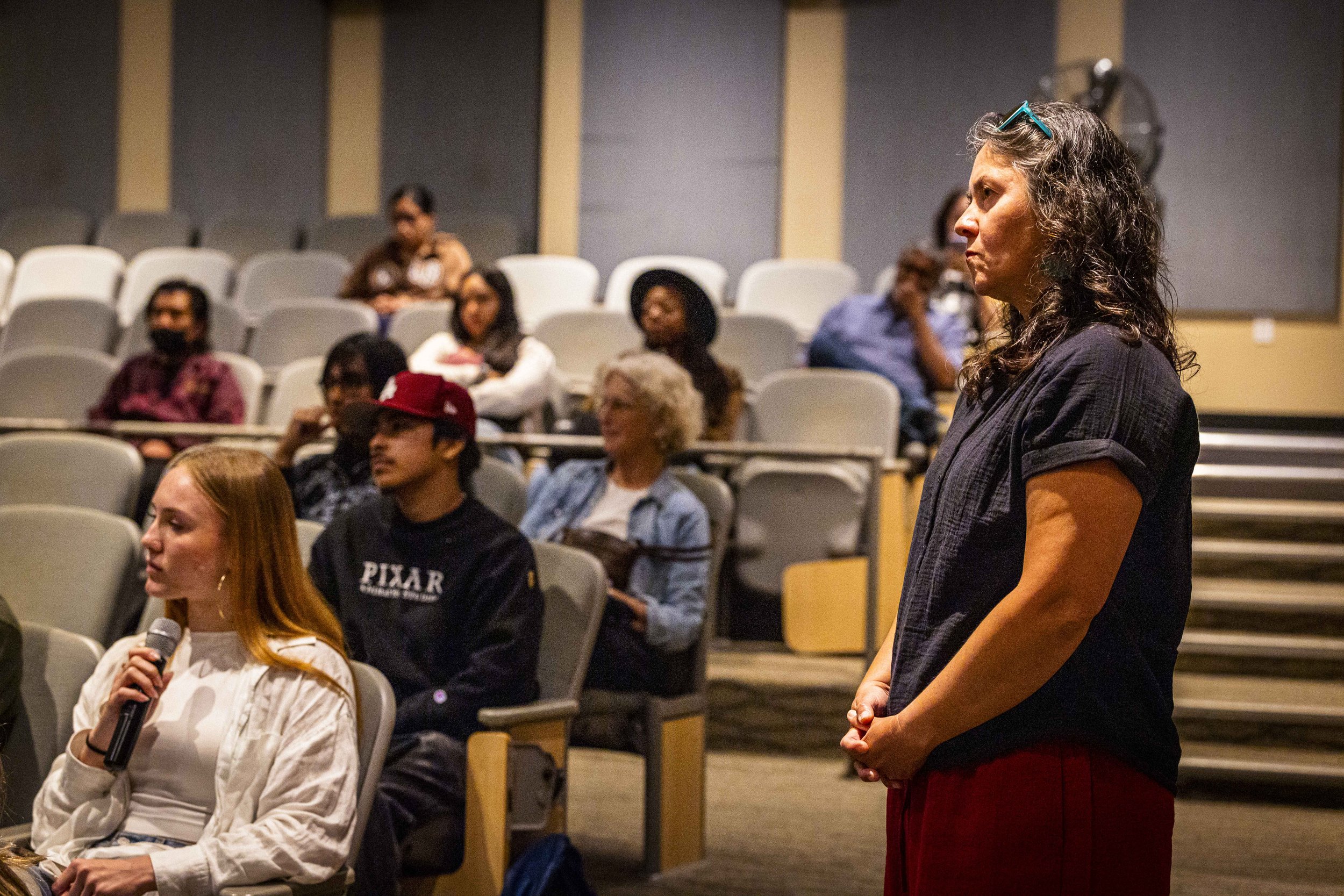


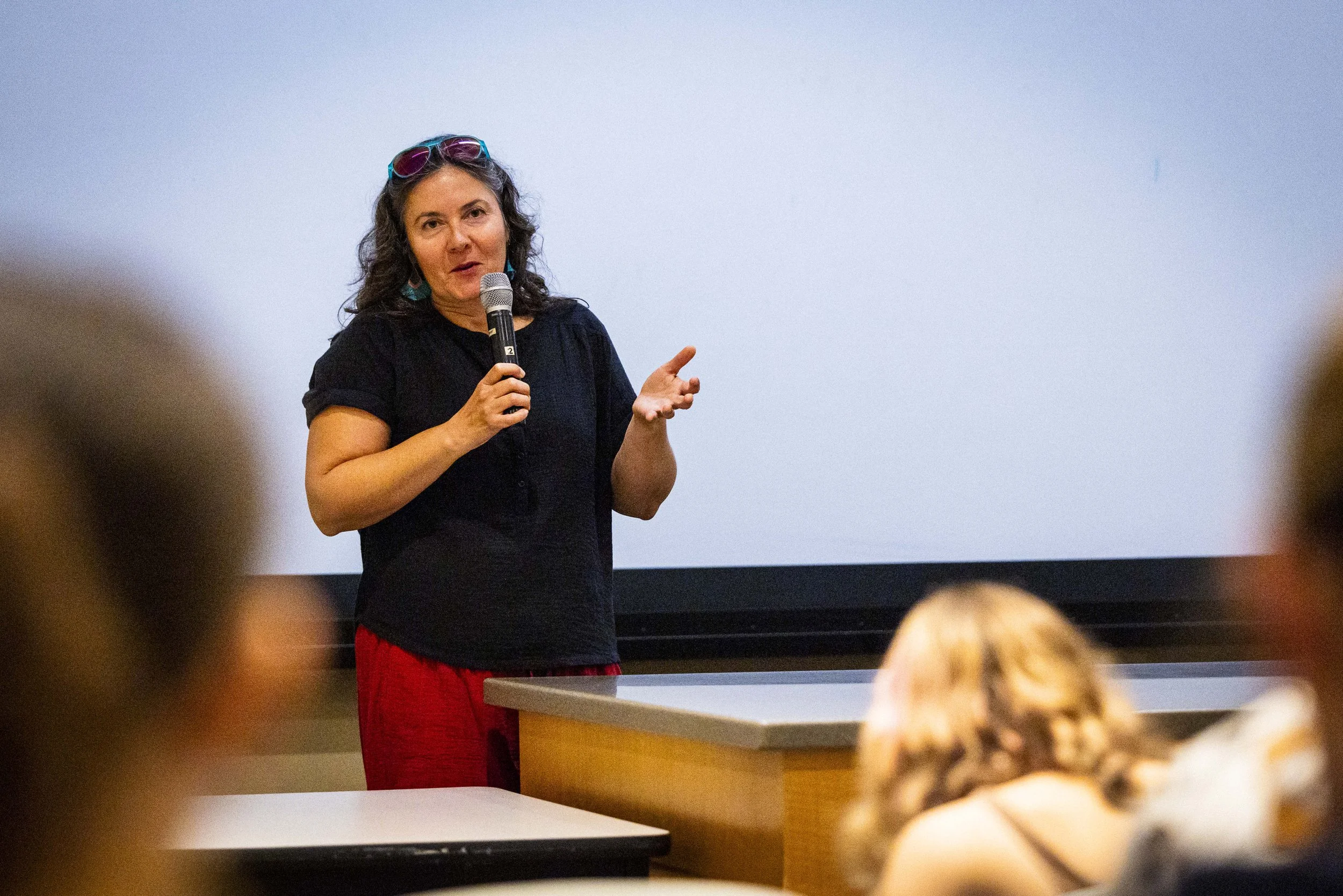


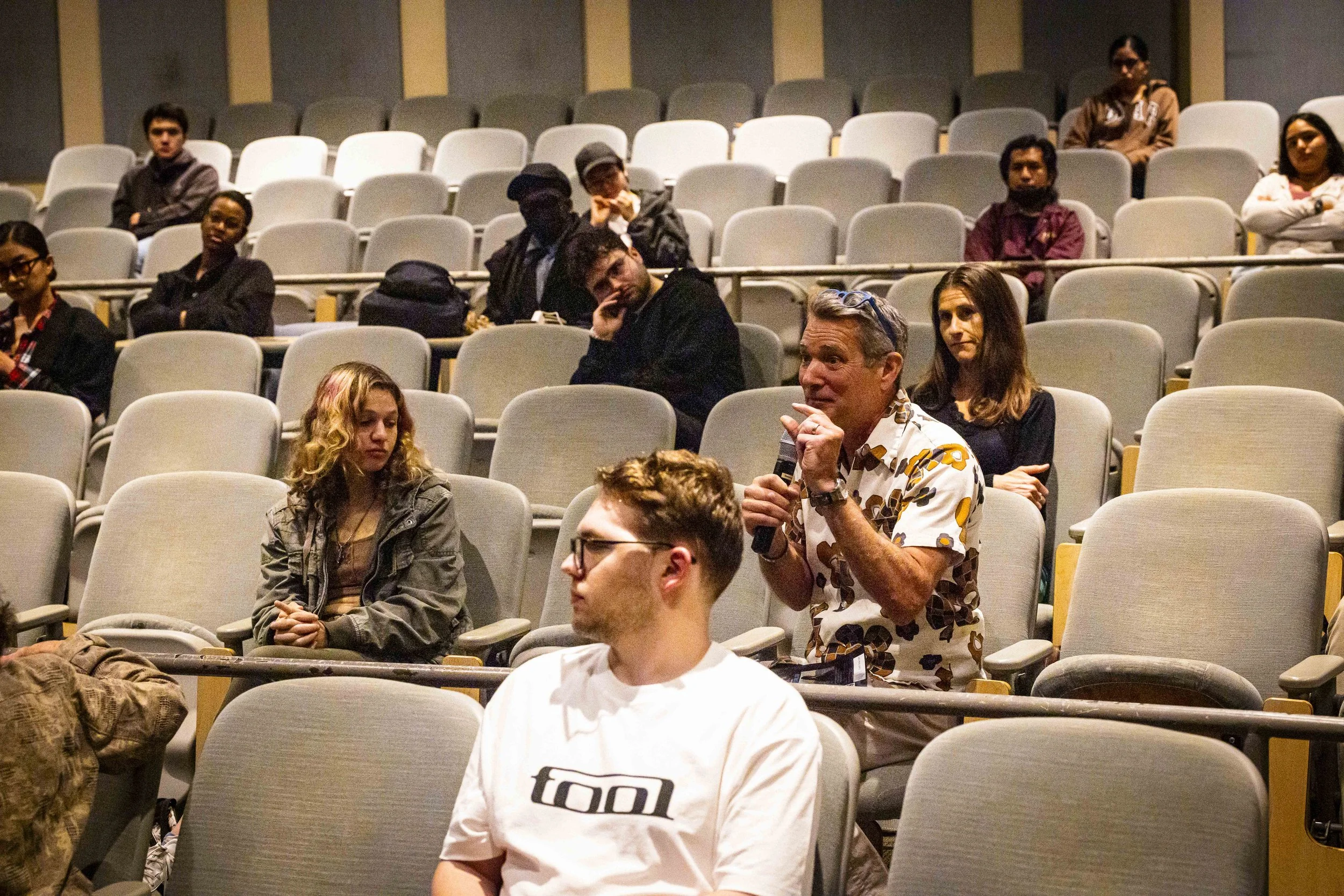

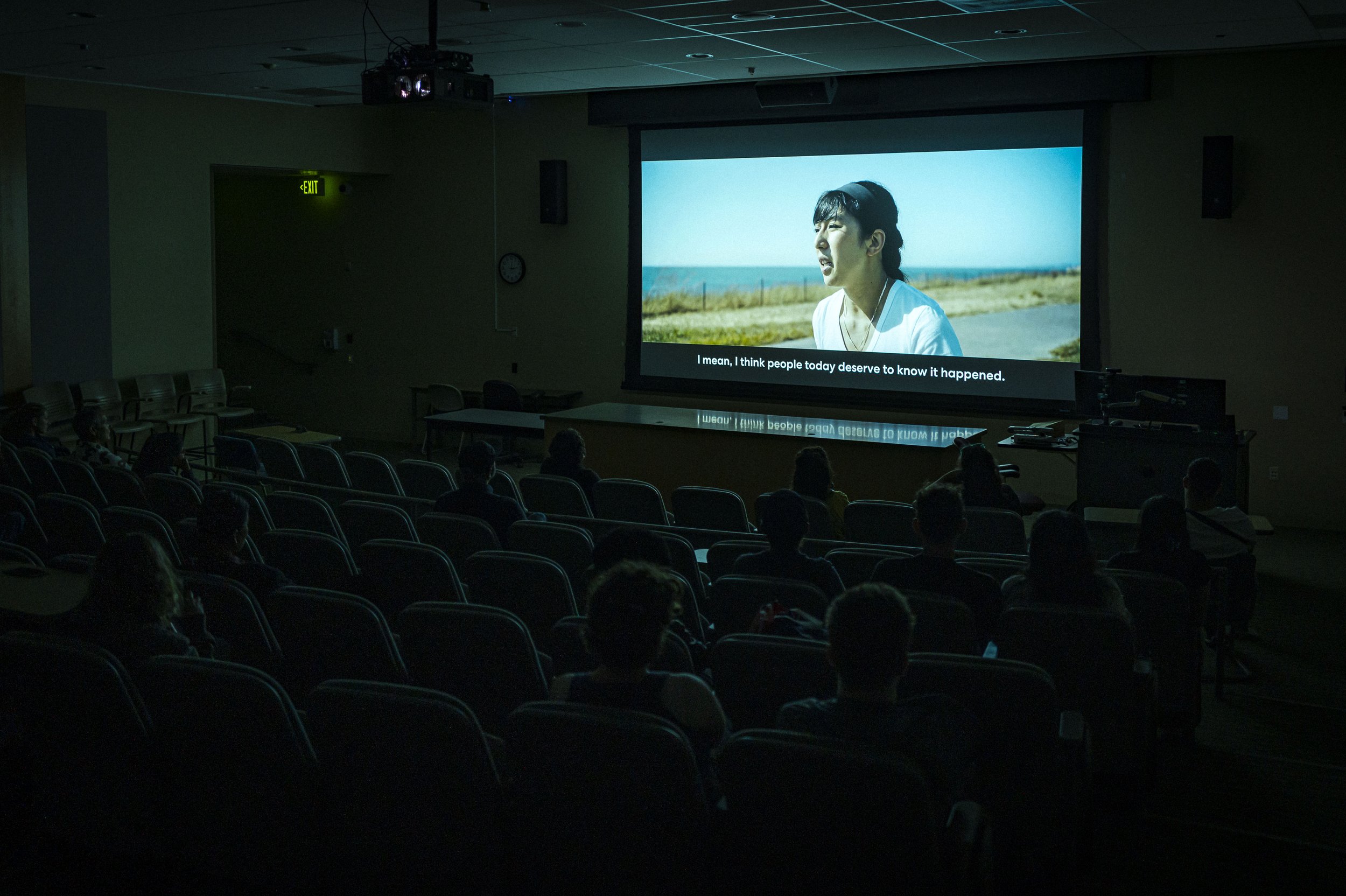

Los Angeles Times coastal and environmental journalist Rosanna Xia brought her investigative documentary, “Out of Plain Sight,” to SMC on Thursday, May 21. The film follows Xia as she works to uncover the presence of toxic waste dumped in the ocean off the coast of Southern California.
Geology Professor Christyanne Melendez hosted the event and discussed her love for the environment, as well as the importance of spreading awareness about how humans have impacted the environment.
“As a faculty member at SMC, I view one of my primary roles as being a bridge for students. To me, a bridge is someone who opens doors for students, whether that means bringing new and evolving information to campus to creating opportunities for students to connect with professionals,” Melendez said. “In the case of the ‘Out of Plain Sight’ screening and live Q&A, the event accomplished both purposes.”
The film primarily focused on the dumping of DDT, which stands for dichlorodiphenyltrichloroethane, off the coast of Southern California. This toxic substance was developed in the 1940s and was mainly used to kill disease-carrying insects and pests, such as mosquitoes. The insecticide posed significant human health risks, and was banned in the United States in 1972.
“When I first saw the film, I was devastated by the information presented. I was already aware of the DDT dumping offshore, but seeing it, and going on this journalistic ride, really made me feel the issue deeply. Because we are a coastal campus that belongs to a coastal community, my first thought after seeing the film was, ‘I need to bring this to SMC,’” Melendez said.
According to the film, DDT can have a substantial impact on marine life. It’s highly toxic and can severely harm aquatic systems by contaminating habitats and animals. Although DDT contamination in fish has decreased over time, it’s still active in the ocean to this day.
“That first article activated the marine science community, and all of these dots started connecting with people noticing DDT,” said the film’s creator, Rosanna Xia. “The researchers that you saw — I did not know to talk to them, they did not know to talk to me — but they had been seeing, for 50 plus years, the accumulation of DDT in sea lions off the California coast and they had no idea where it was coming from.”
The screening explored the impacts associated with industrial waste disposal, specifically DDT, and the long-term effects it can have on surrounding ecosystems. It also showed how multiple fields can work together to investigate and communicate complex issues.
In particular, the documentary highlighted the relationship between science and journalism by showing how research and reporting can work together to inform the public about environmental issues they otherwise might not know about. The film showed how the two disciplines can complement one another in communicating complex information to broader audiences.
“One of my goals for this screening was for students to see how journalism and science work together to communicate important issues, in this case an environmental issue, that impacts our community,” Melendez said. “Science plays an incredibly important role in uncovering what is happening around us.”
Journalism, as Xia said, “takes the information in and then disseminates it to the public in a way that the public can understand and connect with. Where environmental issues are concerned, this is incredibly important. Science gives us answers; journalism gives us the impetus to do something with those answers.”
Ultimately, “Out of Plain Sight” showed that environmental issues are not always distant, and can exist in local communities, like the title says — out of plain sight.
Xia’s combination of scientific research and reporting showed how environmental damage can be investigated and brought to public attention, even years after it occurred. Xia’s storytelling presented the issue in a way that informed the audience, but also warned to be aware of what is going on and take action against it.