
Feds Ready Retrial After Hung Jury Results in Mistrial of Jonathan Rinderknecht
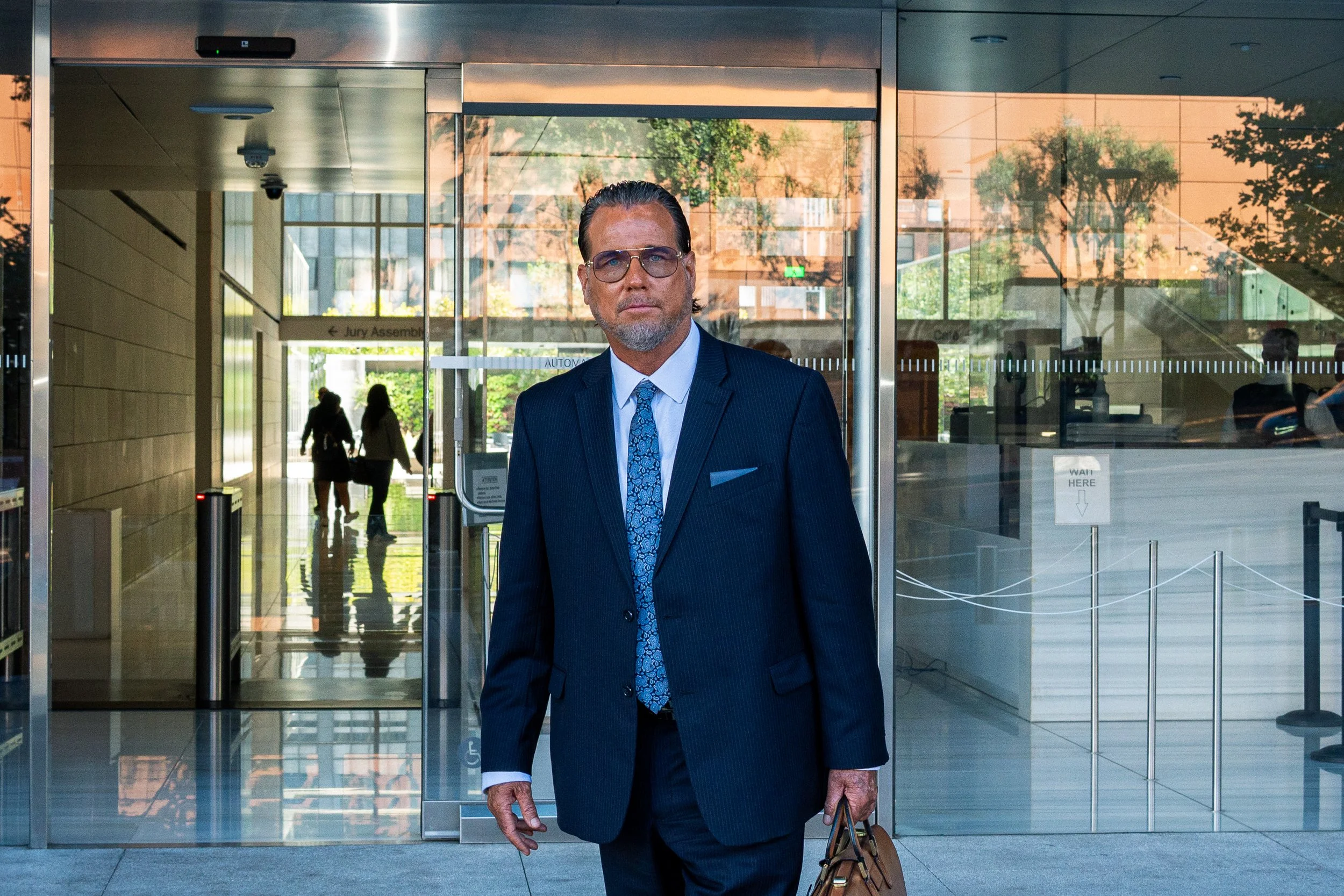
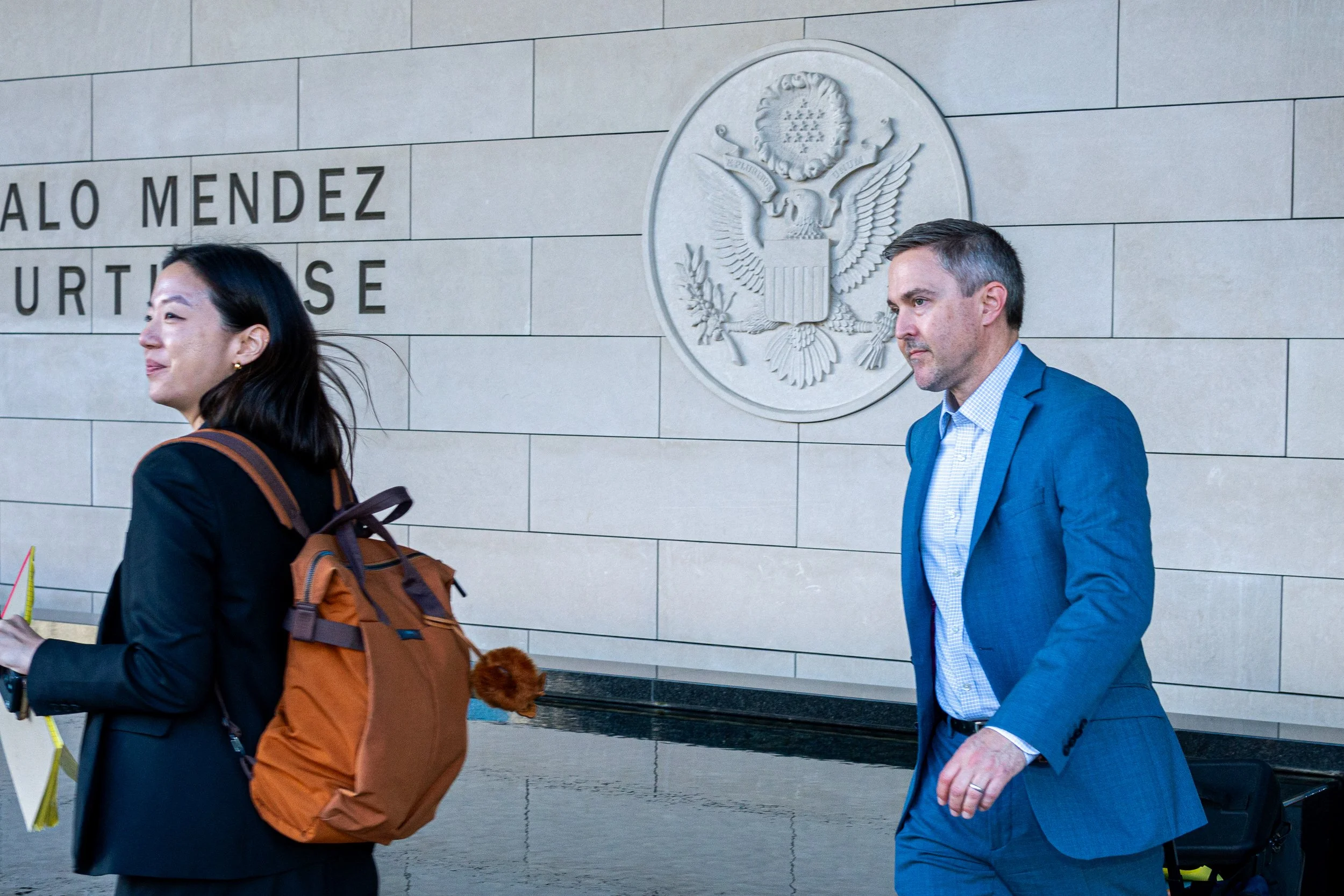
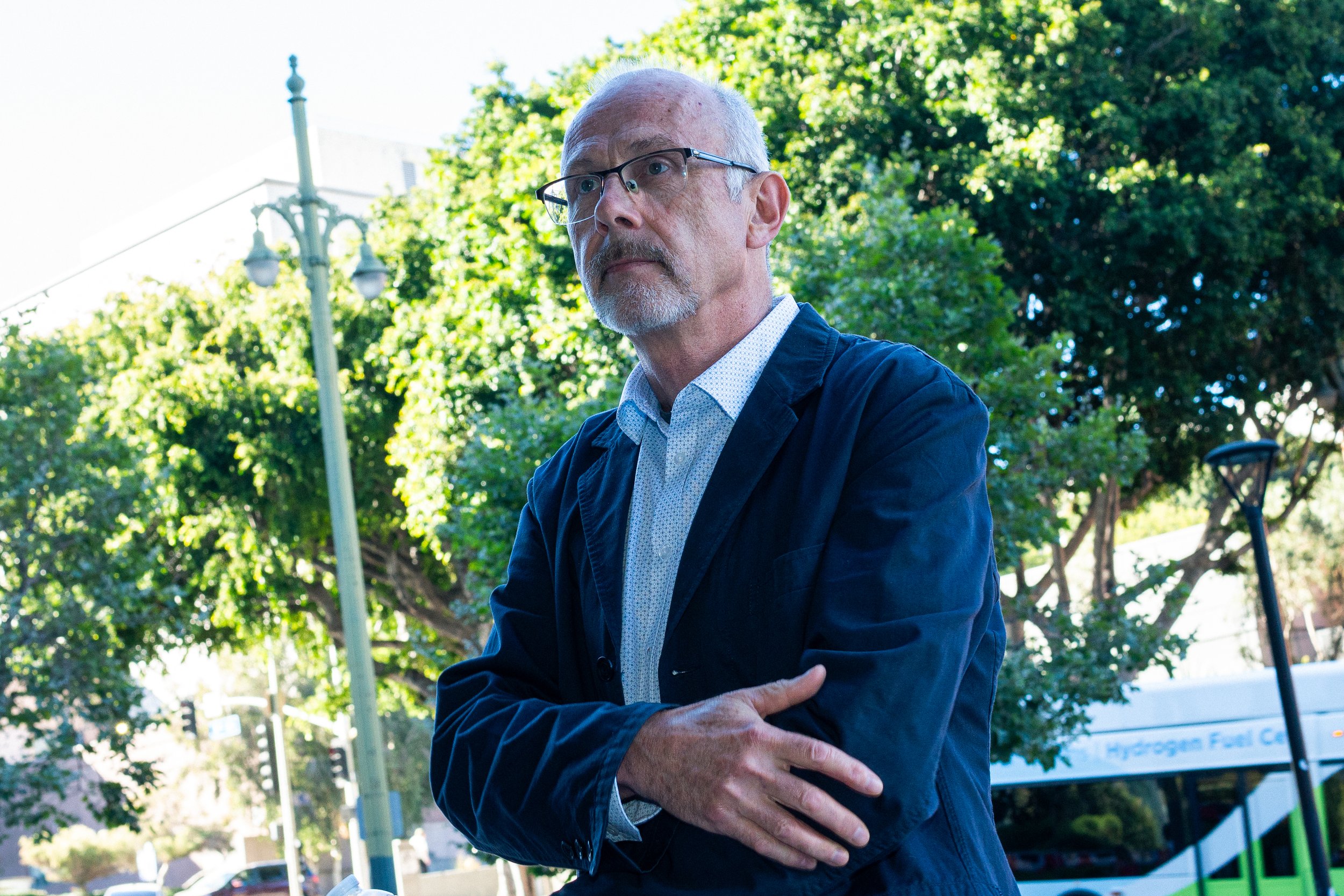
On Friday, June 26, after over 48 hours of intense deliberation by the jury, and unable to overcome gridlock, Judge Anne Hwang declared a mistrial in the case of United States v. Jonathan Rinderknecht. The prosecution, led by Department of Justice attorney Mark Williams, motioned for a retrial, which was accepted by defense counsel Steve Haney and then granted by Judge Hwang. The retrial will take place on October 19. Jury selection will start next month on July 15.
Friday morning, Williams argued for an Alan Charge ordering the jury to keep deliberating. Judge Hwang denied it, saying it was “coercive.” Hwang then called the jury in altogether and asked each one if they were steadfast in their opinion. Each said yes, and one juror was crying. Judge Hwang then declared a mistrial.
The jury revealed their votes: 10 not guilty, two guilty.
The jury had been in deliberation since Tuesday evening over whether to convict Rinderknecht on three felony charges of arson, carrying up to 45 years in federal prison. The government claimed that Rinderknecht started the Lachman fire on New Year’s Eve 2025. That fire, according to the Bureau of Alcohol, Tobacco, Firearms, and Explosives (ATF) investigation, was not fully suppressed and erupted into the Palisades fire days later on January 8.
Rinderknecht was not charged with the loss of 12 lives or the over $20 billion in estimated property damages. He was instead charged with destruction of property by means of fire, arson affecting property used in interstate commerce and setting fire to timber on federal public land.
The government's claim that the two fires were linked rested on the ATF’s theory that an ember from the Lachman fire remained undetected as a smoldering holdover fire for seven days after supposedly being put out by the Los Angeles Fire Department (LAFD). According to the ATF, the ember buried deep within a complex root system, combined with the heavy Santa Ana winds, turned into the devastating Palisades fire that claimed the lives of a dozen people.
Evidence and argumentation concerning Rinderknecht’s previous mental health issues and possible negligence by the LAPD in failing to suppress the Lachman fire fully were excluded from the trial before it began. Arguments from the defense regarding the prosecution's lead witness, ATF special agent Matthew Beals – whose previous role as the lead investigator and star witness in the trial of United States Navy Seaman Ryan Mays led to an acquittal – were also barred.
Despite the exclusion of certain evidence, the majority of jurors voted not guilty, with one citing the government's lack of evidence as the main reason.
Juror No. 4, who only gave the name Syrena, said, “There's just not enough proof.” She described the government's case as containing “a lot of holes.”
The holes in the government's case, she said, were the failure to prove the ATF’s theory that the Lachman fire’s ignition was from the open flame of Rinderknecht’s lighter and to connect the two fires via the smoldering holdover fire theory.
“I wanted to know, has anybody ever gotten in trouble for a holdover fire anywhere else? Because this holdover theory just wasn't like, it wasn't working for me,” Juror No. 4 said. She went on to blame the LAFD for not fully extinguishing the Lachman fire, stating that witnesses saw smoke rising from the scene after the fire was put out.
Haney held a view similar to Juror No. 4, that negligence from the LAFD was to blame for the Palisades fire. During a press conference in front of the courthouse, he referenced a pretrial ruling, saying, “We were not to reference the Los Angeles Fire Department negligence, which there was obvious negligence in not putting out the Lachman fire.”
Joel Rinderknecht, the defendant's father, flanked on each side by Jonathan’s brother and sister, said he was devastated that the judge ruled to keep his son detained until the retrial after already being held for over a year.
“We wanted him to come home, and it's just like, how is it possible with so, with no direct evidence, to keep someone in jail one year?” said Joel Rinderknecht. “That is frightening.”