
SMC passes new annual budget, ‘We have stemmed the bleeding for a year’
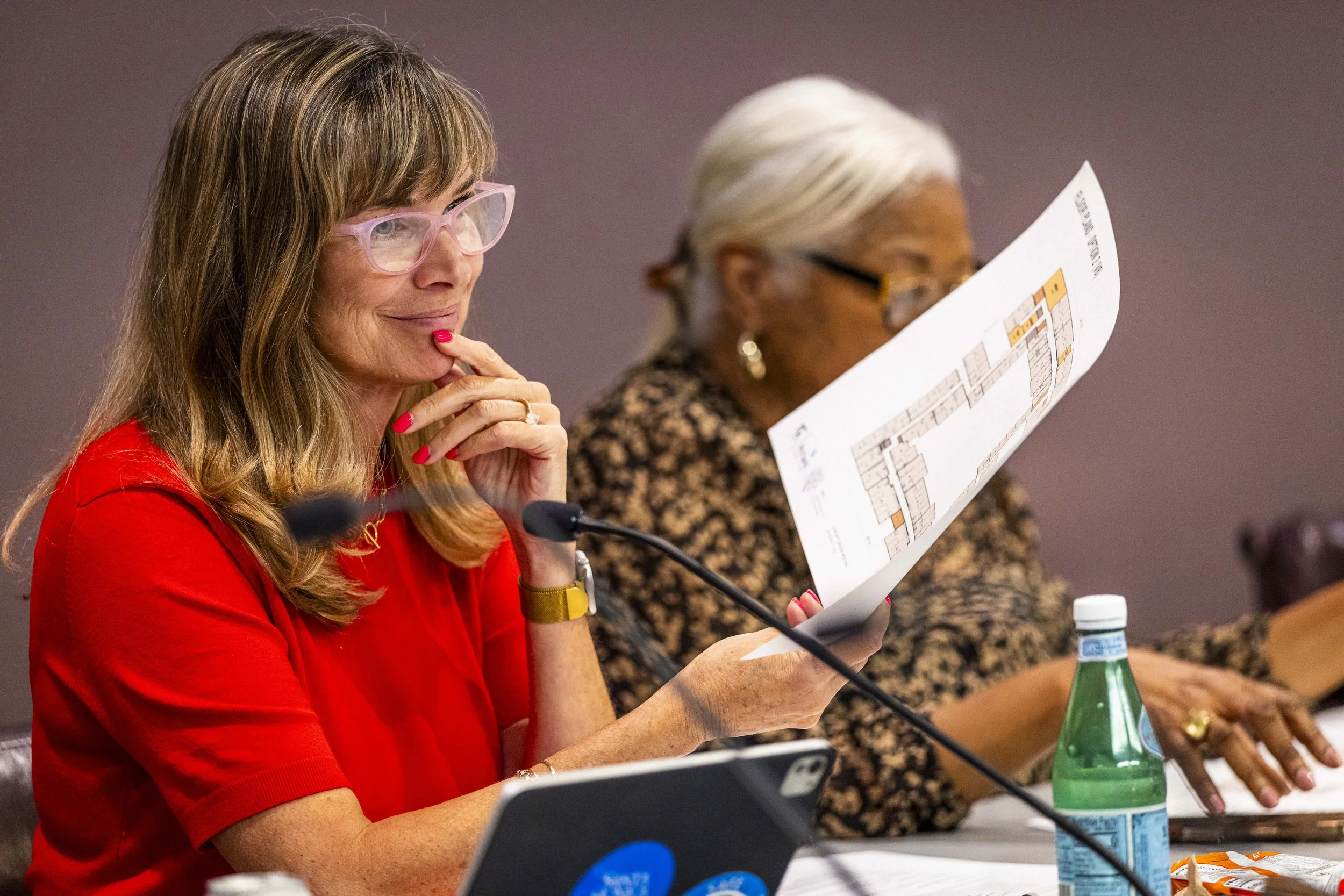
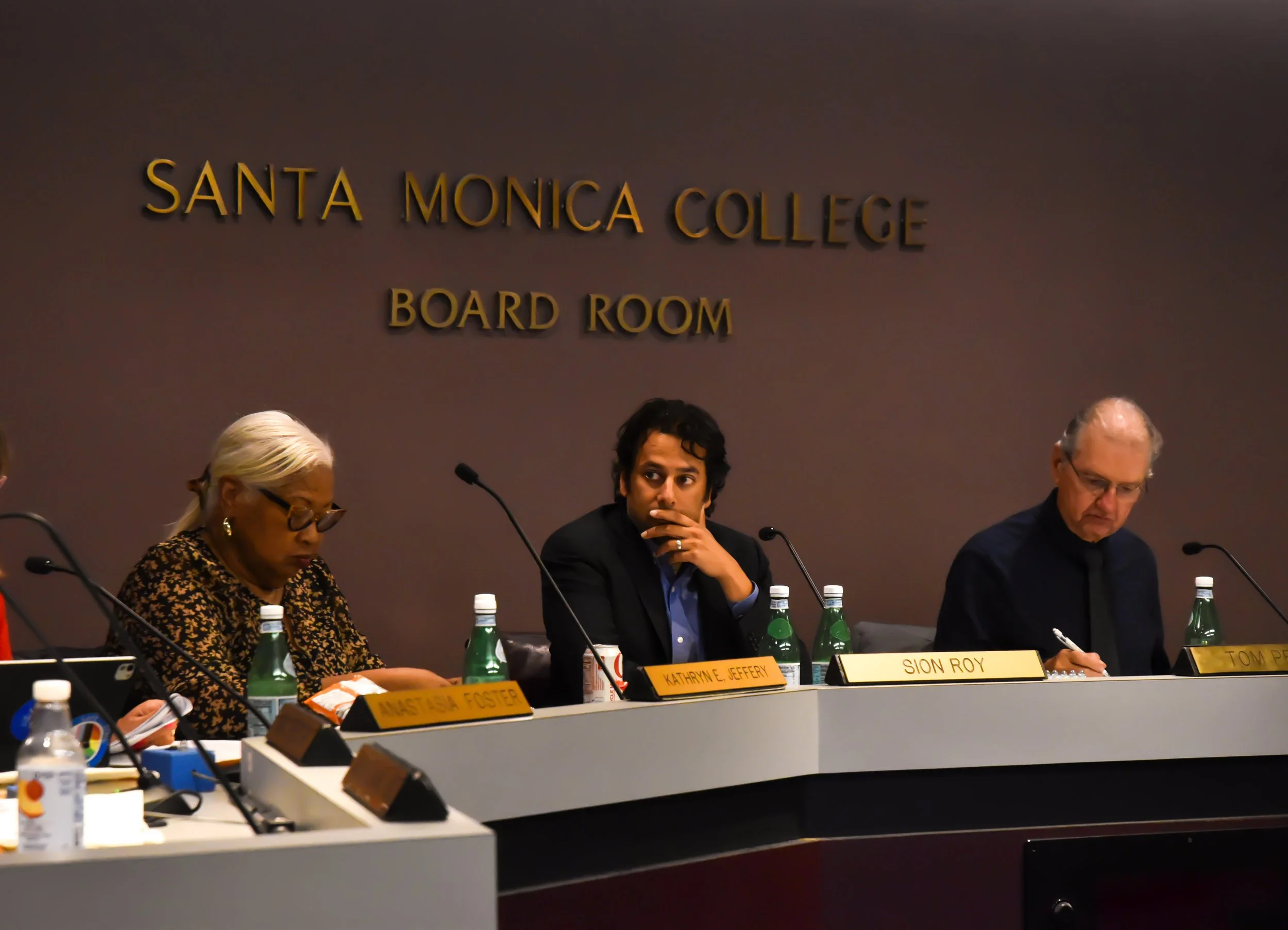


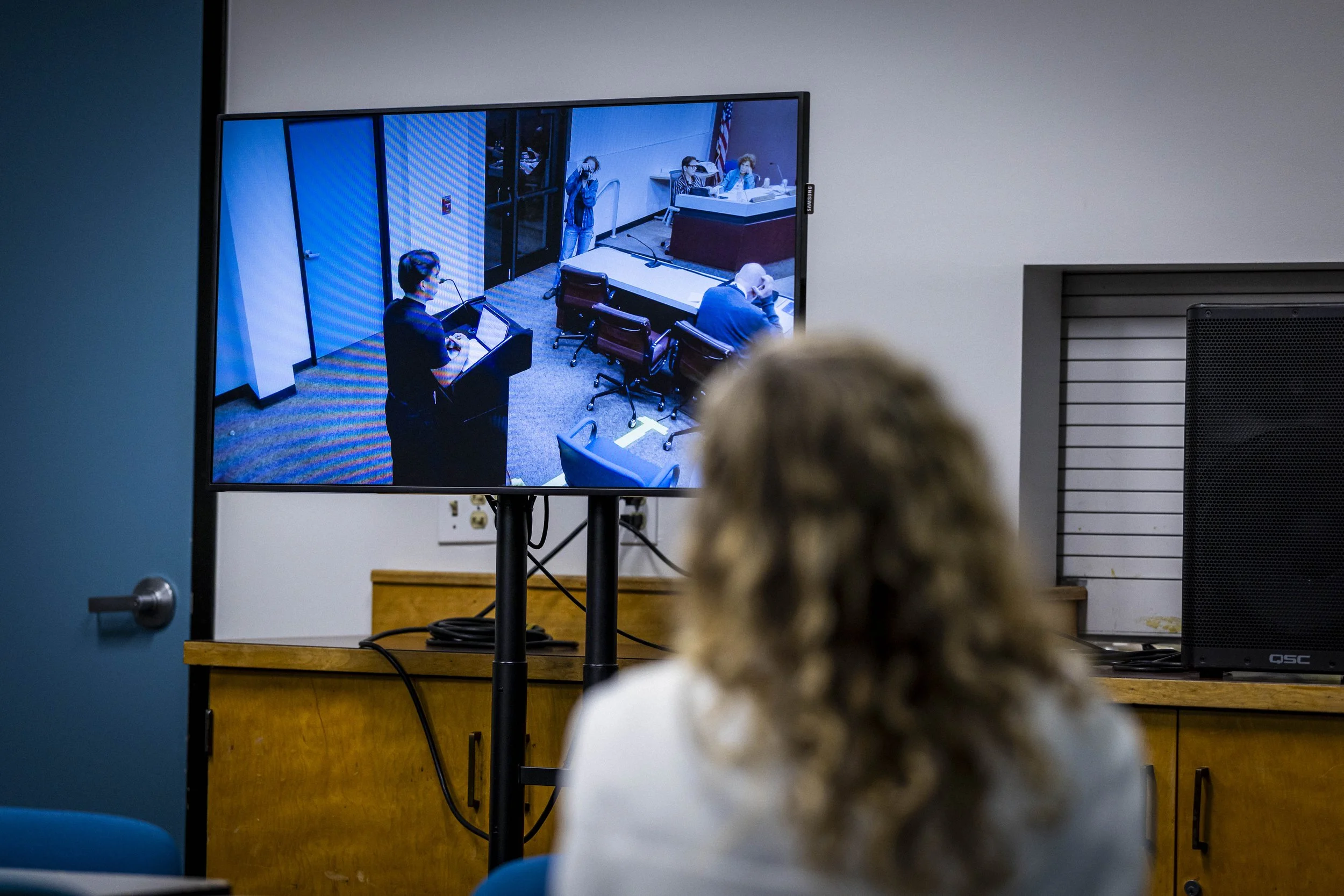

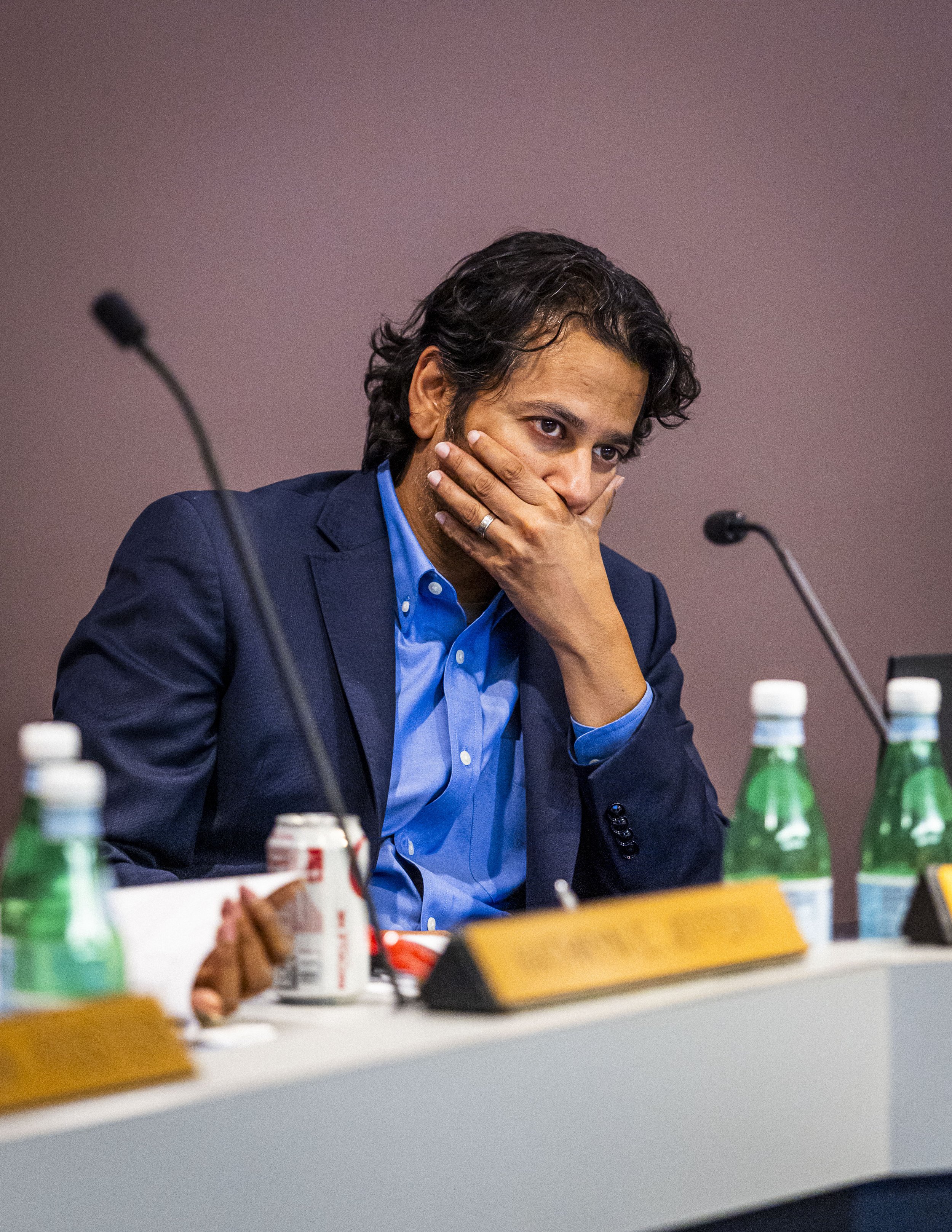
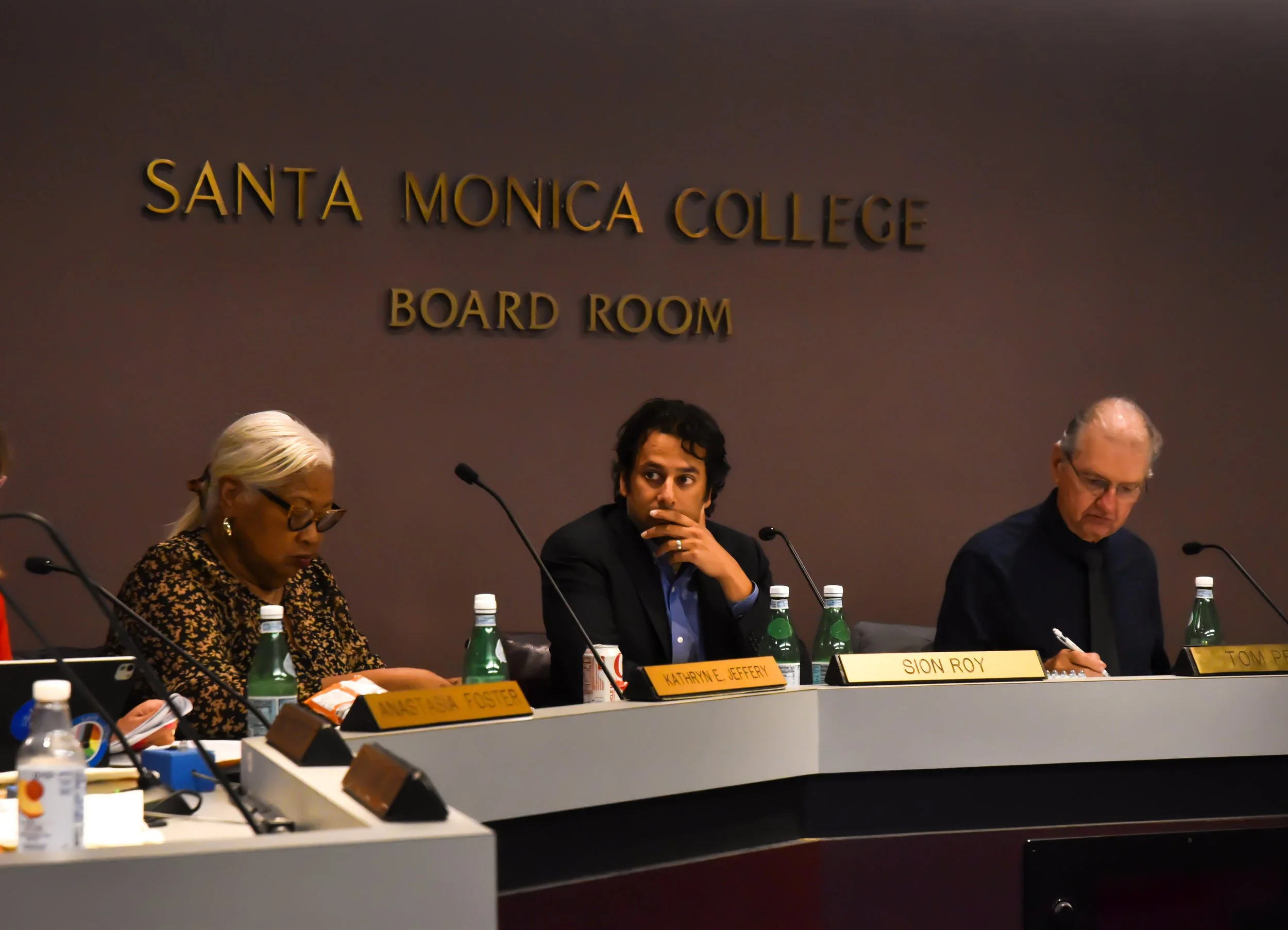

After slashing millions of dollars from the college’s budget and cutting 45 full-time employees in June, Santa Monica College administrators say they have bandaged some of the college’s financial wounds by passing the 2026-2027 budget. During its monthly meeting in the business department building, the board of trustees voted unanimously to pass the college’s annual budget on Tuesday.
The college is under increased pressure to balance its budget – an issue that has plagued the school for years – after it was placed on enhanced fiscal monitoring by its accrediting commission earlier this year. According to an email from Superintendent Kathryn Jeffery to SMC faculty on Aug. 5, the Accrediting Commission for Community and Junior Colleges determined the college was “at-risk” fiscally on July 24 and notified the board on July 31.
Jeffery’s email stated the ACCJC’s decision was “backward-looking,” based on the previous three years of financial reports, and did not account for actions taken this year, such as staff reductions. In a the letter to SMC, the ACCJC warned that institutions that do not resolve their fiscal deficits within three years of being placed under enhanced monitoring “may be subject to adverse action by the Commission.”
Chris Bonvenuto, chair of the District Planning and Advisory Council, which advises the trustees on financial matters, presented an overview of SMC’s finances and the proposed budget. He advised the board to pass the budget, which would effectively balance this year's expenses. However, Bonvenuto warned the proposal would not address the college’s structural deficit of nearly $5 million for the following year.
“We have stemmed the bleeding for a year,” Bonvenuto said.
Current projections show the proposed budget would leave a roughly $300,000 funding gap for the year, which could be covered by state financial aid, he said. Without additional one-time funding from California or the federal government next year, Bonvenuto said the structural deficit would remain, requiring further cuts next year to fully alleviate it.
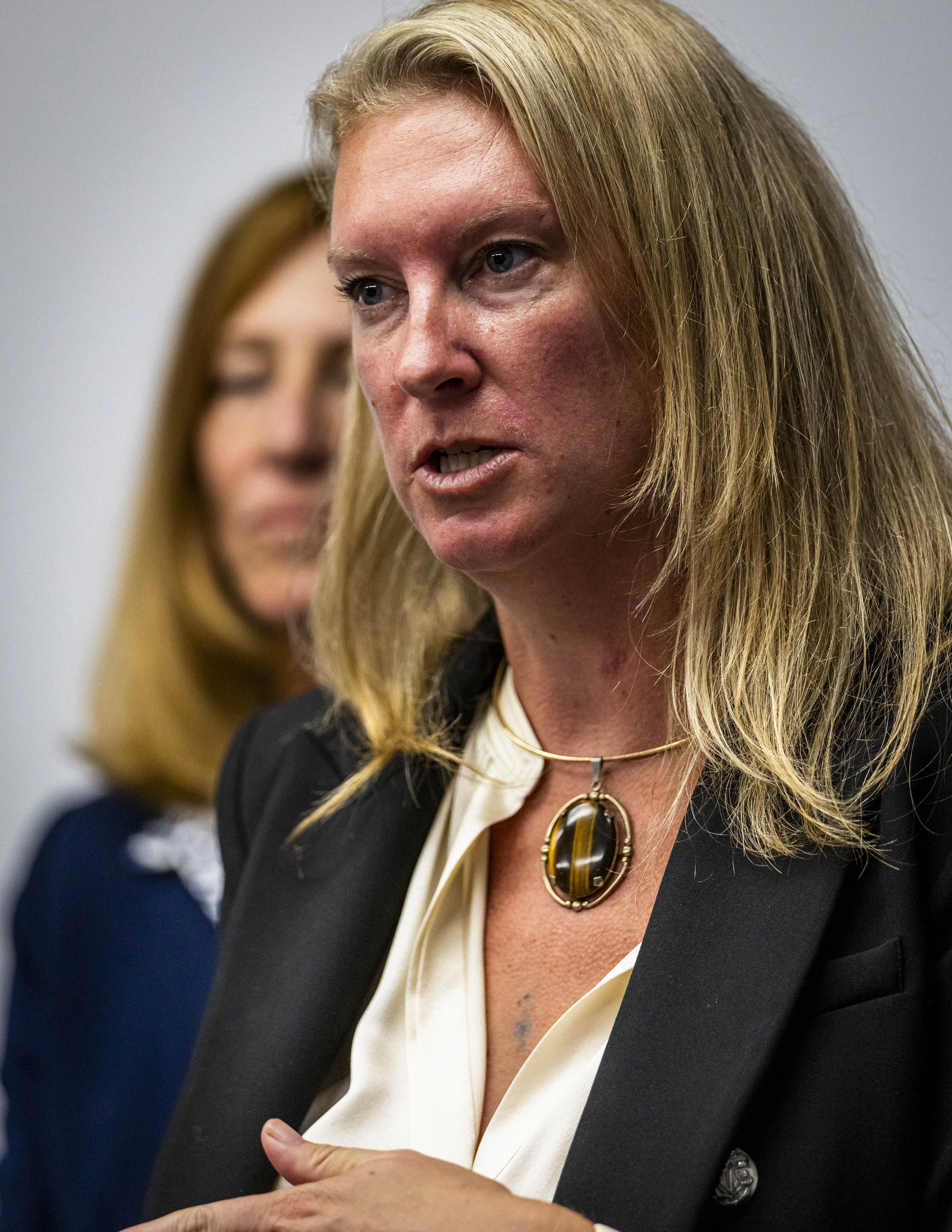
Cindy Ordaz, SMC’s chief negotiator for the California School Employees Association chapter, said whether additional layoffs would be needed won’t be known until March 15, California’s legal deadline for notifying workers of termination.
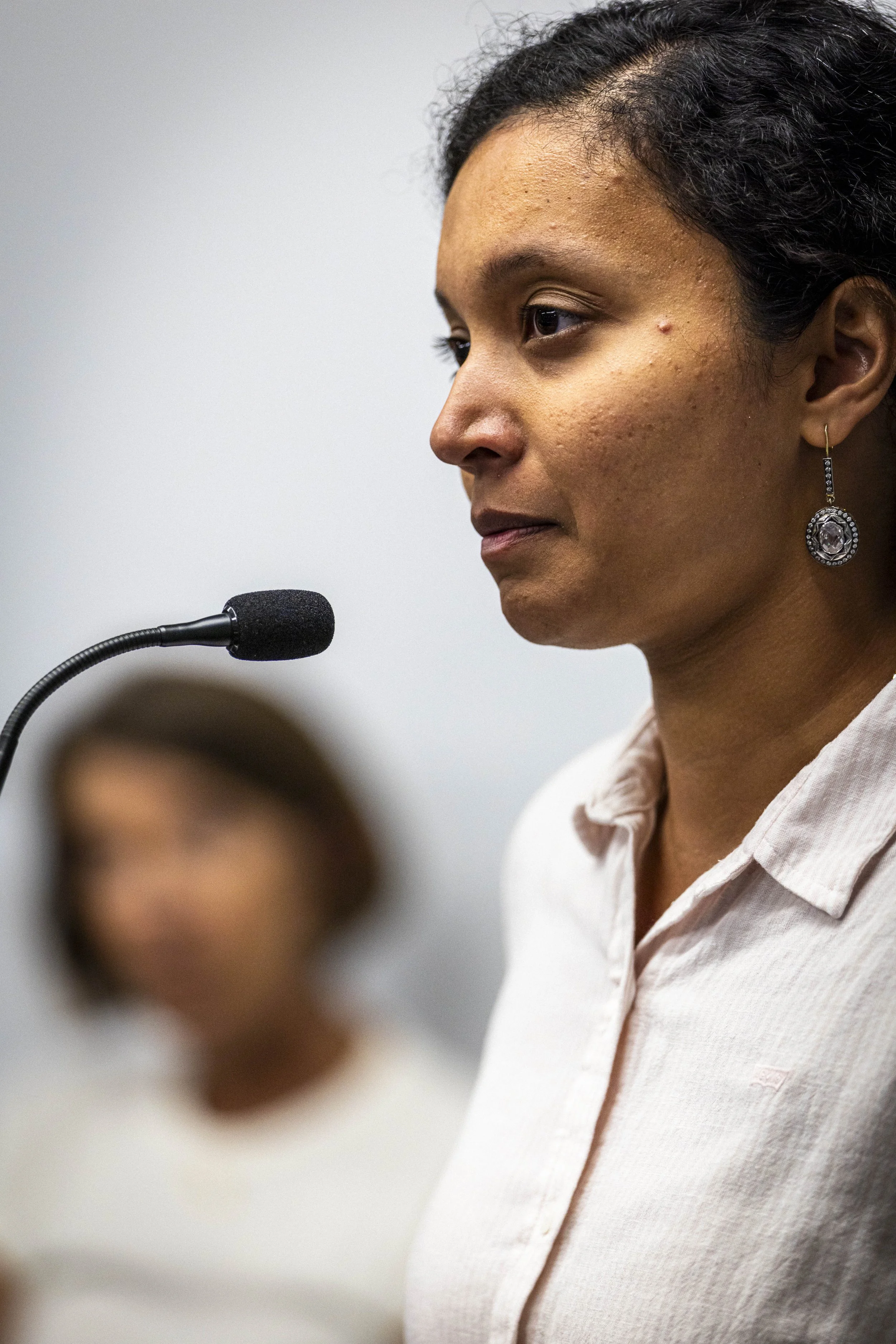
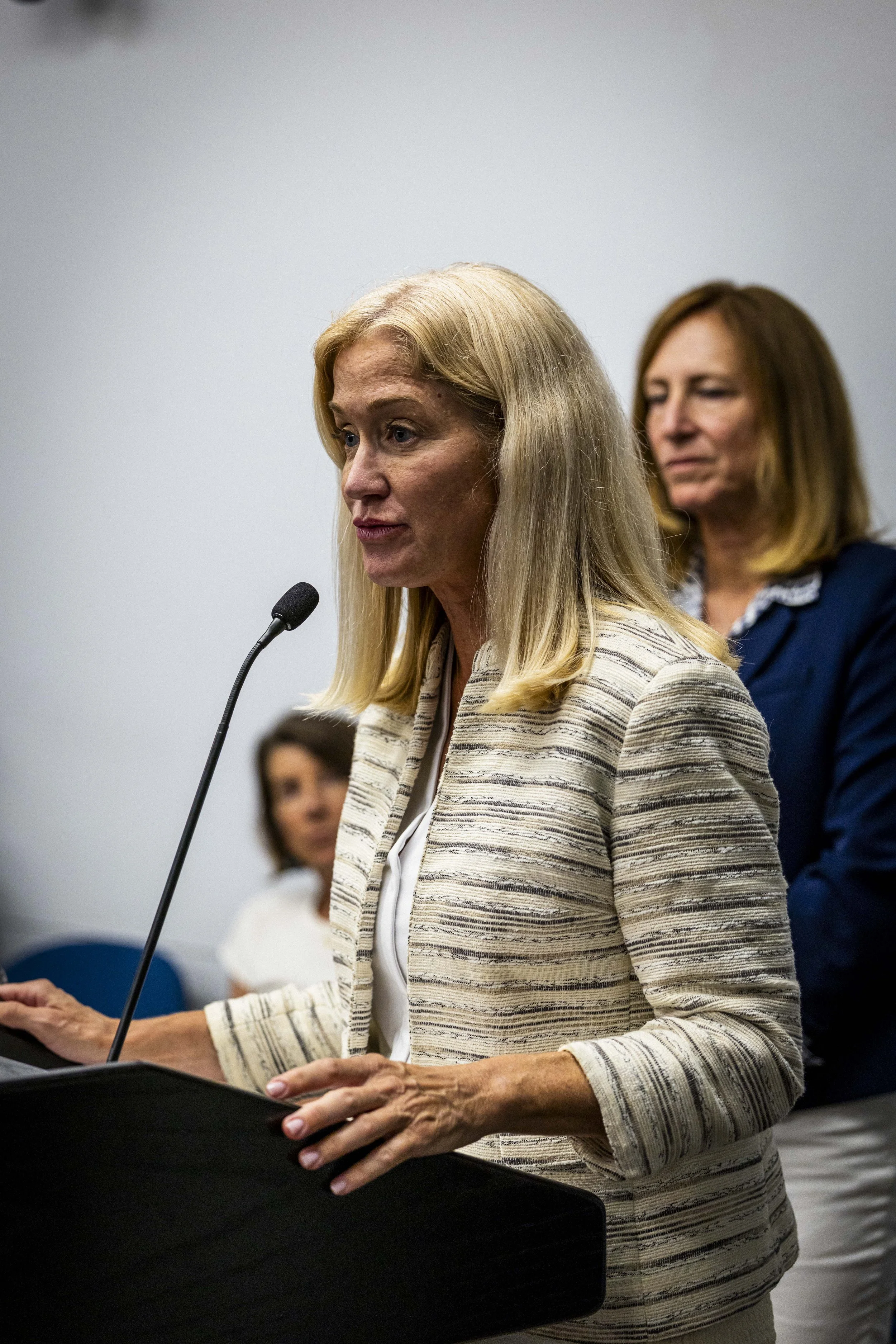
During her address to the board, Ordaz said the college’s two labor organizations – the faculty association and CSEA – were unified with the management association, which represents the school's senior administrators, on several issues facing SMC.
Ordaz said discussions with Peter Morse, head of the faculty association, and Jose Hernandez, a representative of the management association, have led to agreement on issues like the budget, labor relations, staffing levels and retention, accountability from management and student enrollment numbers. She said these issues were related and conversations about them shouldn’t be segmented.
“If students truly come first, then the people and the infrastructure serving them have to be part of our fiscal strategy before the problems happen, not after,” Ordaz said.
Ordaz said the alignment between management and labor was surprising.
“If you would have told me a couple of years ago that CSEA and the management association would be sitting at the same table finding common ground, I probably wouldn’t believe it, but here we are,” she said.
As previously reported by the Corsair, CSEA filed an unfair labor practice complaint against the college earlier this year over unpaid contractually obligated wage increases. The complaint was settled days later after the college said they couldn’t afford to pay them.
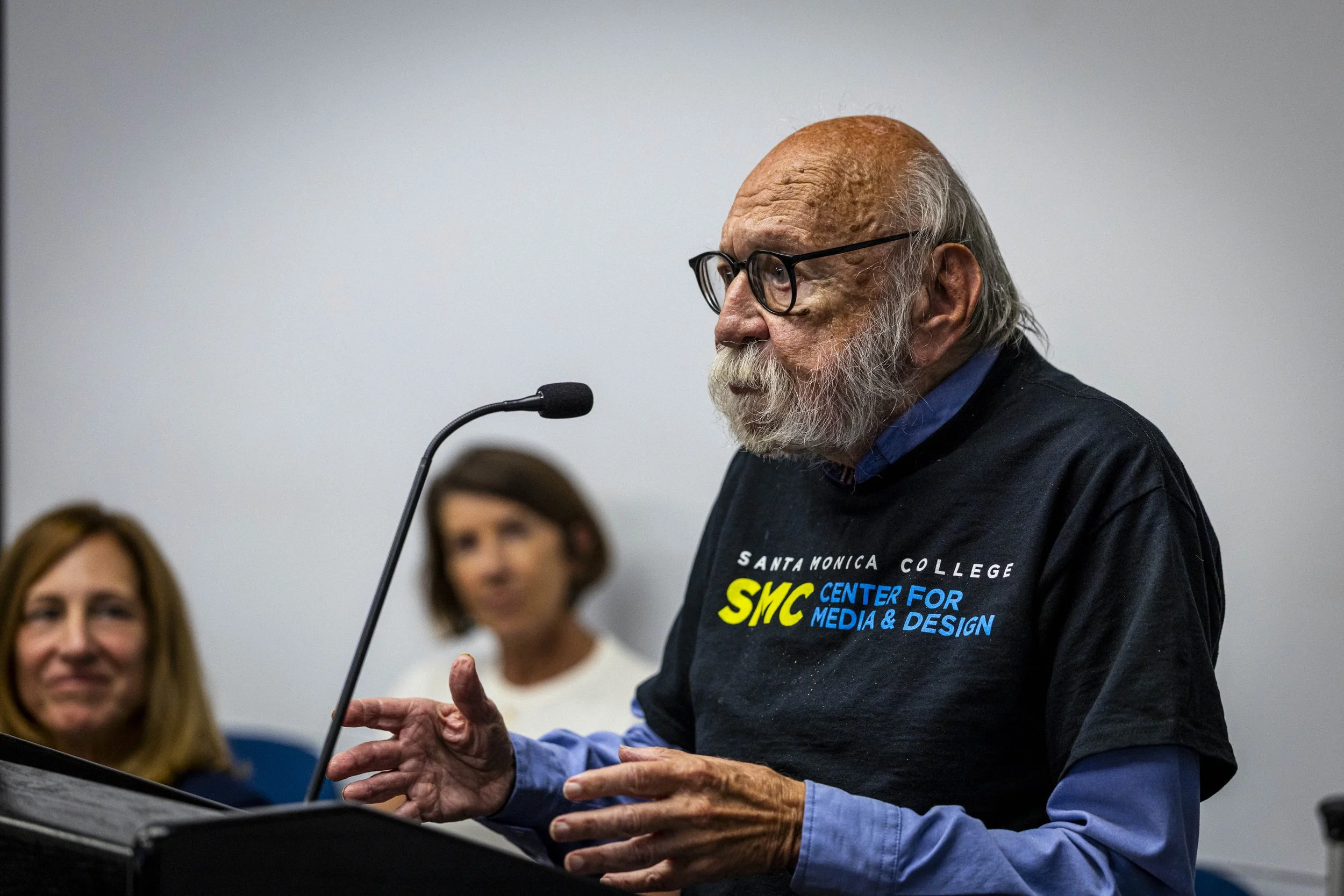
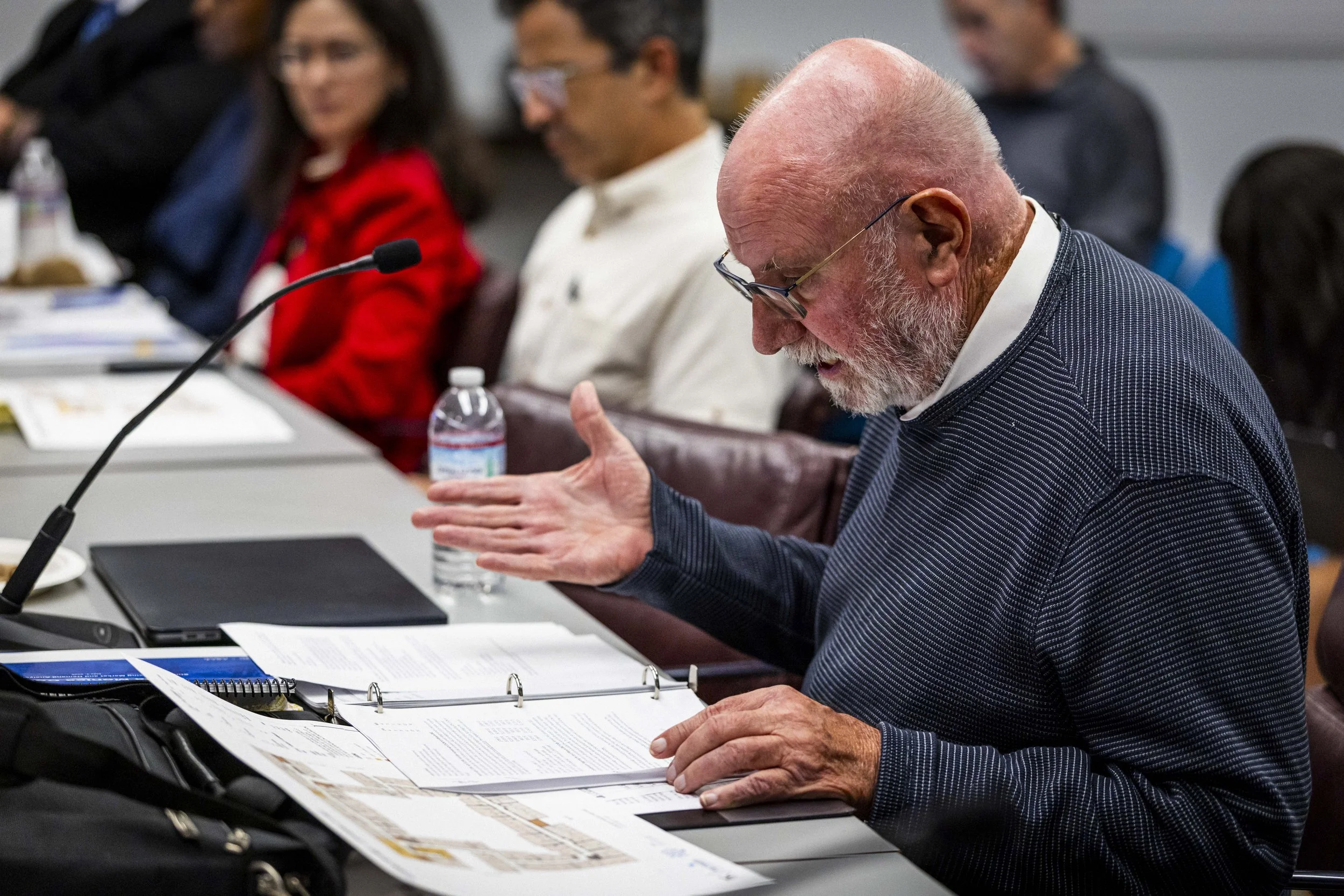
Morse, whose organization is engaged in ongoing contract negotiations with the college, opened his address by criticizing the board for not acknowledging workers’ importance to SMC the day after Labor Day. “Workers at SMC are tired, demoralized, and overburdened because of layoffs, cuts, poor communication, and a general lack of leader-inspired vision,” he said, describing morale amongst his members.
Morse stressed the importance of remembering the effects this year's layoffs had on workers, but added that his hope for the college’s future comes from the passion and drive of those who remain.
Hernandez began his report by recognizing several members of the management association's executive committee for their work in helping his organization manage the school throughout the year. He continued, echoing earlier statements from Morse and Ordaz to the board, reminding them that the loss of talent and community from previous staff reductions cannot be forgotten.
“We cannot simply turn the page and pretend that everything reset, because a new academic year has begun,” Hernandez said.
The board also approved interviewing and consideration of the hiring committee’s candidate for superintendent to replace Jeffery, who is retiring at the end of the year.
According to a Sept. 9 email sent to SMC faculty from Academic Senate President Vicenta Arrizon, Vice President of Human Resources Tre’Shawn Hall-Baker will schedule one or more public community forums and the board’s interview with the candidate. The dates of these events had not been determined at publication.
Funding for construction of the student housing project at SMC’s Bundy campus was also approved at Tuesday’s meeting. The college will contribute $126 million in bonds, part of the $250 million in bonds Santa Monica voters approved for the school’s construction projects in 2022.
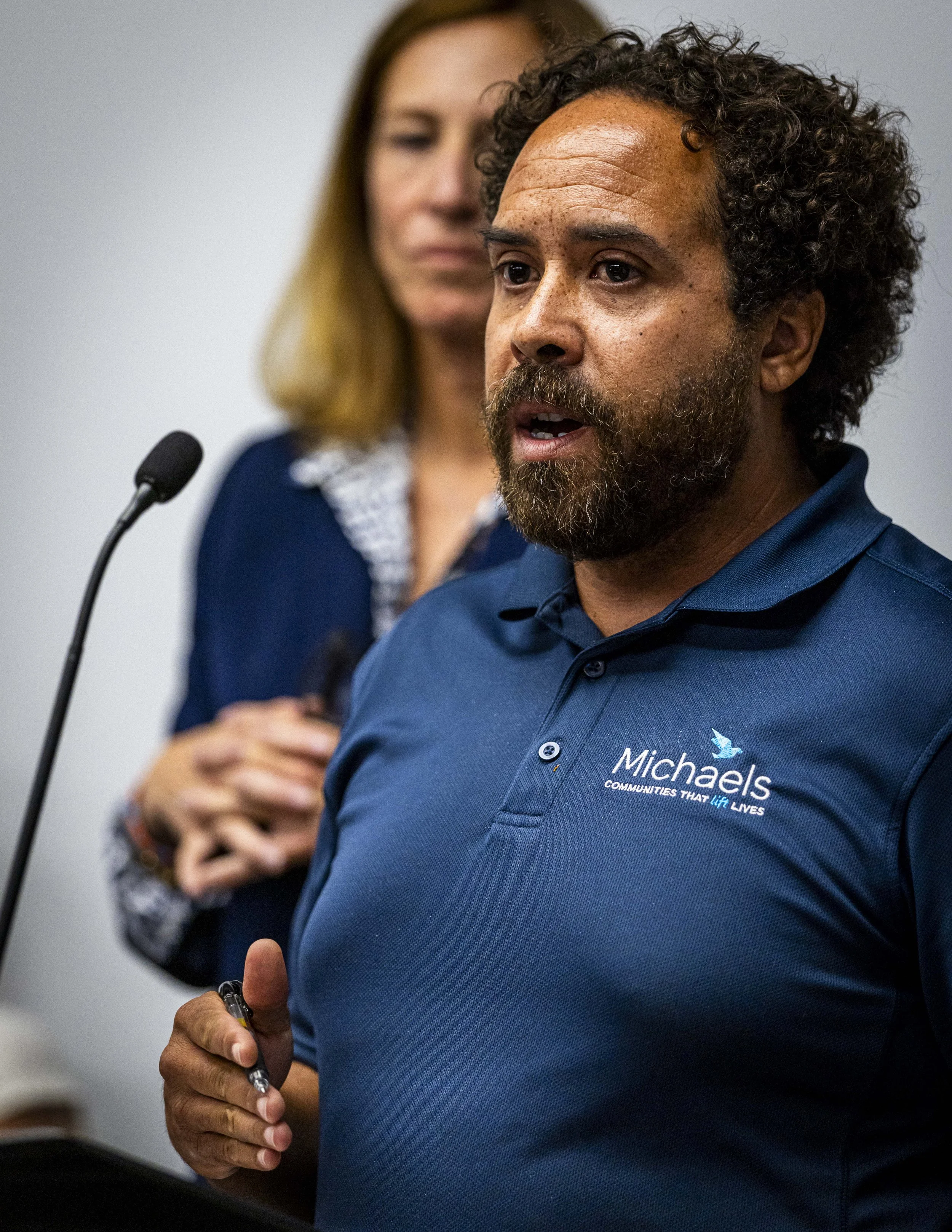
The project will house up to 746 students in 250 apartments. Michaels Student Living, the construction firm the board selected in July, has committed to a jointly developed schedule with SMC to complete the project before the start of the fall semester in 2030.