Plastic Bag Ban 2.0
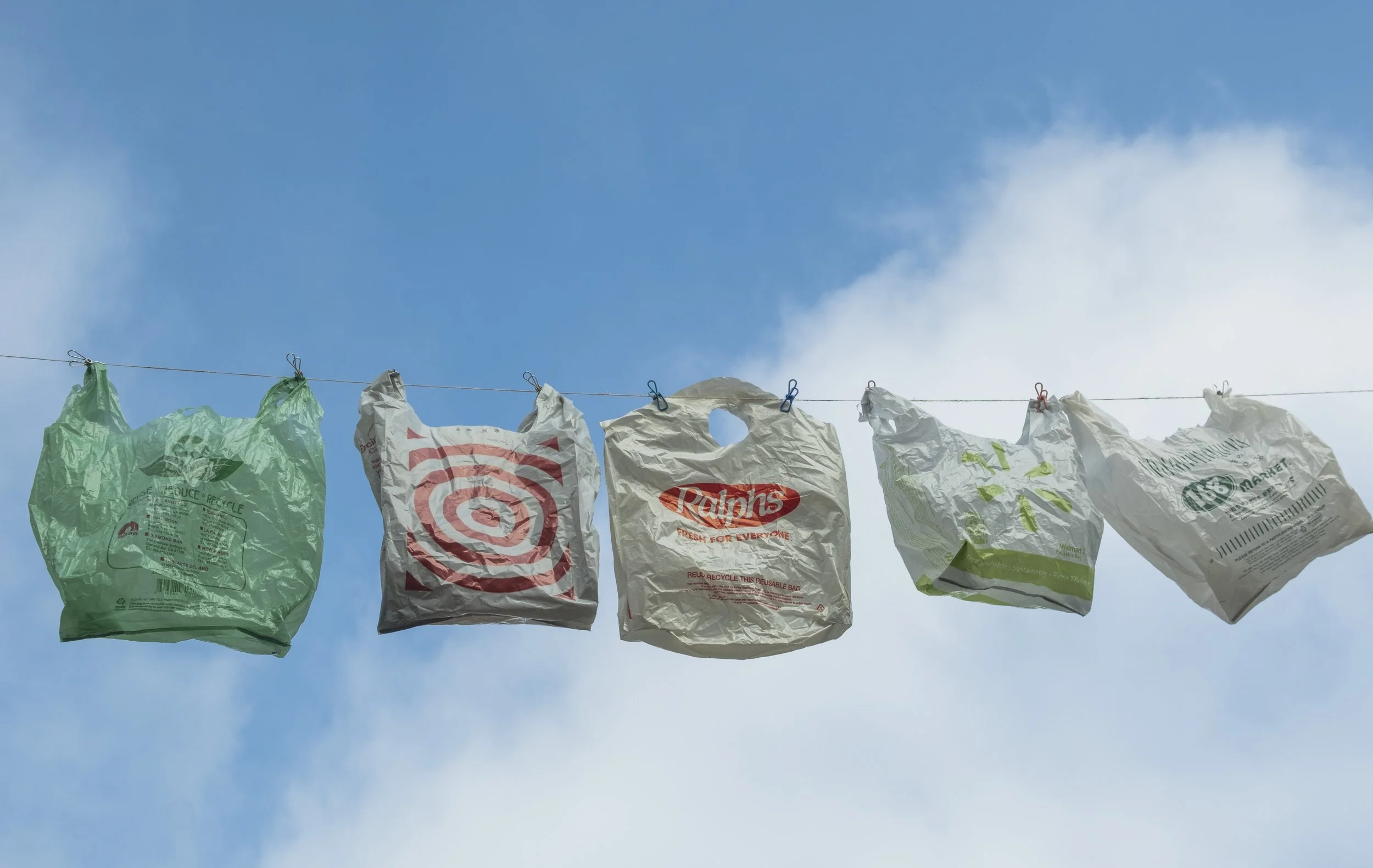
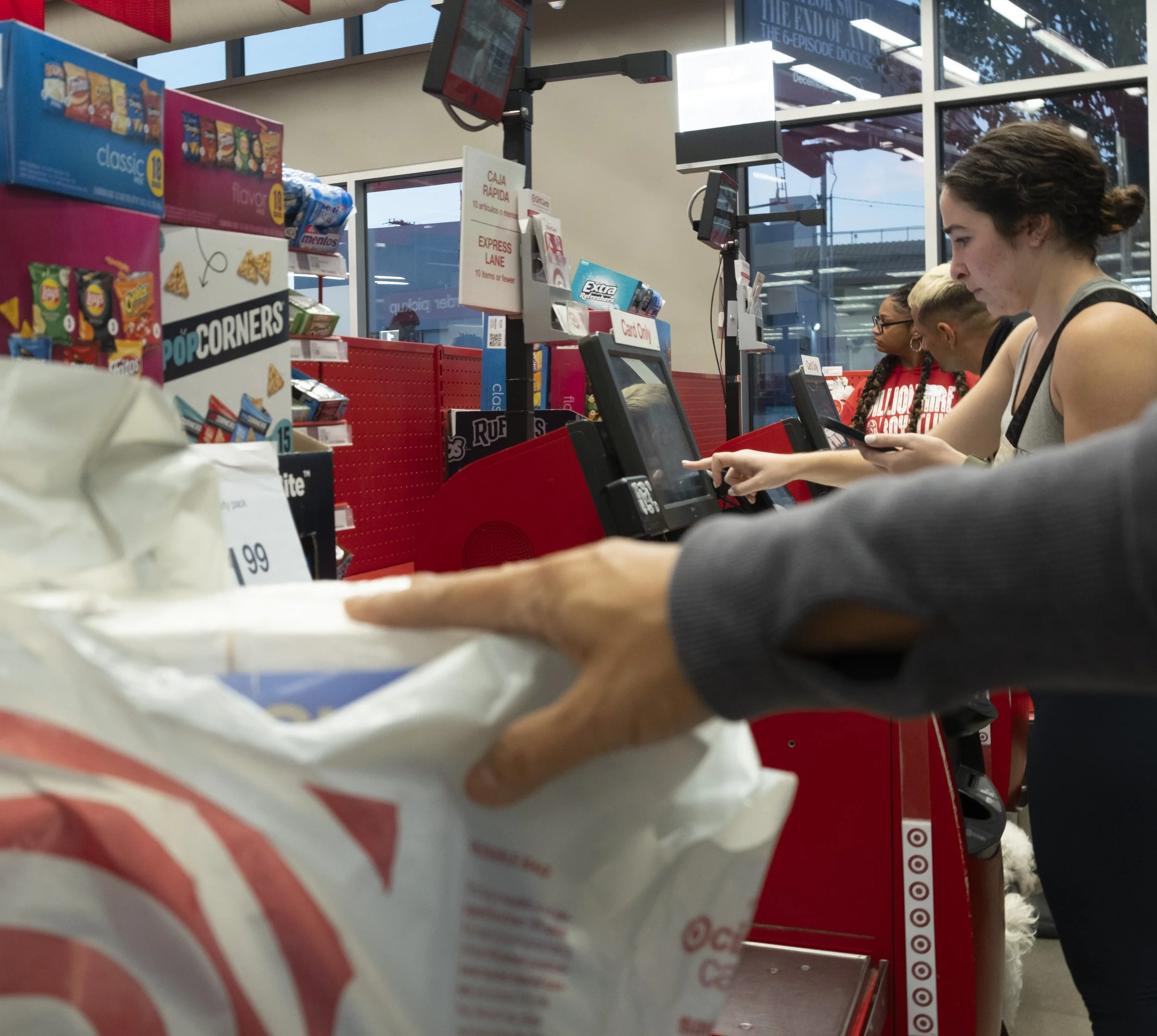
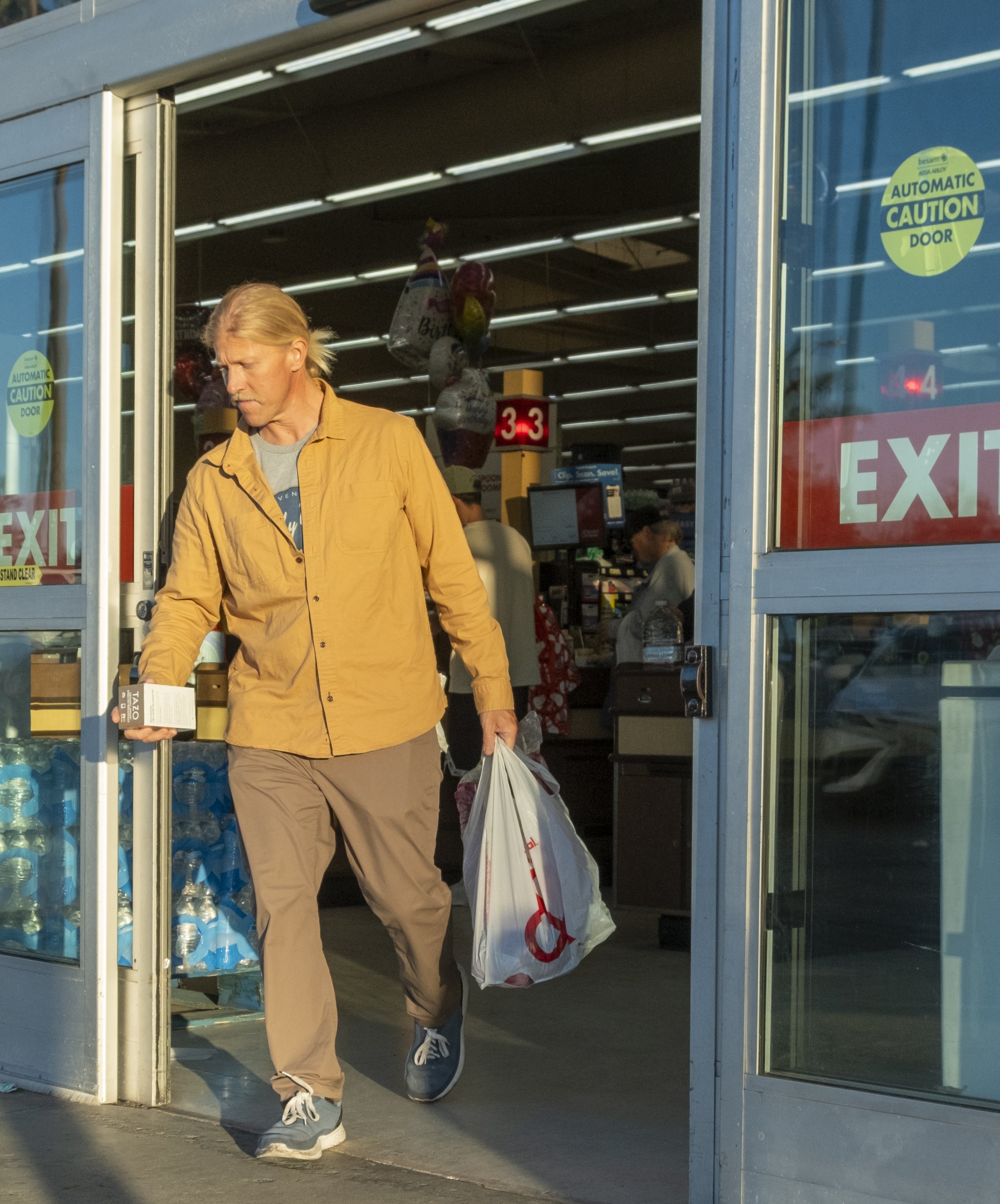
Beginning Jan.1, 2026, thick plastic carryout bags used in grocery stores will be banned, and many stores have already begun switching to paper bags ahead of the change.
Senate Bill 1053, which takes effect on New Year's Day, prohibits stores from distributing any type of plastic carryout bags. Instead, vendors must offer paper sacks containing at least 40% recycled material for a minimum charge of 10 cents. The required recycled content will increase to 50% in 2028.
California first enacted a plastic bag ban in 2015 with Senate Bill 270 to reduce waste. At the time, plastic amounted to 10% of landfill waste, and plastic grocery bags alone accounted for an estimated 157,395 tons, according to a 2014 report from the California Department of Resources Recycling and Recovery (CalRecycle).
Under SB 270, grocery stores were required to eliminate single-use plastic bags and replace them with paper bags or reusable, recyclable plastic sacks. Stores are also asked to provide recycling bins to collect used plastic bags.
Plastic manufacturers seized on an exception to “single-use carryout bags” and created a thicker, heavier plastic version made of high-density polyethylene (HDPE). These bags were marketed as "recyclable" and allowed under the 2015 law.
Despite manufacturers labeling HDPE bags as recyclable, the California state attorney general claimed they weren’t. According to a press release on the lawsuit settlement, “despite the manufacturers' claims and widespread consumer belief, these plastic bags do not, in fact, appear to generally be recyclable, let alone ‘recyclable in the state,’ as SB 270 requires.”
During the coronavirus pandemic, concerns about virus transmission led retailers and consumers to treat thick plastic bags as single-use items, whether as reusable receptacles as intended. In 2020, Gov. Gavin Newsom issued Executive Order N-54-20, suspending the single-use plastic bag ban for 60 days. At the same time, global supply chain disruption and increased demand caused a paper shortage, according to NBC’s ”Today” show, making plastic bags the predominant carryout option.
Nearly a decade after the ban, thick HDPE substitutes replaced the thin, lightweight, low-density polyethylene (LDPE) plastic bags in stores. Collection and recycling bins have largely disappeared, and the amount of plastic bags in landfills has increased.
A 2023 ABC News investigation placed 46 tracking devices in plastic bag recycling bins and found that most ended up in landfills.
In fact, plastic bags are not accepted at the majority of recycling centers in California. According to an investigation from the attorney general’s office, “Out of the 69 facilities surveyed, only two claimed to accept plastic bags, but could not confirm the bags were, in fact, recycled.” Santa Monica’s City website advises residents, “Please do not put any soft plastics of any kind, such as bubble wrap, chip bags, sandwich bags, tortilla bags, or bread bags, as these items get stuck in the machinery at the recycling facility.”
According to CalRecycle, which oversees California's recycling and waste management, a 2021 report found that six years after the ban, plastic grocery bags in the landfill skyrocketed to an estimated 231,072 tons — a 47% increase.
To close this loophole, SB 1053 redefines the definition of a “single-use carryout bag” to a “carryout bag,” effectively banning all plastic bags.
However, the original ban did reduce the amount of plastic bags entering the ocean. Based on historical data collected since the ban took effect in 2014, the California Coastal Commission, which tracks items collected during California Coastal Cleanup Day, reports that plastic grocery bags have decreased substantially.
SB 1053 may finally do what SB 270 intended — reducing plastic bag waste.