
¡Trucha, La Migra! Los Angeles community patrols in response to ICE operations
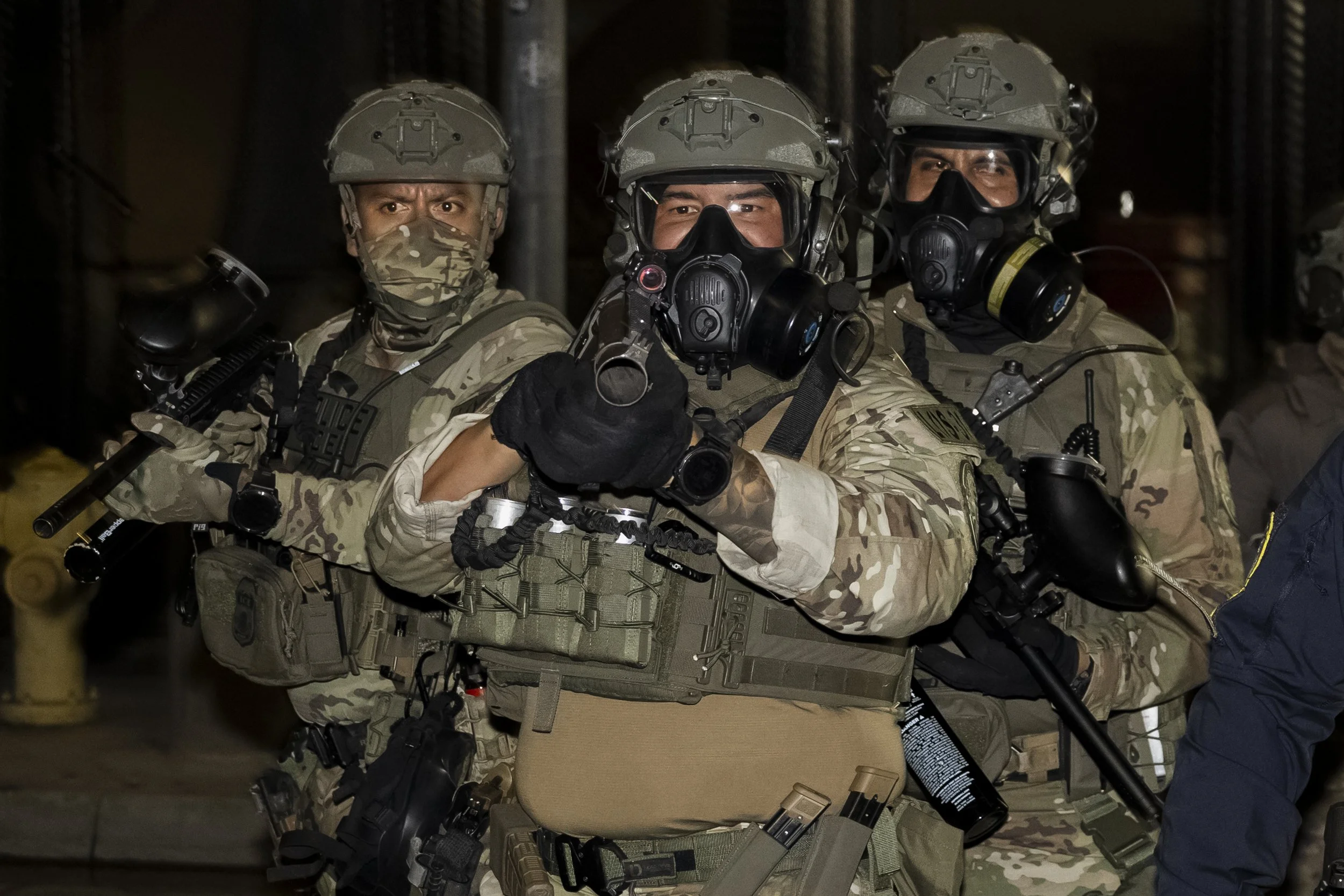
The Community Self-Defense Coalition, comprising more than 80 organizations, is hosting community patrol classes at the United Teachers of Los Angeles building in downtown Los Angeles on Saturdays in response to Immigration and Custom Enforcement operations.
Community patrolling involves “watching law enforcement and just basically making sure that that surveillance is prevalent in a way to sort of mitigate unlawful behavior in those communities and excessive harassment and policing,” said Regis Peeples, a professor at Santa Monica College and a doctoral candidate in multicultural studies and anti-racist curriculum development.
He said, “It also involves helping people understand their rights, so usually with community patrols, they’ll either vocally tell people their rights, they’ll have signs or they’ll have books or like cards.
“SMC uses those red cards right to help people understand their rights because when you know the Constitution, law enforcement is less likely to mess with you, especially the bad ones that are lying about your rights and trying to convince you that they’re not your rights.”
The Community Self-Defense Coalition says it needs help defending people from federal agents, who are “kidnapping” their neighbors at worksites, churches and court-mandated hearings.
Law enforcement started arresting people in previously considered “sensitive areas” in January 2025, after former Department of Homeland Security Secretary Benjamine Huff rescinded Biden-era guidelines that prohibited the practice. In a press release, a spokesperson for DHS stated, “Criminals will no longer be able to hide in America’s schools and churches to avoid arrest. The Trump Administration will not tie the hands of our brave law enforcement, and instead trusts them to use common sense.”
The Supreme Court also overturned a lower court’s ruling, 6-3, in September 2025 that stopped the use of “roving patrols” based on a person’s appearance. In Justice Brett Kavaughn’s concurring opinion, he stated that a person’s occupation, spoken language and ethnicity constitute reasonable suspicion.
To protect one’s neighbor, the coalition claims that a proactive community protection method is participating in a neighborhood canvassing initiative. The political organization Unión del Barrio’s website states that they’ve been organizing foot patrols since 1992 in response to colonial attacks, primarily by militarized police forces.
Community patrollers rely on being loud and on people mobilizing to inform their neighbors that ICE is in the area. Constant whistles are an alert that federal agents are nearby; one long sustained blow means a person was “kidnapped,” the coalition’s community patrols presentation states.
“No megaphone? Use your voice: ‘La migra, la migra,’” said the instructor during class. “Get loud, form a crowd — ‘ICE is here.’”
He requested anonymity, citing safety concerns, but teaches the hour-and-a-half patrolling class as a longtime member of UdB. “This is where I’m from,” the instructor said. “For me, every single day, knowing that like my gente, my working class people, people that just want to do good, who are indigenous to this land, that just want to live, that just want to work, that want to just get by and feed their families, they shouldn’t have to be terrorized.
“They shouldn’t have to worry about walking out or whether they can go somewhere or not go somewhere or whether some Gestapo is going to stop them. That shouldn’t be life for anyone,” the instructor said.
To help mitigate unnecessary policing, he teaches people to stay aware — “trucha” — of federal agents from the DHS and its various agencies, including ICE, Customs and Border Protection and U.S. Citizenship and Immigration Services.
When reporting a sighting to the coalition, patrollers use the acronym SALUTE: Size of the force, Actions, Location, Uniform, Time with the date included, and Equipment or weapons, he said during class. With that information, they can publicize the sighting on various social media pages and different community Signal channels.
“We don’t disrupt, chase or prevent ICE operations; we simply alert communities of ICE presence and constitutional rights,” the instructor said.
Whenever one encounters an ICE interaction, the best thing to do is attempt to gather that individual’s A-number, emergency contact, full name and date of birth. “Observe from afar. Only document from afar,” said the instructor during the class. “Stand on the opposite side of the sidewalk to not impede or get arrested.”
As the instructor spoke, someone sitting in the back yelled, “Record your feet to prove you’re complying.”
In community patrol reporting, differentiating between the DHS agencies and their functions — primarily CBP and ICE — is essential to prevent misleading reports, according to the presentation.
Patrollers need to keep a lookout for CBP’s Border Patrol and its Office of Field Operations, said the instructor during class.
“The Office of Field Operations is the largest component in CBP and is responsible for border security — including anti-terrorism, immigration, anti-smuggling, trade compliance and agriculture protection — while simultaneously facilitating the lawful trade and travel at U.S. ports of entry,” CBP’s website states. Los Angeles is one of 20 cities with a field office.
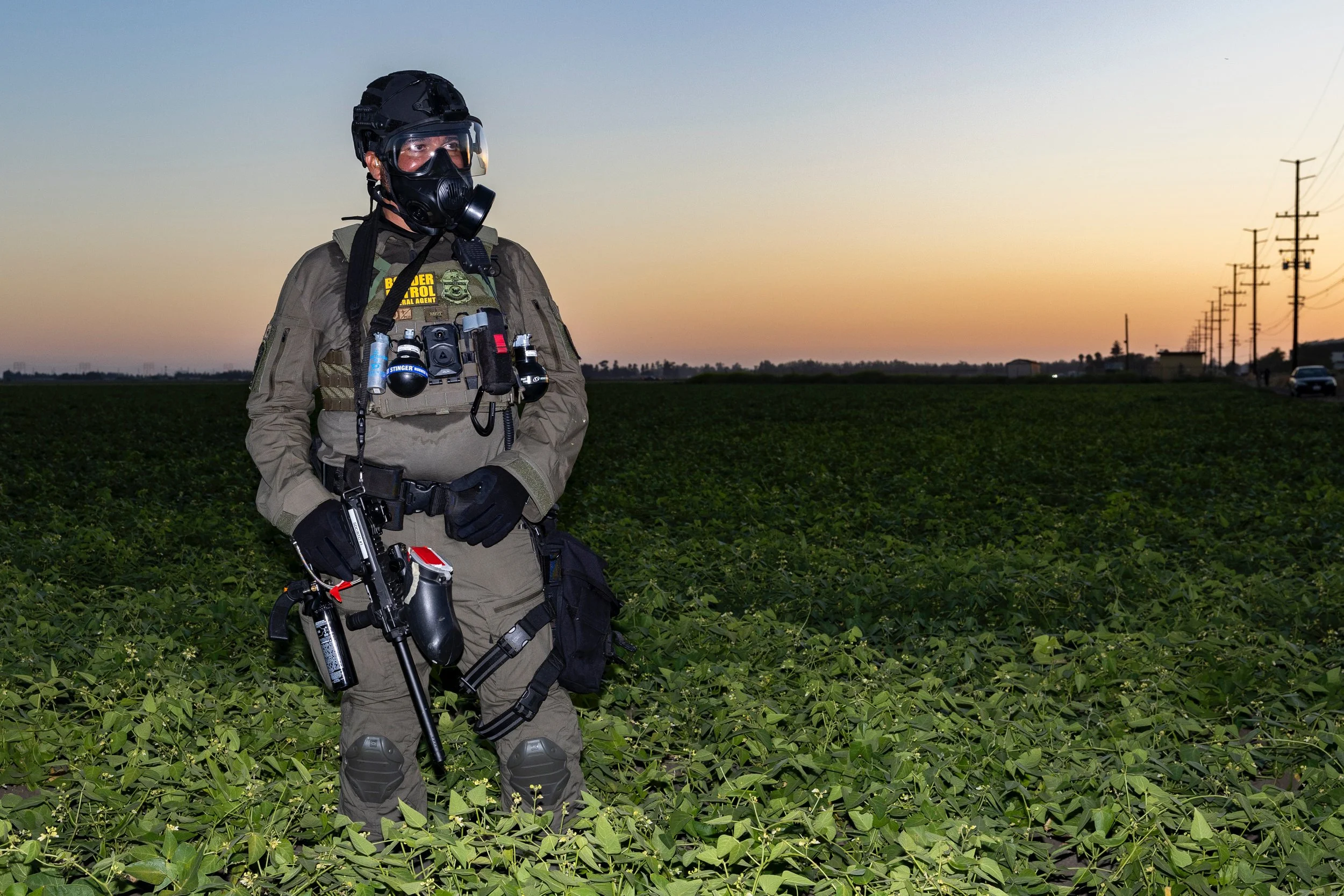
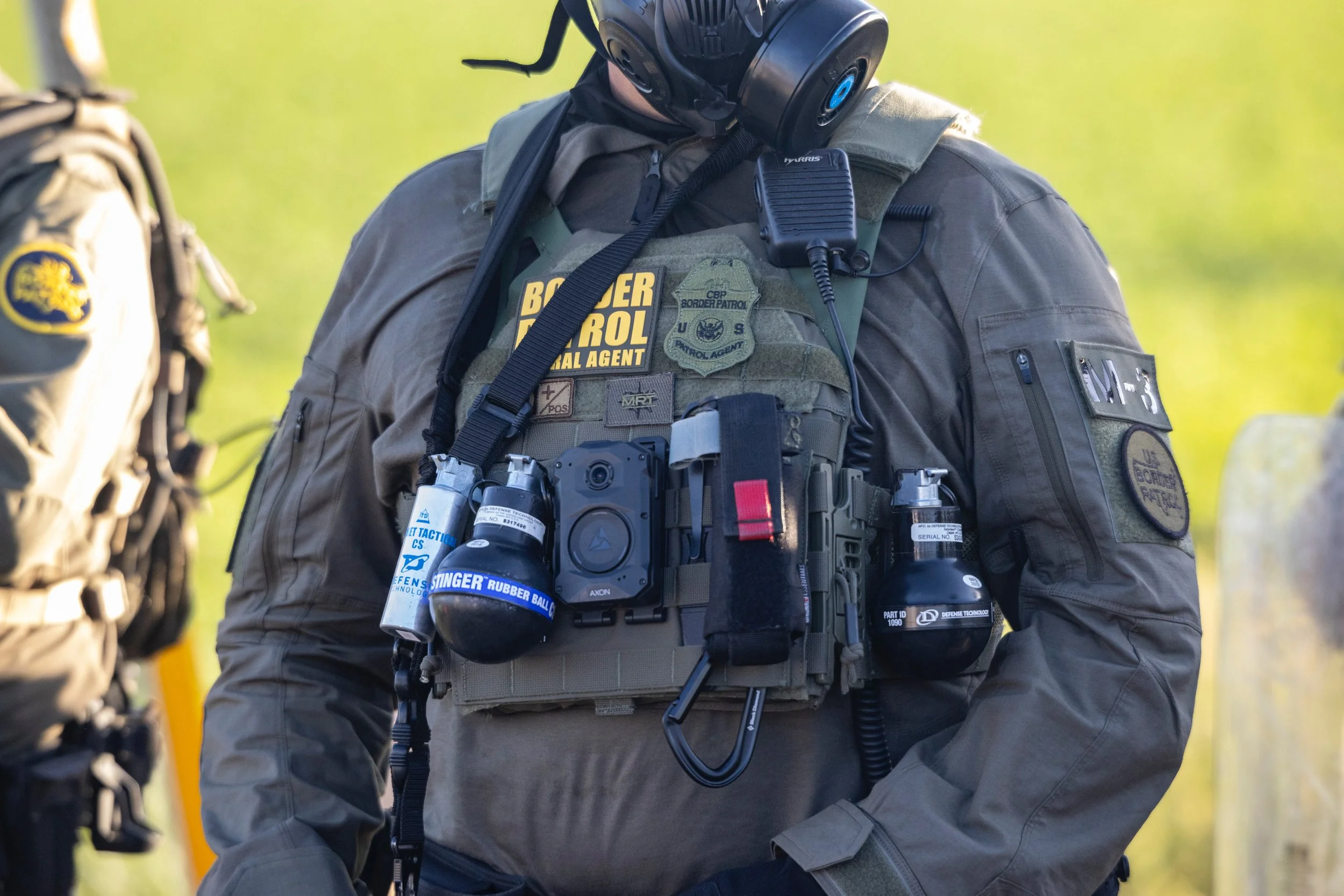
Border Patrol enforces immigration laws and detects, interdicts, and arrests people who enter the country illegally or smuggle migrants or contraband across the border, according to CBP’s website. During class, the instructor said that Border Patrol is the agency within CBP that patrollers need to be most aware of; they wear green camouflage, drive white vehicles with a green vertical stripe on the rear, and have approximately 22,000 agents.
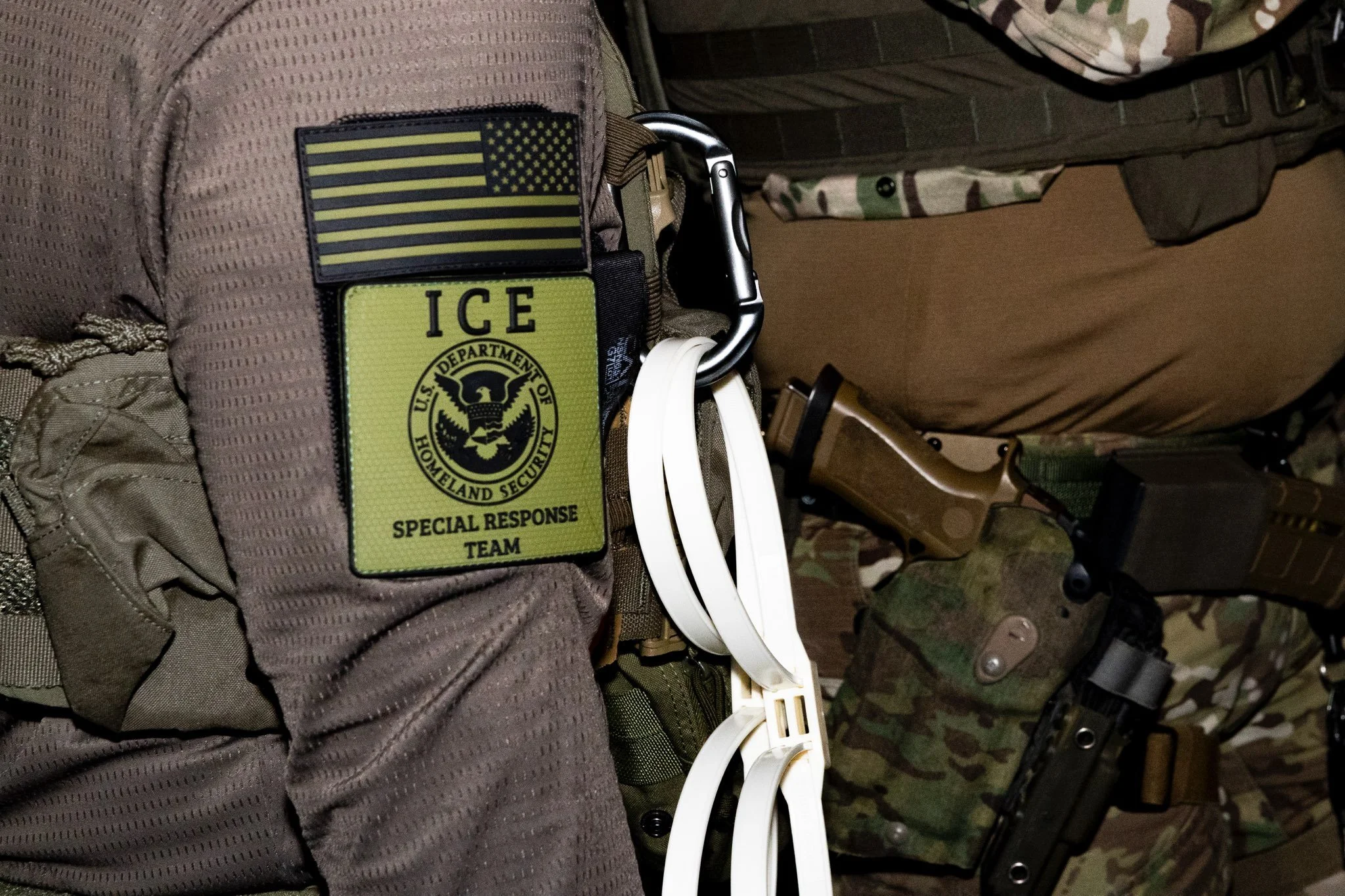
The presentation states ICE has two main entities: Enforcement and Removal Operations and Homeland Security Investigations.
HSI is the principal investigative component of DHS — consisting of more than 10,400 employees — that investigates the illegal movement of people, goods, money, contrabands, weapons and sensitive technology, ICE’s website states.
ERO enforces immigration policy within and beyond U.S. borders, searching for convicted criminals, people who have violated immigration laws and immigrants who have illegally reentered the country, according to ICE’s website. During class, the instructor said, ERO officers wear apparel marked with the acronym, or can be seen in plain clothes and a tactical vest.
Patrollers are instructed to keep “trucha” for ERO officers. They typically perform door-knocks between 5:30 a.m. and 10 a.m., but have recently switched to midday “snatch-and-grabs” because rapid community mobilization has prevented them from illegally detaining people, said the instructor during class.
An indicator of an incoming immigration sweep is suspicious activity and behavior in the community. In class, the instructor said that a car illegally parked in the fire lane with dark-tinted windows and a cage probably belongs to ICE; the likelihood goes up if there are masked men inside.
A grouping of 10 or more government vehicles can be a possible staging location for ICE raids. The coalition claims federal agents frequently drive Ford Explorers, Dodge Durangos, and Chevy Impalas; sometimes they use unmarked cars without plates or rentals with civilian registration.
“It’s important to identify ICE during the first phases — you have to keep an eye out to identify, report and inform; before they start,” the instructor said during class. The first phase is intelligence collection, followed by surveillance and planning and then comes operation day, he said. Law enforcement monitors for an extensive period, and it’s during that window that patrollers are best equipped to protect someone, according to the presentation.
However, even with a team of patrollers, there are risks associated with monitoring law enforcement. Carlitos Ricardo Parias, a TikToker streamer, was shot alongside a U.S. marshal while observing ICE in South Los Angeles. Community patrollers and protesters at the Metropolitan Detention Center, a migrant holding facility in downtown LA, have also reported being followed by federal agents.
The Corsair reached out to ICE and CBP for comment on the effectiveness of community patrols, possible dangers and legal ramifications, but as of publication, neither has responded.
Still, “Historically, nothing has kept a community safe like the strong will of the people,” said the instructor during class. It’s the reason the coalition relies on numbers and people power.
But patrolling is only one part of community defense. According to Peeples, community services help, whether it's a garden or ensuring children are provided with breakfast, housing, and education. “Most surveillance programs actually address immediate needs of those communities, especially when it comes to food insecurity,” he said.
The coalition will hold its next community patrol class on Saturday, January 24, at 11 a.m., followed by another on February 7 at the UTLA building in downtown LA.