
Dancing Well: Reimagining Movement as a Healing Practice
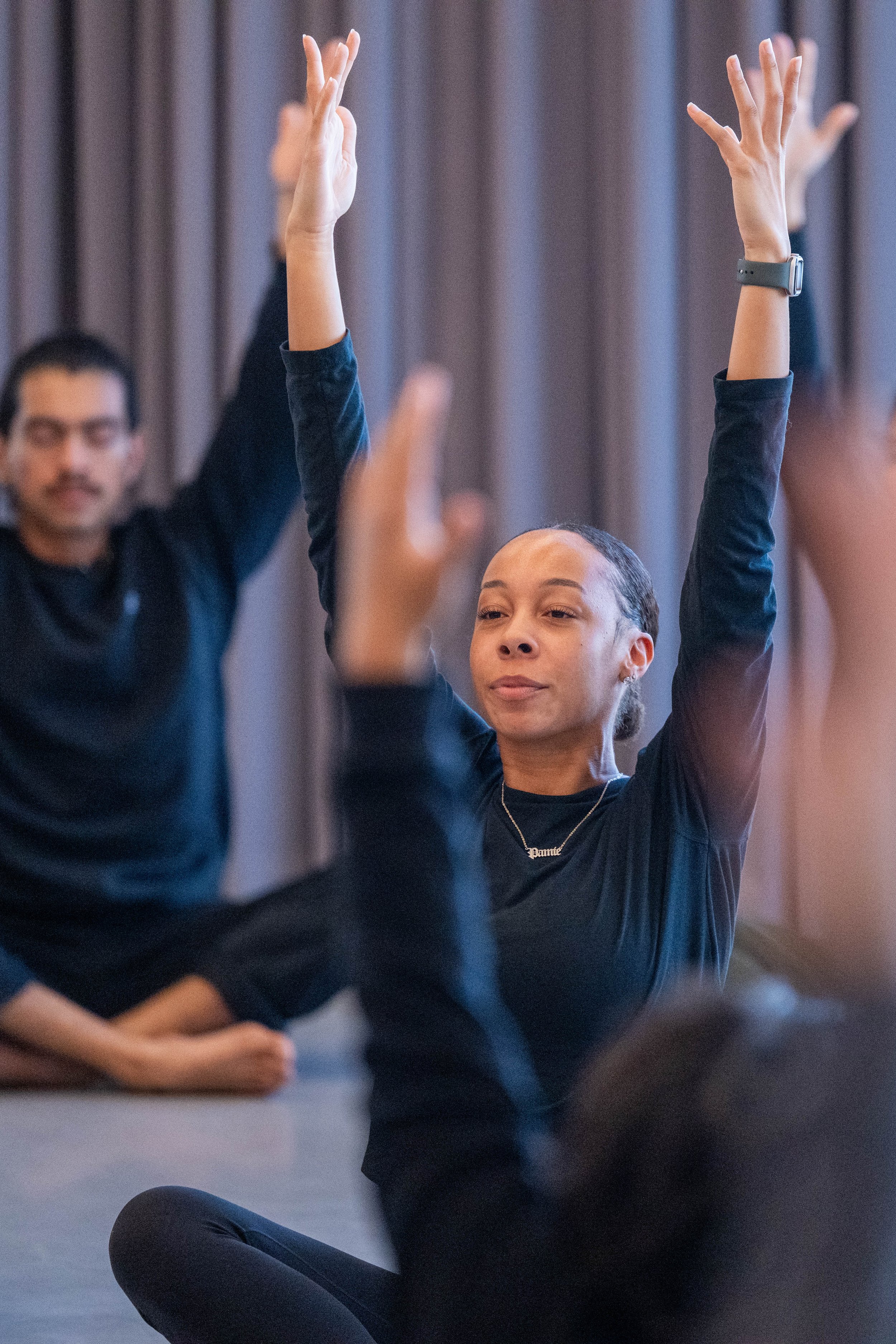
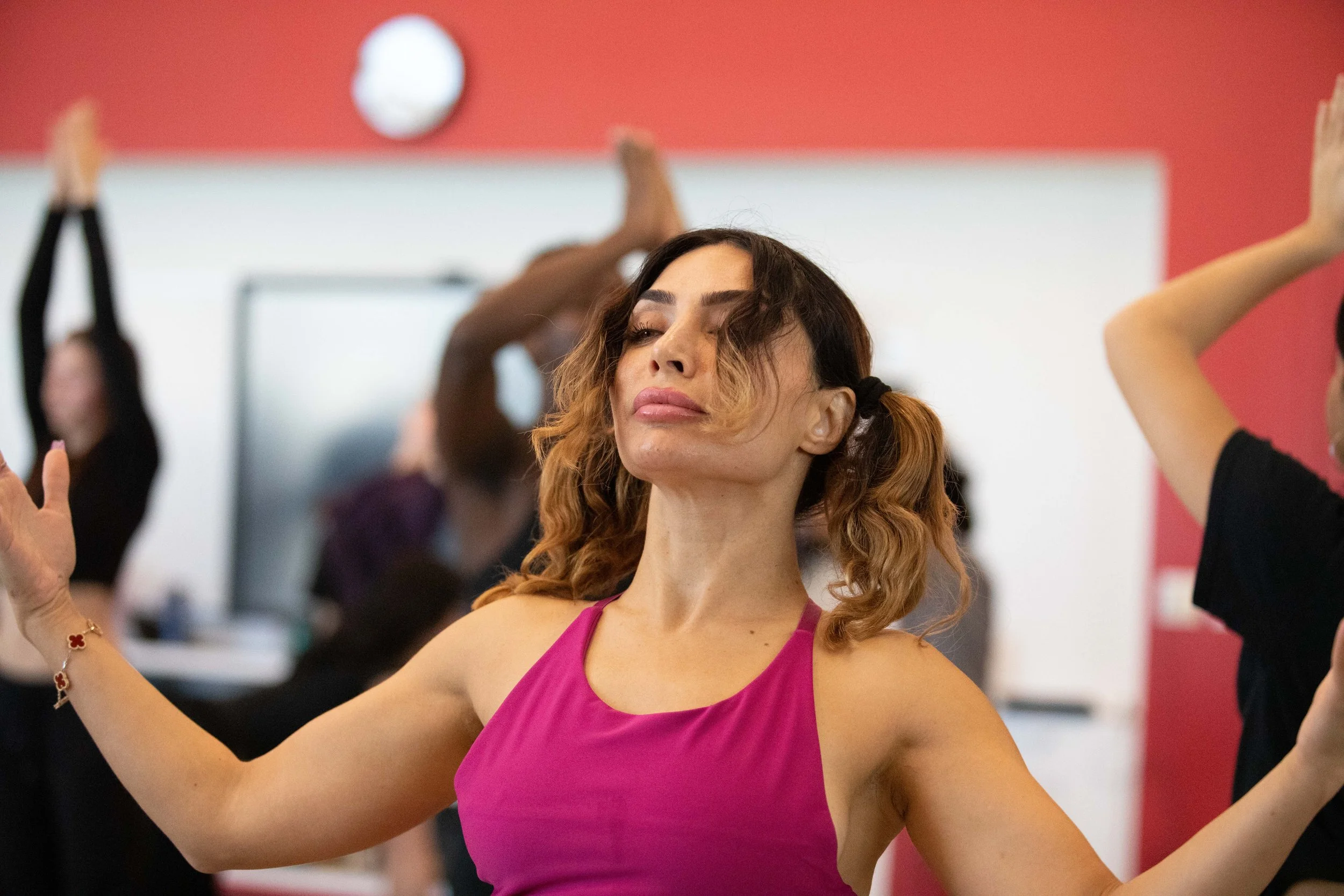
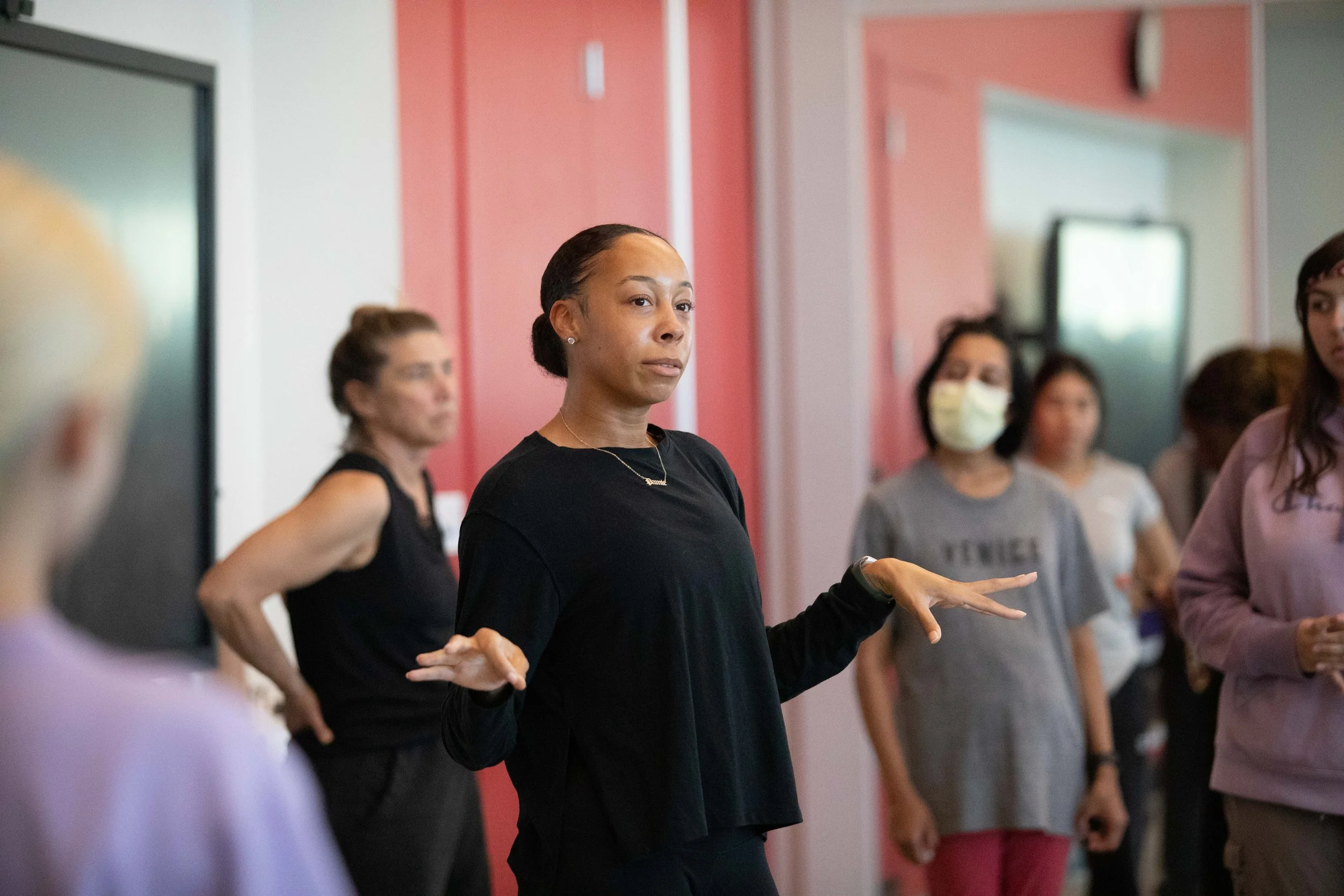
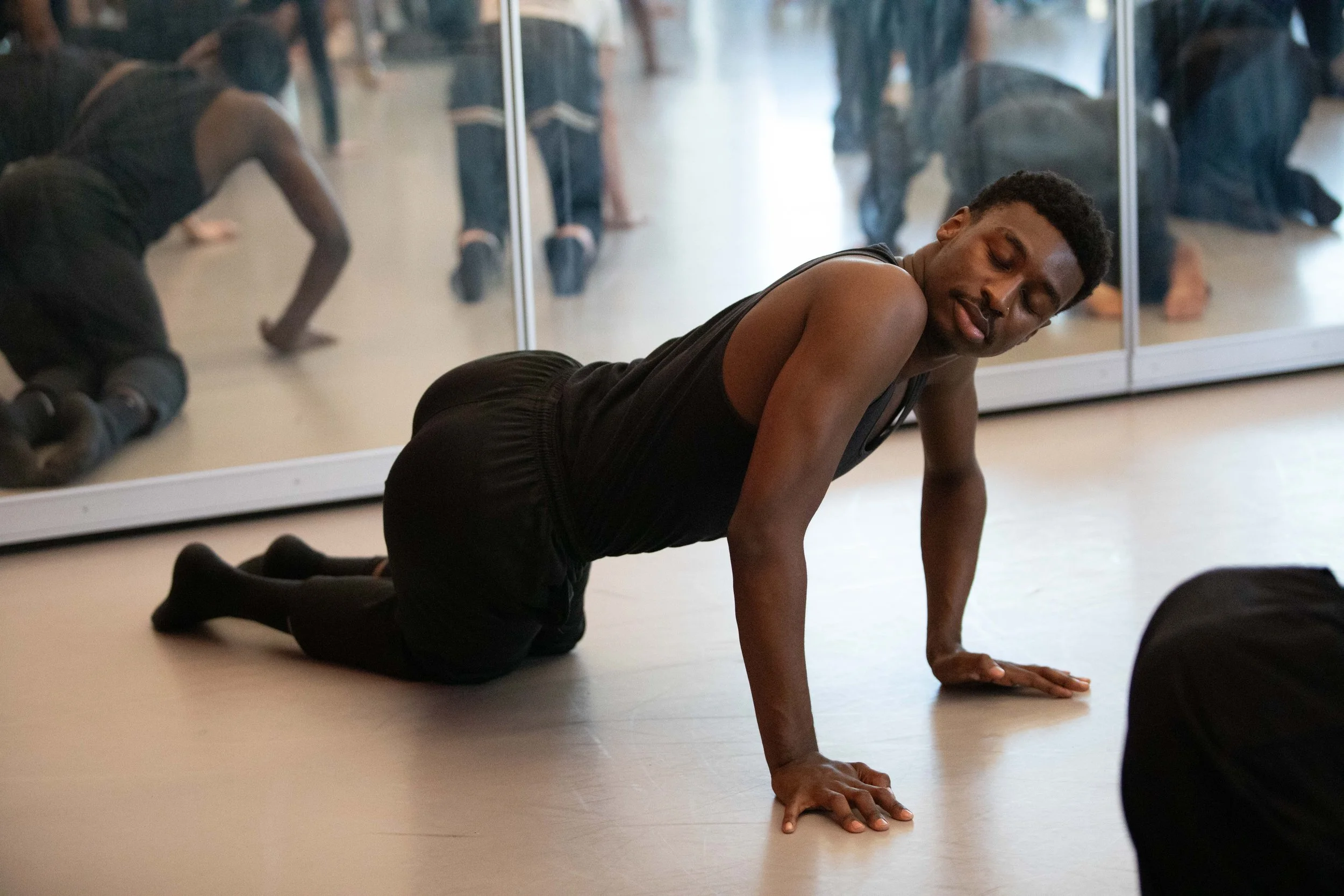

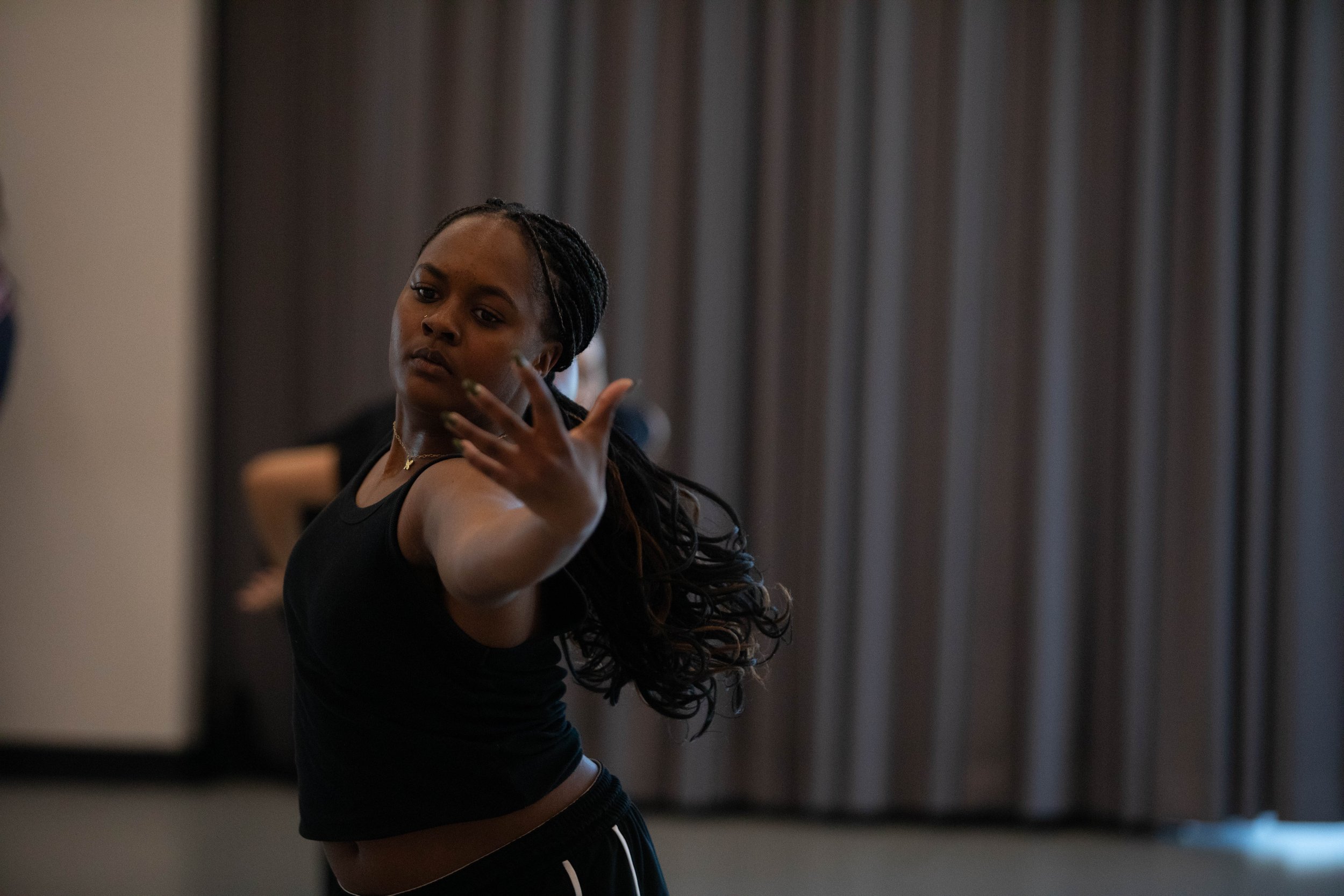
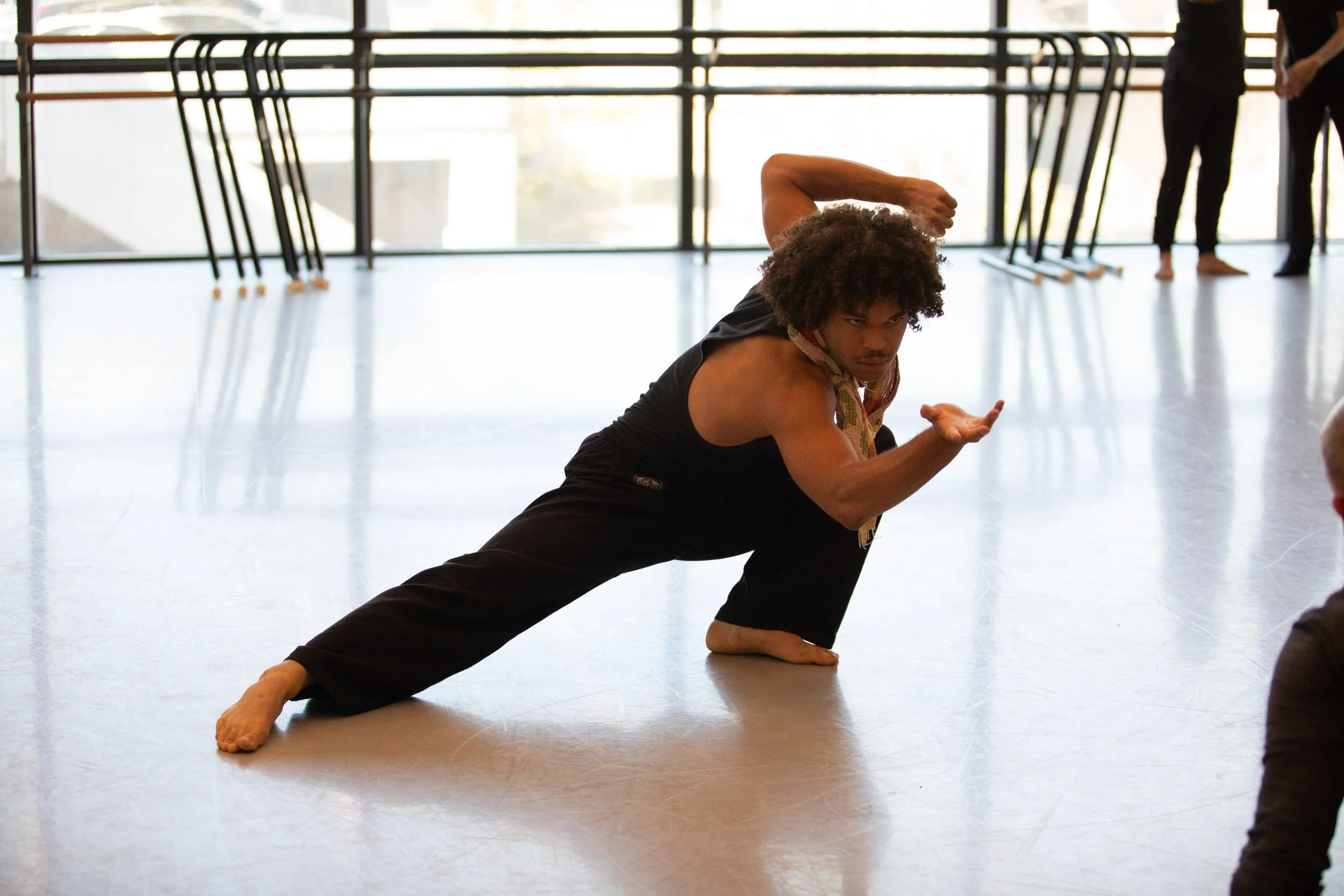
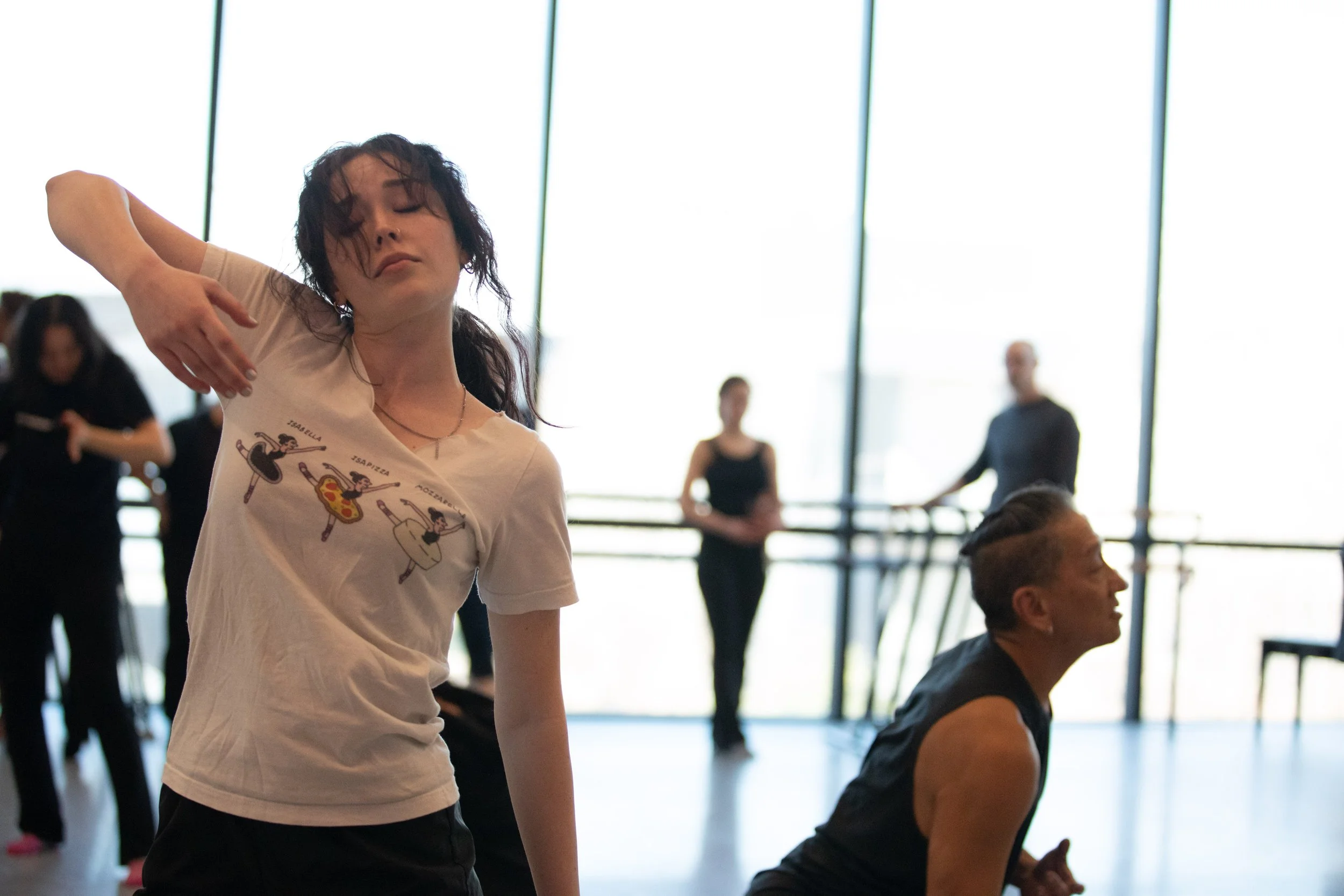
In the midst of the usual hustle and bustle at Santa Monica College, soft music fills a room at the Core Performance Center of Santa Monica College, while dancers lie quietly on the floor with their eyes closed. Naomi Hutchinson walks among them, guiding the students through becoming aware of their bodies and breathing.
The masterclass, hosted by the SMC Dance Department, was held for dancers to explore the connection between movement and wellness. Through a series of breathwork, stretches, reflection and dance, Hutchinson taught the students how to approach dance as a way to understand and care for their bodies and minds.
For Hutchinson, the founder of the hybrid community platform for well-being, Healthy+Well, the idea behind the workshop was rooted in her own experience.
“My inspiration was very personal,” she said. “I’ve been falling back in love with dance for myself, and I realized that the wellness component was something that was lacking.”
Even though traditional dance classes often emphasize technique and precision, Hutchinson believes there is also a need for spaces where dancers can take a moment to connect with their feelings and physical well-being.
“There’s plenty of dance classes where you can go and learn technique or choreography,” Hutchinson said. “But there’s not always a place where you can embody well-being. Dancers carry so much emotionally. It makes our dance better because we’re able to express it, but we also need to be taken care of.”
The class began with a group exercise where students introduced themselves to each other, expressed how they were feeling in that moment, and what “dancing well” meant to them. Small groups formed around the room, creating bubbles of conversation as students shared their unique perspectives.
An SMC student shared that dancing well is all about caring for their body in every aspect of their daily routines, and that for one another, it means being conscious of what your body is going through.
“I think dancing and wellness make you more aware of your body,” said SMC student Gigi Rodriguez. “You start noticing the things that aren’t aligned within you that you may need to heal through physical movement.”
After the introductions, the room moved on to breathing exercises and stretches that prepared the students for some guided improvisation. Hutchinson had the students move across the room to explore their emotions through the simple action of walking.
In one exercise, students walked across the room toward their goals, with purpose and urgency. Right after, they did the same thing, this time imagining a personal fear of theirs was standing in their way. This was a way for them to see how the same motion, such as walking, could still vary depending on circumstances.
The room exploded with movement a moment later.
The dancers slid across the floor, spinning through the space as they expressed and experimented with their own interpretations of different prompts provided by Hutchinson. Some movements were expansive and energetic, while others were slow and deliberate. A few students crossed the room alone, while others found a collaborator along the way. As the exercises continued, layers of clothing were shed as people became more confident. For Christopher Devant, a student dancer at SMC, the experience offered something rare: a peaceful break.
“It kind of takes you away from reality for a minute,” Devant said. “When you're dancing and giving your all, you're just in the moment.”
Other students were grateful for the chance to step away from the usual structure and discipline that often accompany dance training.
“It strips away the rigidness,” said SMC student dancer Taryn Key. “Instead of focusing on choreography or style, it becomes about your lived experience. And being a soul, being a person, and living in your mind.”
Hutchinson hopes to encourage dancers to think differently about their relationship with movement.
“Good is the dance where you feel your spirit dancing, it’s beyond just your body movement,” she said to the students. “That spirit connection, that soul.”
Additionally, she emphasized the importance of wellness practices, such as meditation or journaling, for dancers to process the stress and emotional experiences that often become stored in the body.
The class ended the same way it began: in stillness. Sitting quietly on the floor, dancers closed their eyes and returned to their breath, followed by a brief discussion about the importance of incorporating wellness into their lives and how to do it.
“Everyone deserves to be well,” Hutchinson said. “To be well means having joy and being in tune with yourself.”