
SMC Board of Trustees in strife over budgetary action plan
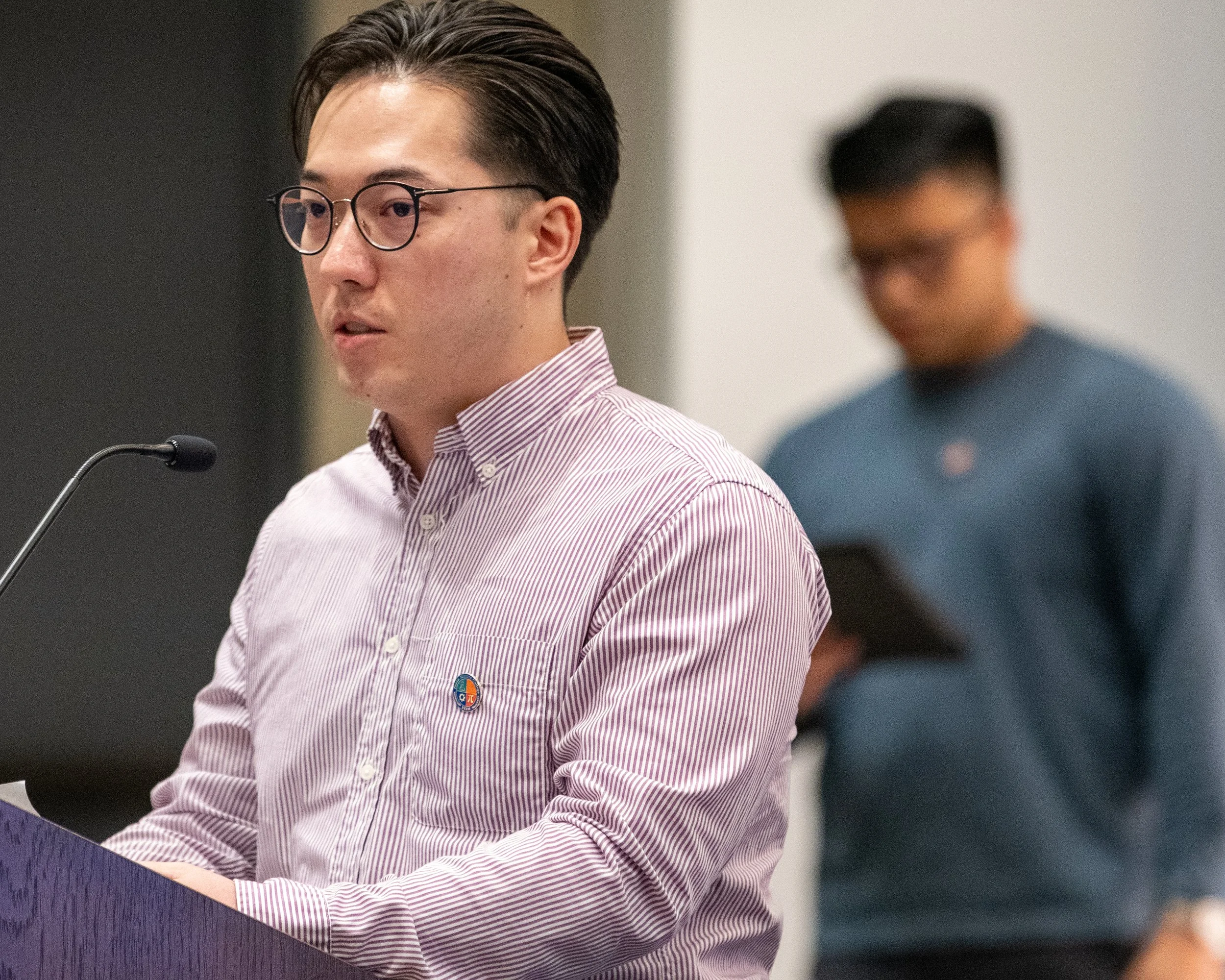




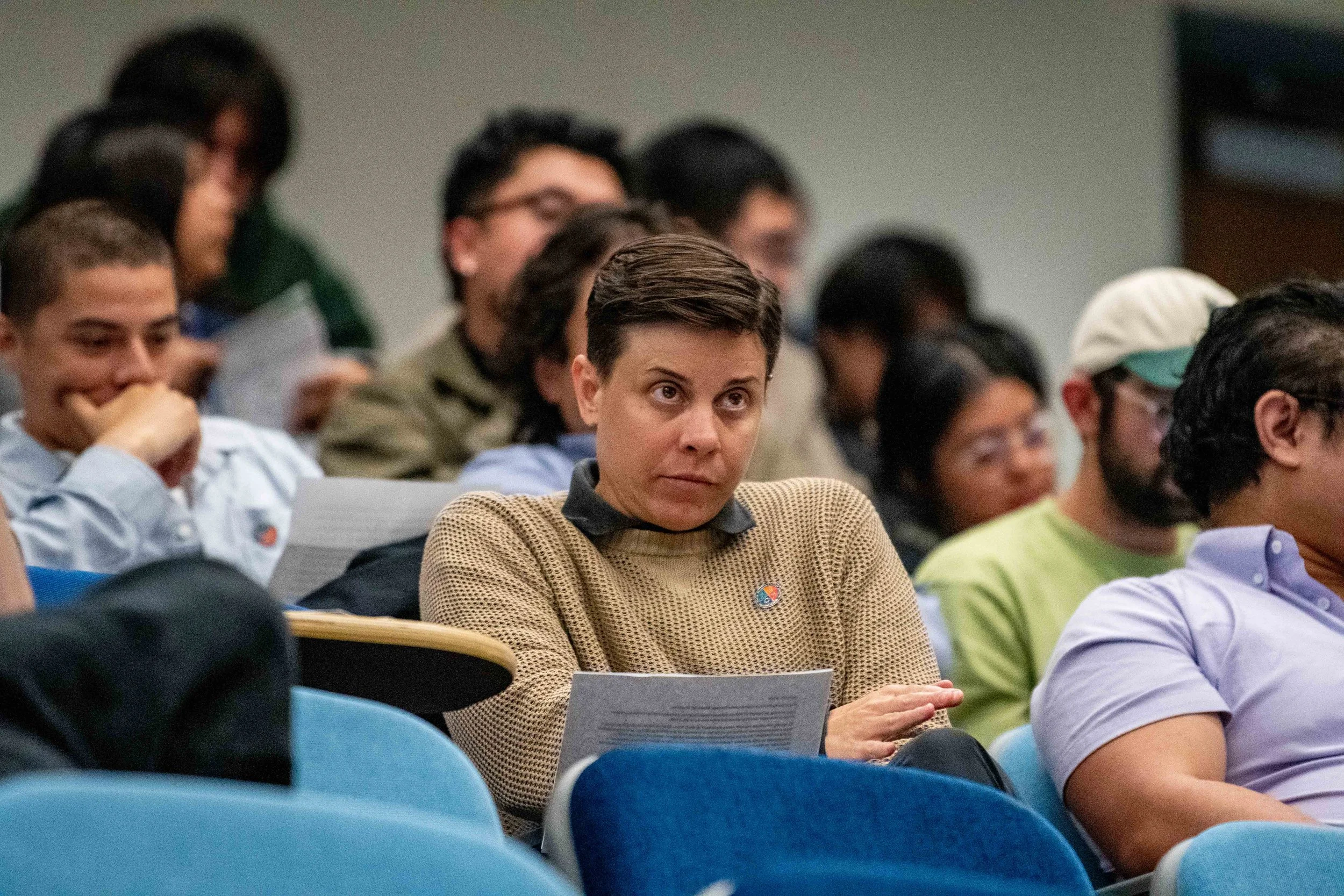











Dozens of people attended the Santa Monica College Board of Trustees meeting on April 7 to receive an update on the institution's layoff plan only to find out that the proposals were struck from the agenda.
The trustees decided to pull the proposals because they weren’t in “total agreement,” said trustee Margaret Quiñones-Perez.
“There’s uncertainty, and I don’t agree where the majority of the vote of the board is; I don’t agree with it,” Quiñones-Perez said. “There are cuts that we need to do, and the cuts should not be with the faculty, and not all the support staff.”
The board struck Recommendation No. 23, which rescinded 49 layoff notices that were sent to certain classified managers. They also pulled Recommendation No. 24, which offered new employment contracts to 40 educational administrators. Both struck agenda items are part of a three-proposal package of cost-reduction measures meant to raise $6,257,699 for the general fund, according to the April 7 agenda.
“Together, these measures represent a deliberate and equitable approach to shared sacrifice,” the agenda states.
Out of the three measures relating to the layoffs, the board only voted on Recommendation No. 22, a salary freeze and two days of furlough for all management and confidential personnel. The proposal passed 5-0. Trustee Rob Rader abstained from the vote and board chair Dr. Sion Roy was not present.
In February, the board passed two resolutions, resulting in the elimination of more than 70 jobs. The trustees voted to abolish certain management positions 6-1, with Rader being the only opposing vote. The other resolution, which reduced classified staff, passed 4-3, with Rader, Quiñones-Perez and trustee Nancy Greenstein opposing the vote.
On Tuesday, Rader cited multiple issues that led to SMC facing a $17 million budget deficit. The trustees “ignored the warning signs,” covered ongoing expenses with one-time revenue and failed to develop a strategic plan that confronted reality, said Rader, during the meeting.
Quinoñes-Perez added that the college has an overreliance on attracting international students to fix the college’s financial problems, instead of catering to nearby communities.
Additionally, the board has two new trustees who are still in the learning process, and one “senior board member that thinks they know what they’re doing and wants us to operate like corporate America,” said Quinoñes-Perez, during the meeting.
Board meetings are usually held in the Business Building, Room 117. On Tuesday, it was held inside the Student Services Center.
Fifty-eight people signed up for public comment. Typically, commenters have two minutes to speak, but due to the crowd size and time restraints, the limit was reduced to 60 seconds, said trustee Tom Peters, during the meeting.
Most public commenters were students and alumni from STEM Y MÁS who came in support of the program’s manager, Vanan Yahnian. Forty individuals, including counselors, student workers, and alumni, rallied in defense of Yahnian, according to Bryan Hartanto, a student worker.
“The administration’s tone-deaf decision to the layoff significantly undermines the credibility of the school support towards STEM-majoring students, who at most times include peers from underrepresented backgrounds,” stated Hartanto in an email to the Corsair.
Yahnian has managed STEM Y MÁS for well over a decade, which is funded through a federal grant. Everything related to the program is grant-funded, including employee salaries, said Yahnian.
None of the district’s budget goes towards us, which makes me ask, why me, said Yahnian.
Multiple members of Associated Students also attended the meeting in support of the associate dean of student life, Thomas Bui. This is the second time people within the student government have rallied behind Bui in front of the trustees. Their first public attempt was during March’s trustee meeting.
“Thomas is the one that guides us through processes and how to speak in front of the Board of Trustees or speak to faculty members to get things done that students want to see on this campus,” said Nahomy Rivas, A.S. Director of Activities. “Without the associate dean, we risk not only student life and clubs, but we also actively risk retaining students that come here and see events and student life.”
“Without student life, we'll see not only student leaders diminish, but also, we will actively see students not wanting to commit here; so, please reconsider,” Rivas said.
According to trustee Luis Barrera Castañón, the board is trying to figure out the right path forward, and looking at all available decisions to ensure SMC won’t have to restructure again in the future.
During the meeting, Castañón said that he feels “frustrated,” and that he remembers sitting across from the trustees as “the undocumented A.S. president” facing program cuts 23 years ago.
“It really lit something inside of me that I wanted to come back, and actually serve in this capacity, and to try to bring transparency and to try to support,” Castañón said.
On Tuesday, an auditorium full of people asked the board for transparency into the layoff process and metrics used, and they were told that the college has been transparent.
“It’s really hard to sit here and listen to people say there was no transparency and information that’s been shared; I don’t think that’s quite accurate,” said Superintendent and President Kathryn Jeffery. “However, I understand that people interpret things the way they interpret it.”
“We’ve shared information in a lot of different ways about the budget over the past several years. Information is available right now that shares in detail a lot of things that relate to the budget and how we got to where we are,” Jeffery said.
Despite pushing back on calls for transparency, Jeffery said that she hopes to contribute something to the success of every student who enrolls at SMC. The number of people who continue coming to board meetings to speak in defense of the people who’ve received layoff notices from the college “is evidence that what we’re doing, we’re doing it well,” Jeffery said.
Although no insight into the decision-making process of the layoffs was given, the board pulling the proposals shows that public comment makes a difference. “People that write to the board, people that communicate to the board, all of that helps,” Castañón said.
“This should be participatory. We are in a shared governance institution. Everyone should feel like they can talk to each other and that no one is in an ivory tower somewhere that can’t listen to them. Everyone’s door should be open to these discussions because right now we need every idea at the table,” Castañón added.
The college sent multiple people layoff notices on March 15, but nothing is official until next month. “By law it has to be done in May,” Quinoñes-Perez said. “People are officially notified in June and then it comes to bear in July.”
Part of the board’s budgetary action plan initially laid off 57 classified employees and four managers, according to the trustees’ Feb. 3 agenda. The new proposal suggests reducing management from 113 to 90, approximately 20%.
By consolidating two vice president positions and laying off 22 managers, a net reduction of 24 jobs, the board expects to raise $4,304,228, the April 7 agenda shows.
During the meeting, Rader said that there are proposed solutions that the trustees can still act on that won’t result in people losing their jobs.
In February, Rader suggested that the college can always do things in a “Robinhood fashion,” by having “people making over $150,000” share a more equitable piece of the burden than those making less.
“But asking certain people to bear 100% of their salary, to lose their benefits — and go down that possible spiral, we’ve heard multiple people do that,” Rader said.
“I don’t care whether it’s a manager… or whether it’s classified,” he added. “Everyone came for the students, and I don’t feel right about making only certain members bear so much of that burden.
In September 2025, Faculty Association President Peter Morse posted a video listing multiple ways that the trustees can address the budget crisis without cuts to student services and instructional hours. Morse proposed downsizing management expenditures by 10% over two years, reducing operating costs at the Malibu Campus by $1 million and enrolling in a state-funded health plan for part-time faculty.
He also suggested that the district allow faculty to bank their pay for a later date and continue the practice of not replacing full-time employees who retire. These five budgetary actions combined would save the college approximately $24,703,321 over a three-year period, Morse said.
The trustees’ next meeting is on May 7 inside the Student Services Center at 6 p.m., according to Peters. Students interested in speaking during the meeting must submit a request card before the board reaches the public comment section of the meeting, the April 7 agenda states.