
From Caring for Others as an ICU Nurse to Rebuilding Her Own Life
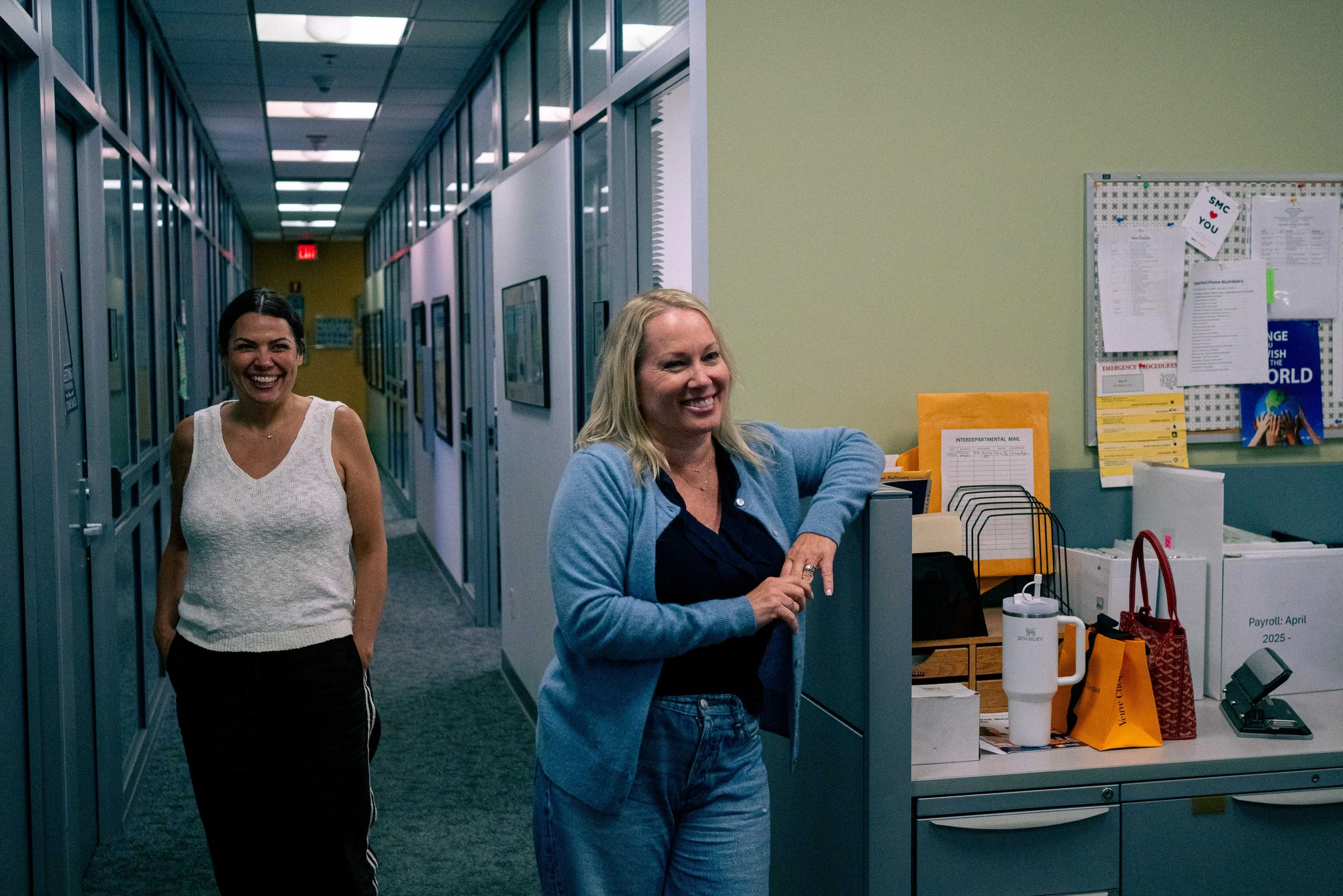
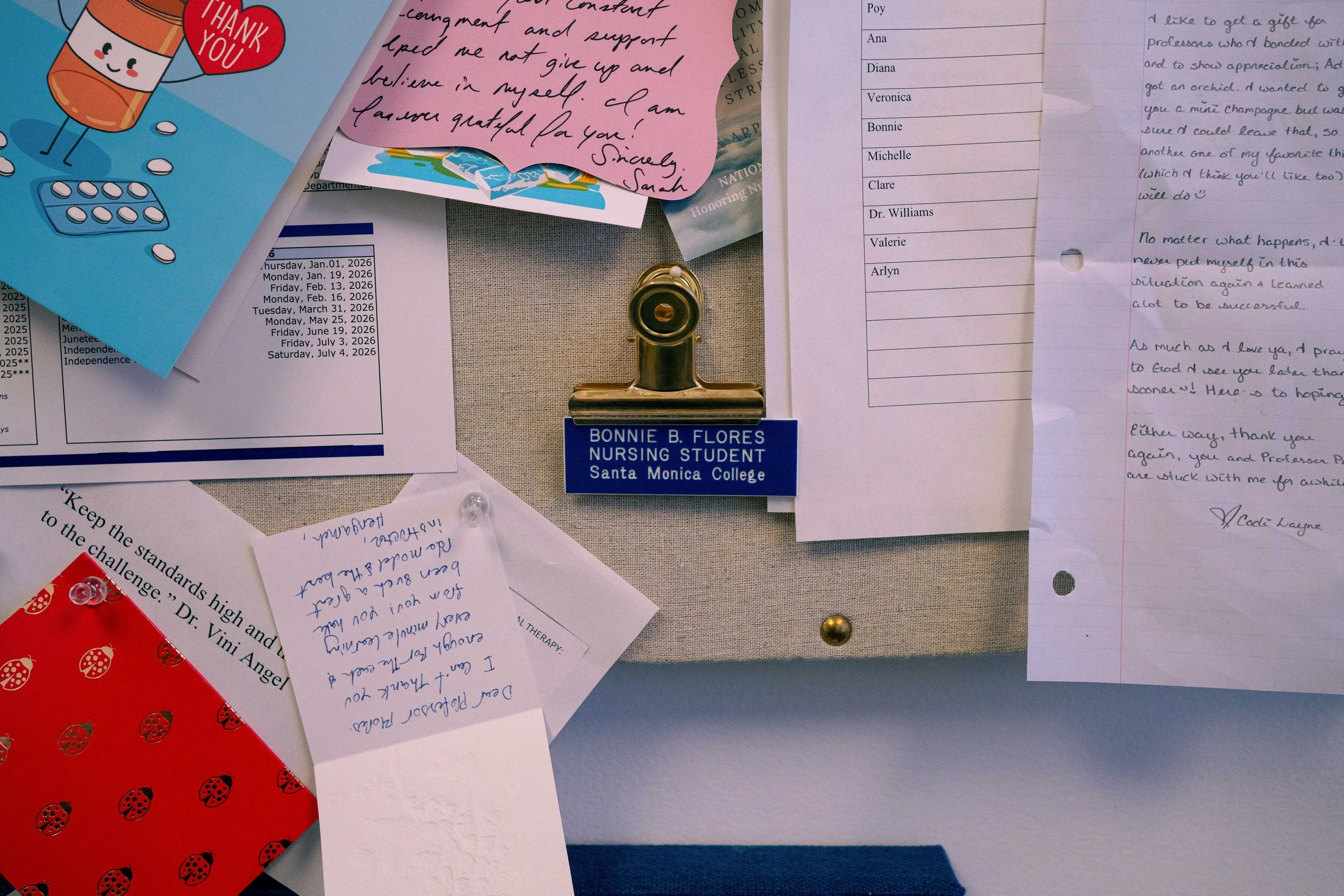
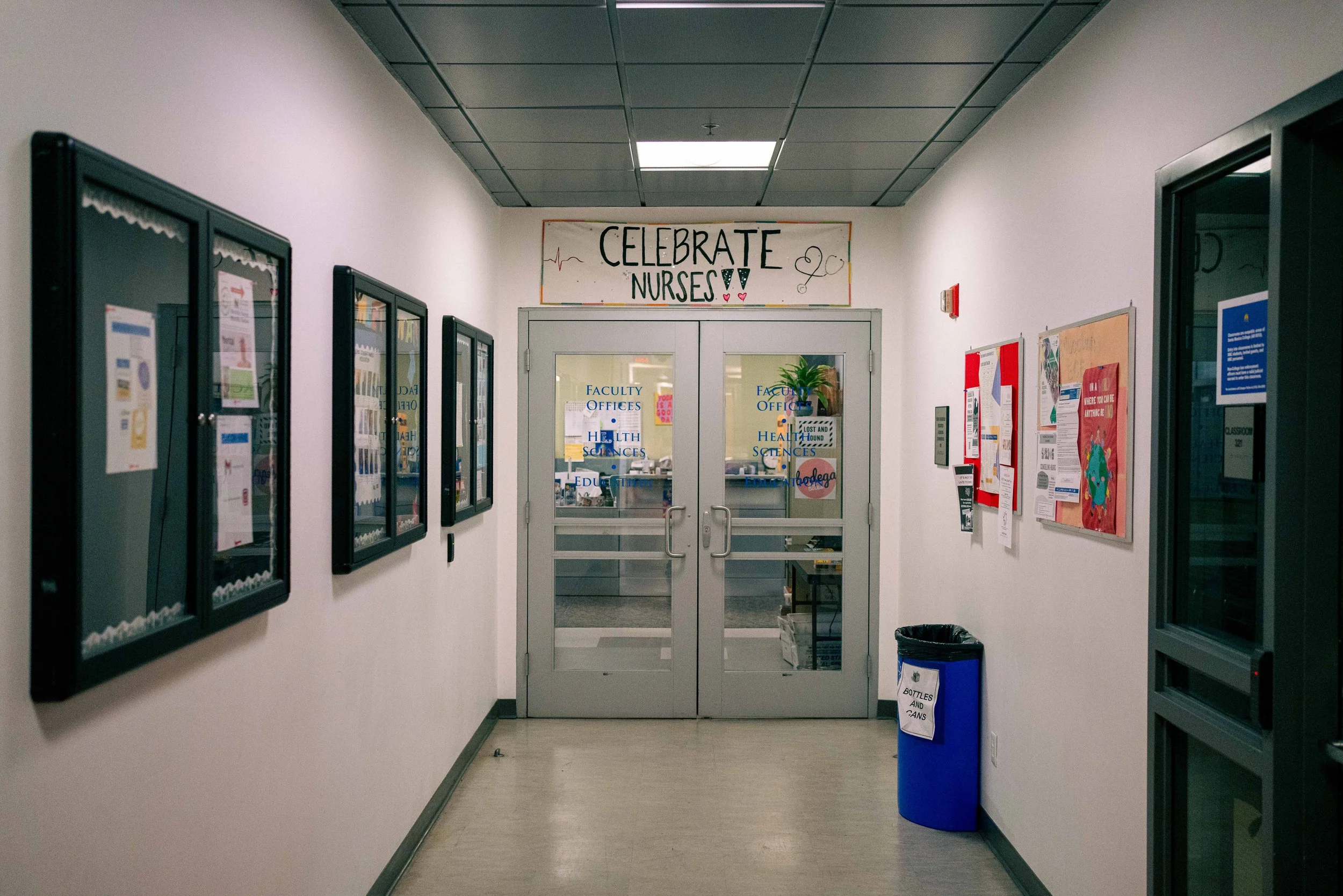
Professor Bonnie Flores, the assistant program director for Santa Monica College's nursing program and an intensive care nurse at Kaiser Permanente West Los Angeles, was confronted with death on a daily basis at the height of the pandemic.
Flores is no stranger to crises. When the United States was ravaged by COVID-19, it was frontline workers like her who kept the wheels of our society in motion.
Then came January 2025. Her life — and the lives of tens of thousands of Los Angeles County residents — was completely upended when two massive wildfires tore through Malibu, Pacific Palisades, Altadena, and surrounding areas. The fires displaced hundreds of thousands of people and destroyed an estimated 16,000 homes and businesses.
According to law enforcement, the Pacific Palisades Fire was the result of a "holdover fire"—a phenomenon in which flames continue to smolder underground in a root system long after the surface blaze appears to be out. It first originated from the Lachman Fire, which broke out in the early morning hours of Jan. 1, 2025, as a small 8-acre brushfire before becoming fully contained.
“The Jan. 7 fire was not a rekindle or due to failed suppression, but the reactivation of an undetectable holdover fire under extraordinary wind conditions,” Ronnie Villanueva, LAFD interim Fire Chief said.
For Flores, the loss went far beyond the structure itself. “We lived in that house for 23 years,” she said. “We brought both of our kids home from the hospital to that house, and we raised them there. It's actually the longest I've ever lived anywhere in my life. That felt like my first real home,” she said.
The previous year leading up to the fire was full of its own personal hardships for Flores, too. Both of her dogs had passed away — one of whom died on her birthday — followed by the death of her mother, whose belongings Flores had just moved to their home in Las Flores Canyon. Nothing survived. “I don’t have any of her jewelry,” she said, continuing moments later with a more sarcastic tone: “We had planned to scatter their [the dogs’] ashes.” She paused for a moment, smiling, “Well, they’re scattered… probably at the dump now!”
“I mean, I was never not functioning; I'm a high-functioning person,” she said. “I woke up the next day making all the phone calls to get everything organized. I wasn’t hiding in a corner.”
Cathy Morrison, a financial consultant and longtime neighbor and friend of Flores, whose home was also destroyed in the fire, is driven by the same call to action. “Bonnie and I are cut from the same cloth,” she said. “Every day was a fight, whether it was insurance or finding a temporary home. It seemed like nothing came easily for us in this whole process.”
Everyone enters into these periods at different stages of grief. For both Morrison and Flores, jumping headfirst into action became the only outlet to cure their depression. “You just have to put yourself to work,” said Morrison. “I remember my kids kept saying, ‘Can you not do something related to the fire for just one day?’ And I said, ‘If I don't do this, nobody else will.’ It falls on me.”
Flores had never experienced true depression until after the fire. “I have had things that have made me sad, of course,” said Flores. “But this was the first time in my life I’ve actually been depressed…When the house burned, I saw it on the news and cried. I allowed myself about eight hours to grieve, and then I went to bed — didn’t sleep — and just thought, ‘Okay, what do I need to do?’ I started planning: call the insurance company, call the bank. I started making a list.”
The first task at hand was finding a new place to live. For about a week, the family stayed at an Airbnb in Marina del Rey, a coastal neighborhood south of Malibu. Eventually, they secured a fully furnished house in Calabasas, and although it’s safe and comfortable, the space still feels sparse. “I’ve never moved into a place with so few belongings — even when I went to college, I had more stuff,” she said.
To cope with the depression, she discovered that staying active — whether it was going to the grocery store one day or attending a Pilates class the next — was what carried her through. “I realized I have to do something every single day to get out of the house," she said. "I had to force myself into a routine; otherwise, I'd just wallow in misery."
"She… goes into hyperdrive until she gets stuff done, day in and day out," said Morrison. "She's got more fire and gumption than anyone—that's what I love about her. Whatever she does, she gives 110%."
Long before she ever stepped foot into an ICU or envisioned a career in academia, she spent her formative years channeling all of her energy towards an aspiring career in the entertainment industry, regularly booking commercials and voiceover gigs in Hollywood. It began to take its toll, though, and by the time she was in her 30s, the stifling demands from auditions had become too stressful to manage. Her life had fully coalesced around the natural trappings of family life: She married her husband, Chris, became pregnant with their two daughters, and by 2002, they had moved into their comfortable, Spanish-style home near the cliff’s edge in Las Flores Canyon, just outside the city limits in unincorporated Malibu.
Flores had fully embraced her role as a stay-at-home mom during this period, boasting about the multitude of things that collectively turned her house into a home. “We had something like 40 fruit trees on our back hill, and I’d buy organic food and make baby food,” she recalled fondly. “I really dove into being a mom.”
Around the time her daughters started preschool, Flores realized she was going to need to forge her own identity. “I can’t live just for my kids ‘cause they’re going to move out some day,” she said.
As she reflected on her future, she tried to hone in on a profession that would allow her the flexibility to be present for her kids. After some deliberation, she decided on nursing, a decision that felt somewhat natural to her considering she comes from a long line of nurses: aunts, cousins, and even her own mother. “I always wanted to do it anyway,” she said.
Due to its proximity to her home in Malibu, SMC became Flores' next step into her new career. She completed all of her prerequisites and received her associate degree in 2013. During this time, toward the completion of her nursing program, she began working at Kaiser Permanente West LA.
“Hospitals value hiring older, second-career nurses because we understand the art of dealing with people," said Teresa Poy, a professor in the Health Sciences Department at SMC and longtime friend whose own non-traditional path mirrors Flores’.
“In the ICU, patients are either going to pull through or they're going to pass away,” Poy continued. “When a patient is critically ill and sedated, you might have twenty anxious family members calling every day… and managing that is a delicate dance. Bonnie is exceptionally skilled at navigating that."
Flores often reminds her students that patients are not just diagnoses; rather, "they are a person with a whole life and [have] all these people who love them, and you need to take the best care of them to get them back to being healthy."
From the beginning, instructors in Flores' nursing program at SMC suggested she go into teaching, largely because she was an older student with more life experience. Once she'd gained enough clinical training, Flores officially began as a part-time clinical instructor at SMC in 2017. By 2020, at the height of COVID, she was teaching full-time while working toward her doctorate and juggling two clinical jobs: one at UCLA Health and another at Kaiser West LA. The following summer, she accepted a permanent, full-time faculty position at SMC.
Between March 2020 and November 2021, California recorded 24,799 confirmed COVID-19-related deaths among working-age adults between 18 and 65. In just the first three months of the pandemic, Los Angeles County alone reported over 72,000 COVID-19 cases, resulting in roughly 2,800 deaths.
“Am I gonna die?” she recalls herself asking. “Death was all we saw. I will never forget their faces. We had a pregnant patient where we had to perform an emergency C-section to save the baby because she was dying. It was a complete horror show,” she said.
To compound the existing stress, Flores regularly worked anywhere from 12 to 20 hours a day at the hospital, often going to a hotel after her shifts to avoid physical contact with family and friends. According to her, there simply weren't enough nurses to handle the massive influx of ICU patients, so tacking on an extra eight hours to a standard twelve-hour shift was commonplace — otherwise, she noted, there wouldn't be anyone to take care of all the patients.
“If you weren't there during the pandemic,” she said in a semi-serious tone, “You can't even imagine how bad it was.”
As an ICU nurse, her mission is simple: critical care nurses deal specifically with human responses to life-threatening problems, according to the definition provided by the American Association of Critical Care Nurse. Critical care is something Flores has been passionate about since she first began her journey to become a nurse, starting as a student in the nursing program at SMC back in 2009.
This same principle applied to her work as well. “I didn't call out sick, and I didn't miss a day,” she said. “I showed up because my purpose is to help [my students] become great nurses.”
Her reintroduction to the classroom came only six weeks after the fires took everything she owned. “All the students knew my house burned,” she recalled. “Yes, my house burned,” she remembers telling the class. “If you see tags on my clothes, please tell me so I can take them off. Everything is new.”
Professor Poy fondly recalled Flores' work ethic, drawing back to the strength the two of them summoned together in 2020. “It's just like during the pandemic,” said Poy. “Did we want to show up to the ICU during COVID? No, but there weren't enough nurses. There was nobody else to do it.”
Today, Flores is doing everything in her power — with the dutiful help of her husband, Chris, and their friend Cathy Morrison — to get their home rebuilt.. According to Flores, the rebuilding process has been slowed by a tedious series of bureaucratic hurdles: severe backlogs with EPIC-LA, Los Angeles County's centralized online portal for planning and public works permits; persistent pushback from the LA County Geology Department; tiring back-and-forths with the LA County Supervisor's Office; and a lowball appraisal from the California FAIR Plan, a state-mandated syndicated fire insurance pool.
Because of these obstacles, many people are simply choosing not to rebuild at all. Neighbors who lived in the area for decades have opted out, unwilling to face a tedious, years-long process — choosing instead to leave the city or state altogether. Fortunately for Flores and her family, after waiting for more than a year, they were finally approved to begin rebuilding this past April.
What Flores hopes to rebuild goes beyond the structural foundation of the house her family lost, though that remains an obvious priority. It’s the community that disintegrated in the fires' wake. “We'd have block parties on that street from the time our kids were babies,” she recalled. “Because it's a cul-de-sac, we'd block off the street, get a bouncy house, and have big parties for every single holiday. All of those people are gone.”
Flores hopes to have the rebuild completed by February 2027, a little over two years after the fire first broke out. Asked what she’s most looking forward to once the rebuild is done, she said: “I guess I’ll just feel like I’m finally home again.”